• How Mental Health Nonprofits Are Using Strategic Marketing to Increase Impact in 2026

    How Mental Health Nonprofits Are Using Strategic Marketing to Increase Impact in 2026

    Mental health nonprofits operate at one of the most critical intersections of care, trust and urgency. In 2026 demand for mental health services continues to rise while funding pressure, staffing shortages and burnout place increasing strain on nonprofit organizations. At the same time expectations around visibility transparency and accountability are higher than ever.

    Through ongoing work with mental health focused nonprofit organizations a clear pattern has emerged. When marketing strategy brand positioning and agency support are aligned intentionally nonprofits create more capacity to focus on care community and mission impact.

    The Marketing Challenges Facing Mental Health Nonprofits

    Marketing for mental health organizations carries unique responsibility. Messaging must be accurate, compassionate and stigma reducing while also driving awareness funding and engagement. Many nonprofit leaders hesitate to prioritize marketing fearing it may feel transactional or distract from the mission.

    However inconsistent or reactive nonprofit marketing often leads to the opposite outcome. Without a clear strategy organizations struggle with low visibility donor confusion and underperforming fundraising campaigns. Internal teams are then forced to manage marketing alongside emotionally demanding service delivery roles.

    In 2026 successful mental health nonprofit marketing is not optional outreach. It is mission critical infrastructure.

    Brand Positioning Builds Trust and Psychological Safety

    Strong brand positioning is one of the most powerful tools mental health nonprofits can invest in. Brand positioning is not about polish or corporate identity. It is about clarity, consistency and trust.

    Effective mental health nonprofit brands clearly communicate who they serve, how they support mental wellbeing and what outcomes they create. Consistent language tone and visual identity help reduce stigma, build credibility and create a sense of safety for donors, partners and service users alike.

    Clear brand positioning also reduces internal strain. Staff no longer need to constantly re-explain the mission or adjust messaging. This creates alignment and emotional sustainability within teams.

    Marketing Systems Create Capacity Not Pressure

    One of the most important shifts we see among high impact mental health nonprofits is the move from task based marketing to systems based marketing. Instead of reacting to campaign deadlines or funding needs these organizations build repeatable marketing systems.

    This includes defined messaging frameworks, content planning cycles, donor communication journeys and education focused outreach strategies. Systemized marketing reduces decision fatigue and allows teams to operate with clarity rather than urgency.

    For mental health nonprofits where emotional energy is a limited resource this shift is essential.

    Why Agency Support Helps Mental Health Nonprofits Scale Sustainably

    Mental health nonprofits that grow sustainably in 2026 rarely do so alone. They intentionally use marketing agencies as an extension of their internal team.

    Agency partners handle strategy development content creation, digital marketing performance tracking and optimization. This allows nonprofit staff to remain focused on service delivery program development and community care.

    Hiring an agency does not reduce control. It increases capacity. Nonprofits gain access to specialized expertise without the cost or management burden of expanding internal teams. Resources are used more efficiently and marketing outcomes improve.

    Reducing Burnout While Increasing Mission Impact

    Burnout is one of the most serious challenges facing mental health nonprofit teams. When staff are responsible for both emotional labor and operational execution sustainability becomes impossible.

    Strategic marketing support protects people. By removing marketing execution pressure from internal teams, nonprofits create space for empathy, reflection and care. This is not a luxury. It is essential to long term mission success.

    Organizations that invest in support systems for their teams are better positioned to support their communities.

    What This Means for Mental Health Nonprofits in 2026

    A clear pattern is emerging across the social impact sector. Mental health nonprofits that invest in strategic marketing, clear brand positioning and trusted agency partnerships are not becoming more commercial. They are becoming more resilient.

    • They reach the right audiences with the right message
    • They build stronger donor and partner trust
    • They retain and protect their internal teams
    • They scale impact without sacrificing care

    Marketing when done intentionally supports the mission rather than competing with it.

    In 2026 the most effective mental health nonprofit organizations understand that capacity is part of care. By building the right systems and partnerships they create more room to serve the people who need them most.

  • The Top 10 Things Social Impact and Nonprofit Organizations Should Not Do in 2026

    The Top 10 Things Social Impact and Nonprofit Organizations Should Not Do in 2026

    In 2026 social impact organizations and nonprofit organizations face increasing pressure to demonstrate transparency, measurable outcomes and sustainable growth. Donors, partners, funders and communities expect more clarity, more consistency and more accountability than ever before.

    While many nonprofits focus on what they should be doing it is just as important to understand what they should stop doing. Avoiding the following mistakes can save time, protect resources and significantly increase long term impact.

    This guide outlines the top 10 things nonprofit and social impact organizations should not do in 2026 and what to do instead.

    1 Do Not Treat Marketing as an Afterthought

    Marketing is no longer optional for nonprofit organizations. Treating marketing as something to do only when time allows leads to inconsistent messaging, low visibility and missed funding opportunities.

    In 2026 nonprofit marketing must be strategic and aligned with organizational goals. Without a clear marketing strategy even the strongest missions struggle to reach the right audiences.

    2 Do Not Try to Do Everything In House

    Limited teams attempting to manage strategy content social media email fundraising and digital advertising internally often experience burnout and underperformance.

    Trying to do everything in house costs more in lost time and inefficiency than partnering with external experts. Nonprofits that succeed in 2026 understand when to extend their team through trusted partners.

    3 Do Not Ignore Data and Performance Metrics

    Decisions based on assumptions rather than data can drain budgets quickly. Nonprofit organizations should not rely on vanity metrics or gut feeling alone.

    Tracking engagement conversion donor retention and campaign performance allows organizations to focus resources where they have the greatest impact.

    4 Do Not Lead With Generic Messaging

    Vague mission statements and broad messaging no longer resonate. Donors and supporters want clarity on who you help, how you help and the outcomes achieved.

    Nonprofits in 2026 must move away from generic language and focus on specific impact driven storytelling that demonstrates real change.

    5 Do Not Overlook Digital Infrastructure

    Outdated websites, broken donation forms, slow load times and poor mobile experiences create friction and reduce trust.

    Your digital presence is often the first interaction someone has with your organization. Neglecting digital infrastructure directly impacts donations, volunteer sign ups and credibility.

    6 Do Not Underestimate Donor Experience

    Acquiring new donors is more expensive than retaining existing ones. Poor follow up, unclear communication and lack of appreciation lead to donor fatigue.

    Nonprofits should not focus solely on acquisition. Strong donor journeys, clear updates and meaningful engagement drive long term sustainability.

    7 Do Not Rely Solely on One Funding Channel

    Organizations that depend heavily on a single funding source face greater risk during economic shifts.

    Diversifying fundraising strategies across digital campaigns grants partnerships and community engagement is essential for stability in 2026.

    8 Do Not Separate Marketing From Impact Reporting

    Marketing and impact reporting should work together not in silos. Promoting campaigns without showing outcomes weakens trust.

    Nonprofits should integrate impact data into marketing content showing supporters exactly how their contributions make a difference.

    9 Do Not Ignore Brand Consistency

    Inconsistent visuals, tone and messaging across platforms create confusion and reduce credibility.

    Strong nonprofit brands in 2026 maintain consistency across websites, social media email campaigns and fundraising materials to build recognition and trust.

    10 Do Not Wait to Ask for Help

    One of the biggest mistakes nonprofits make is waiting too long to seek external support. Delaying strategic help often leads to rushed decisions, missed opportunities and inefficient spending.

    Organizations that grow sustainably recognize early when they need expertise in marketing strategy, digital execution and audience engagement.

    Moving Forward in 2026

    Social impact organizations and nonprofit organizations operate in an increasingly complex environment. Avoiding these common pitfalls allows teams to protect their resources, amplify their mission and build stronger relationships with supporters.

    In 2026 success is not about doing more. It is about doing the right things intentionally, strategically and sustainably.

    If your nonprofit or social impact organization wants to strengthen visibility, improve donor engagement and avoid costly marketing mistakes we can help.

    Partner with a team that understands purpose driven organizations and knows how to turn limited resources into measurable impact.

  • Marketing in 2026: Promoting Doing Good Together

    Marketing in 2026: Promoting Doing Good Together

    In 2026 marketing is no longer just about selling products or services. It is about building movements, creating connections and inspiring collective good. Audiences want brands that do more than talk. They want brands that act uplift and give back.

    That is why purpose driven marketing and initiatives like Go Do Good Day are uniquely positioned to create meaningful impact both socially and commercially.

    What Purpose Driven Marketing Looks Like in 2026

    Purpose driven marketing where businesses align with social causes and community action is no longer a trend. It is an expectation. Consumers increasingly support brands that use their influence for good and in 2026 this shift is even more pronounced.

    Brands with clear social commitments build stronger trust and stand out in crowded markets when their messaging feels authentic and values led. ESG focused branding and community impact are becoming standard expectations rather than optional initiatives. At the same time human connection is more important than ever. Even with advanced AI and automation people are drawn to real stories, real people and real outcomes.

    Go Do Good Together A Blueprint for Shared Impact

    Go Do Good Together is built on the idea of collaboration over competition and collective action over individual gain. This philosophy aligns directly with how future focused marketers are planning campaigns in 2026.

    Building Campaigns Around Shared Values

    Purpose is not a tagline. It is the foundation of effective storytelling. Brands that lead with community impact social responsibility and shared values create deeper emotional connections with their audiences.

    Go Do Good Together supports nonprofits and purpose driven organizations by helping them tell stories that prioritize impact before attention. This approach ensures that marketing efforts feel meaningful rather than promotional.

    The key takeaway for marketers is simple. Use your platform to elevate causes not just products and invite your audience to be part of the solution.

    Anchoring Marketing to Meaningful Moments Like Go Do Good Day

    In 2026 awareness days and collective action moments play a critical role in marketing strategy. Events like Go Do Good Day give organizations a clear opportunity to mobilize their communities around shared purpose.

    Rather than treating these moments as one off posts, successful brands build campaigns that encourage participation, reflection and storytelling. This could include community challenges, volunteer spotlights or calls to action that invite people to share how they are contributing to positive change.

    Telling Stories That Inspire Action

    Purpose driven marketing thrives on storytelling that feels human and grounded. Instead of polished corporate messaging audiences respond to stories that reflect lived experiences and real impact.

    Featuring volunteers, nonprofit partners, beneficiaries and community leaders helps transform abstract missions into tangible outcomes. These stories build trust and encourage others to get involved.

    Effective formats in 2026 include short form video blog series social storytelling and user generated content that highlights moments of doing good together.

    Amplifying Impact Through Digital Channels

    Digital marketing remains one of the most powerful tools for scaling good. In 2026 the goal is not just reach but participation.

    Social media email and digital advertising should guide people toward meaningful actions such as volunteering, donating, attending events or sharing impact stories. Community hashtags and collaborative campaigns help unify voices and extend reach beyond a single organization.

    When digital strategy is aligned with purpose marketing becomes a catalyst for collective impact.

    Why Doing Good Together Matters in 2026

    Marketing today is not just transactional. It is transformational. Brands and organizations that help communities do good together build deeper loyalty, stronger trust and long term relevance.

    Purpose driven marketing is no longer a good addition. It is a growth strategy that aligns business success with social progress.

    By embracing collaboration storytelling and shared action marketing in 2026 has the power to move people, unite communities and create lasting positive change together.

    ,
  • Marketing in 2026 How EdTech Brands Build Trust Adoption and Long Term Impact

    Marketing in 2026 How EdTech Brands Build Trust Adoption and Long Term Impact

    In 2026 education technology companies are no longer evaluated solely on features or innovation. Decision makers including schools, universities, training providers and education focused organizations are choosing platforms that demonstrate real learning outcomes, strong adoption and long term value. As competition within the EdTech market continues to grow, marketing strategies must evolve to focus on trust credibility and impact.

    Effective EdTech marketing in 2026 centers on outcome driven messaging. Buyers want to understand how an EdTech platform improves student engagement, supports educators, enhances accessibility and delivers measurable learning results. Product led marketing alone is no longer enough. High performing EdTech brands clearly communicate learning outcomes, evidence based results and real world use cases aligned with institutional goals.

    Trust has become one of the most important drivers of growth for EdTech companies. Institutions are making long term investments that affect learners, educators, data infrastructure and compliance requirements. EdTech marketing must clearly address data privacy, student safety accessibility standards and regulatory compliance. Transparent communication around pricing onboarding timelines and platform capabilities reduces friction in the sales process and builds confidence with education buyers.

    Personalization remains a key differentiator in education technology marketing but in 2026 it must be positioned responsibly. EdTech companies need to explain how adaptive learning tools support diverse learning styles while maintaining ethical data usage and educator oversight. Messaging should highlight how personalization enhances learning outcomes without compromising privacy or control.

    Community led growth is playing an increasingly important role in EdTech marketing strategies. Educators and administrators trust peer recommendations more than promotional advertising. Successful EdTech brands leverage educator testimonials, case studies, professional learning communities webinars and practitioner led content to demonstrate credibility and adoption at scale. When educators become advocates, marketing becomes more authentic and sustainable.

    Content marketing continues to be one of the most powerful channels for EdTech growth. Blogs white papers, research reports, videos and guides should educate and empower education buyers rather than simply push conversion. High performing EdTech content focuses on instructional design best practices, digital learning trends, change management strategies and the future of education technology. This approach positions brands as trusted partners rather than software vendors.

    For EdTech companies marketing in 2026 is no longer about shouting louder in a crowded market. It is about clarity, trust and alignment with the real needs of educators, institutions and learners. Brands that lead with transparency value driven messaging and measurable impact will build stronger relationships and long term growth.

    If you are an EdTech company looking to strengthen your marketing strategy, increase adoption and position your brand for long term growth we can help. Our team specializes in EdTech marketing strategy content development lead generation and brand positioning designed to support education focused organizations.

  • Why Hiring a Marketing Agency Is the Smartest Move for Nonprofits in 2026

    Why Hiring a Marketing Agency Is the Smartest Move for Nonprofits in 2026

    Nonprofits in 2026 are being asked to do more with less. Funding is increasingly competitive, teams are lean and expectations around transparency impact reporting and digital presence continue to rise. At the same time marketing is no longer optional. It is essential for fundraising volunteer recruitment, donor engagement and long term sustainability.

    Most nonprofit organizations operate with limited resources and small teams. Staff members often wear multiple hats managing programs, fundraising communications and operations at the same time. Marketing is frequently added to already full workloads which can lead to inconsistent messaging outdated digital assets and underperforming campaigns. In a digital first environment this creates real risk for nonprofit growth and donor trust.

    Hiring a marketing agency allows nonprofits to extend their internal capacity without increasing headcount. Instead of trying to recruit and manage multiple specialists an agency provides access to a full marketing team including strategy content design advertising analytics and technical support. This model allows nonprofits to scale marketing efforts while keeping costs predictable and manageable.

    One of the biggest benefits of working with an agency is time savings. Internal teams no longer need to manage campaigns, coordinate vendors or troubleshoot platforms. Agencies take ownership of planning execution and optimization using proven systems and workflows. This frees nonprofit staff to focus on mission delivery, donor relationships partnerships and community impact rather than marketing administration.

    Partnering with an agency also delivers significant cost efficiency. Hiring even one full time marketing professional can be more expensive than working with an agency and still does not cover all required skills. Agencies eliminate recruitment training and turnover costs while providing expertise exactly when it is needed. They also reduce wasted spend by applying data driven strategies and best practices from the start.

    Marketing agencies bring strategic focus and external perspective that internal teams often lack the time to develop. By analyzing performance data, audience behavior and campaign results agencies help nonprofits move from reactive marketing to proactive growth. Clear storytelling, consistent messaging and stronger engagement lead to better fundraising outcomes and increased visibility.

    In 2026 successful nonprofit organizations are those that recognize they do not have to do everything alone. Treating a marketing agency as an extension of the team allows nonprofits to use their resources more effectively, strengthen their presence and amplify their mission without stretching internal teams too thin.

    If your nonprofit is ready to increase visibility, strengthen donor engagement and grow sustainably without overloading your internal team we are here to help.

    Partner with a marketing agency that understands purpose driven organizations and knows how to maximize impact with limited resources.

    ,
  • Go Do Good (formerly Sulzer) wins an American Advertising Federation Addy Award and the prestigious Mosaic Award for their integrated creative campaign for their nonprofit client, RCMA’s.

    Go Do Good (formerly Sulzer) wins an American Advertising Federation Addy Award and the prestigious Mosaic Award for their integrated creative campaign for their nonprofit client, RCMA’s.

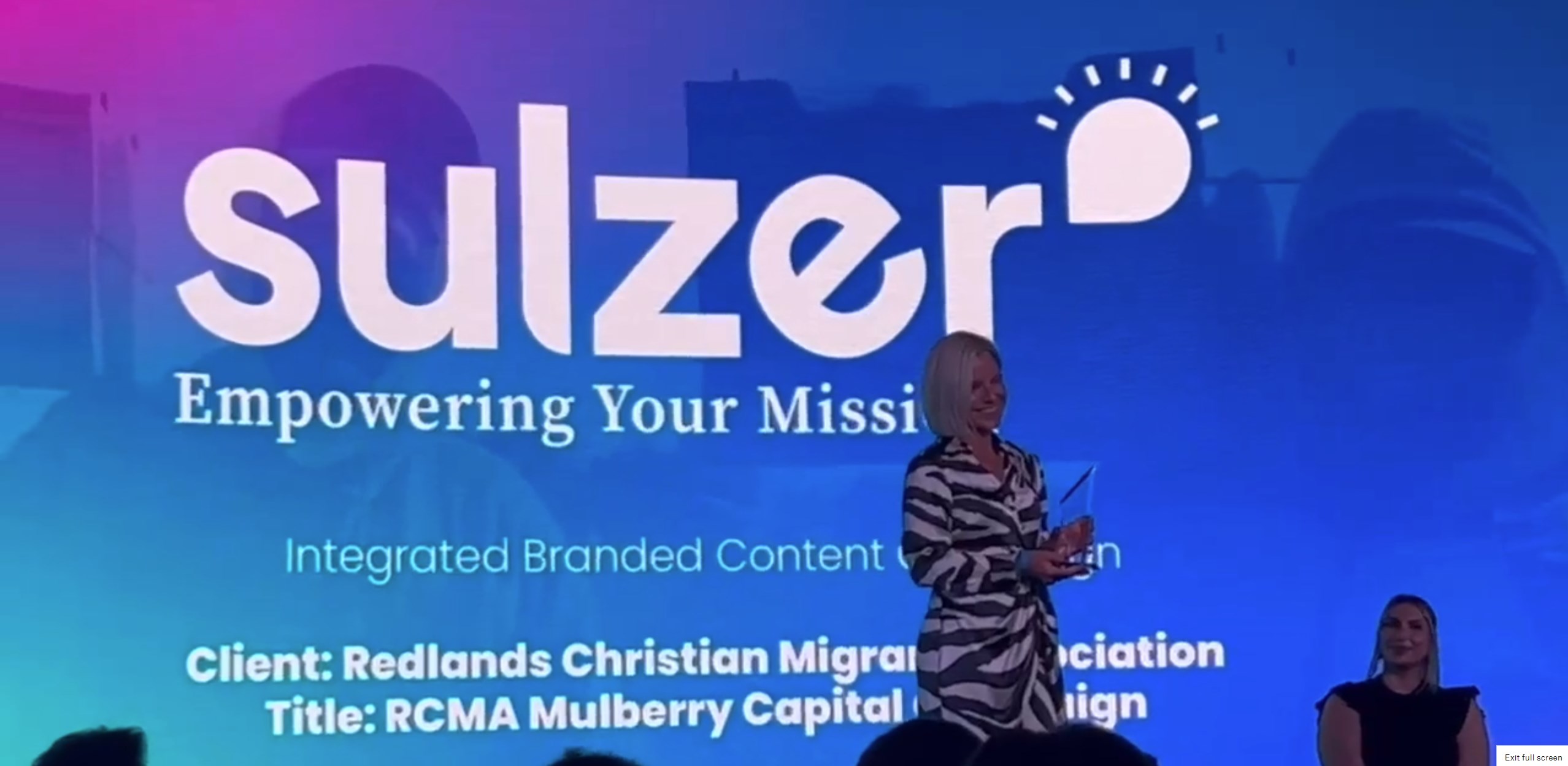
    GO DO GOOD’s successful, integrated, and branded content campaign helped the agency take home the 2024 Mosaic ADDY Award and Silver Award.

    Tampa, FL: The American Advertising Federation (AAF) awarded Go Do Good the 2024 Mosaic ADDY Award and the local Silver ADDY Award for the agency’s consistent and effective work on the Redlands Christian Migrant Association (RCMA) Mulberry Capital Campaign. The Mosaic Award is reserved for agencies and individuals whose work and results reflect a commitment to diversity, equity, and inclusion.

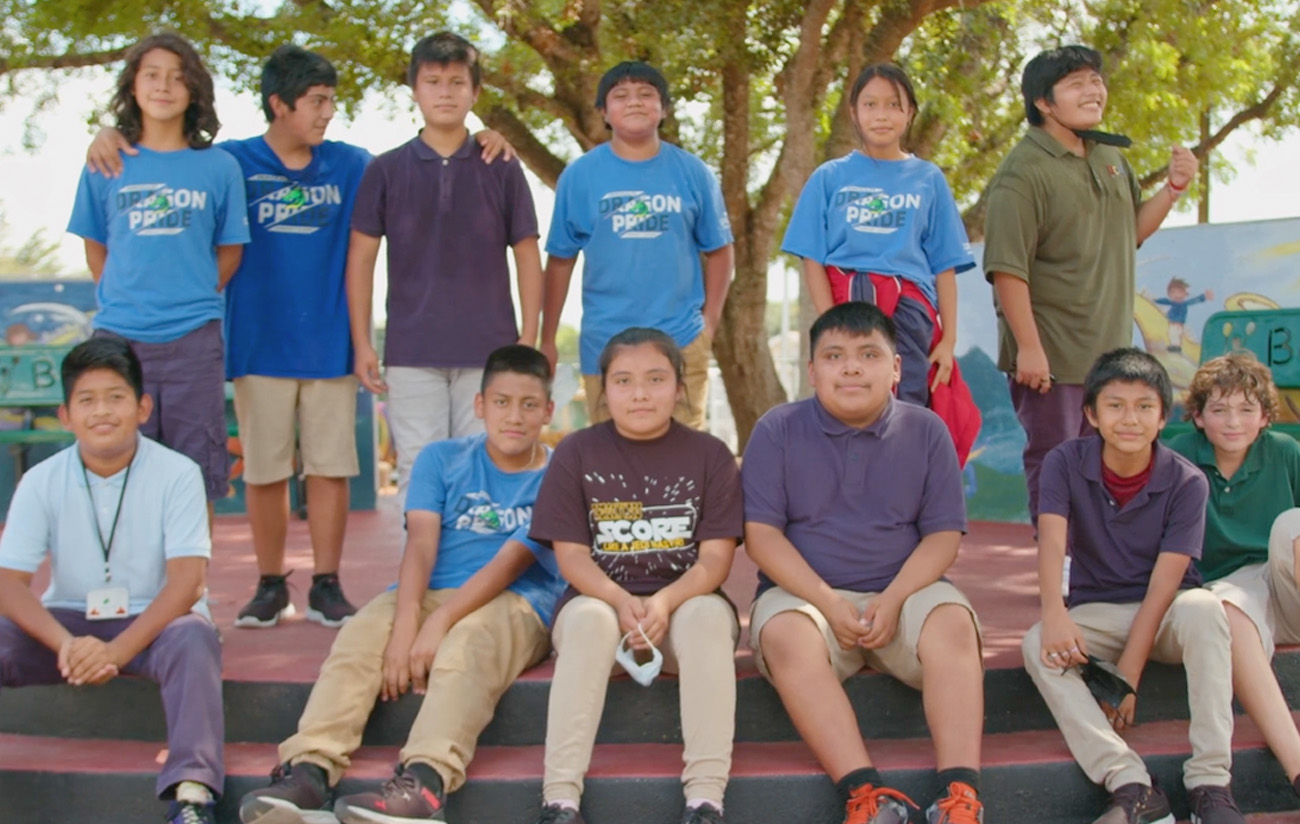
    RCMA is a Florida-based nonprofit dedicated to helping more than 4,600 children within the Sunshine State’s most vulnerable communities. Donating to RCMA directly funds quality care, education, and resources for children of migrant working and low-income families. Despite its incredible good works, RCMA grappled with a fragmented brand identity, an in-cohesive design and color scheme, and usability challenges within its digital presence. 

    The creative and strategic teams at Go Do Good leveraged potential donors’ core motivations and concerns to craft strategic branding, design, outreach campaigns, and a new online presence that resonated on a personal level with potential donors. Every step of the way, Go Do Good worked closely with RCMA to produce compelling narratives while highlighting the powerful stories of the children RCMA supports.

    Go Do Good won the awards for the results it obtained for RCMA and their community. Since the partnership began, RCMA has experienced a 33.5% increase in social page likes, seven new branding campaigns successfully launched, and a 38.1% increase in EOY net assets from 2019 to 2022.

    To learn more about the good work Go Do Good does to help nonprofits achieve their goals, follow the creative agency on LinkedIn, Instagram, Vimeo, and Facebook.

    About Go Do Good: Go Do Good is a creative agency that empowers nonprofits and purpose-driven organizations to create positive impacts. Humbly located at the heart of change, Go Do Good unites its clients’ passions and good works with strategic expertise to amplify missions, reach target audiences, engage interested parties, and effectively facilitate new growth for nonprofit and purpose driven organizations. With Go Do Good, nonprofits reach their audiences in a way that resonates and moves people to evolve from curious bystanders to active and engaged supporters.

    We are so honored to have won these awards, and the continued opportunity to work with RCMA to empower their mission. Our collaboration created a landscape in which we could strategically reshape RCMA’s brand and digital presence, resulting in a stunning uplift in engagement and enrollment. The achievement was an affirmation in the power of targeted branding and digital strategies to enhance community visibility and impact, but the deeper meaning behind the work was that RCMA is now able to get its message out there in ways it never had before. We couldn’t be happier to have been a part of that.

    Michelle Sulzer
    Founder + Chief Creative Officer
    ,
  • Staying “Trendy” while marketing the goods! Why advertising is growth & revenue focused

    Staying “Trendy” while marketing the goods! Why advertising is growth & revenue focused

    In today’s marketing world, prospecting clients are looking for an agency that can provide them with growth and revenue. Which is what everyone is looking for, right? To find an agency that can speak the language of their brand. For an agency to stand out amongst the crowd, prospectors are looking for marketing tactics that will transfer to growth and revenue. Because at the end of the day, it’s about selling more to the consumers, and growing your company.

    As we take a look back at technology and digital marketing, there has been an extremely large growth in the transitioning of these changes. Did you know that the most popular devices used to browse the web are mobile phones?

    “More Google searches take place on mobile devices than on computers in 10 countries including the U.S. and Japan” (Google, 2015).

    So, what do we do with this information? And how do we drive leads that transition into revenue for the client? I’ll tell you how, by providing the prospecting client with revenue-focused marketing. Revenue-focused marketing takes all of the marketing strategies of the business into consideration. It is data-driven that focuses on marketing analytics and reports that assist the agency in campaigns that drive revenue, ie. social media and digital ads. Some strategies may require revisions and constant supervision in order to adjust and compete with the leaders in the industry. But hey, it’s been proven to drive leads, and this is what we want!

    Improving your companies SEO and increasing the amount of traffic to the website via organic searches, has proven to also be effective when constructing your website to be appealing to search engines. Search engine algorithms are constantly changing, and the agency you chose should be an expert in the SEO tactics that will speak to marketing your brand.

    “Google gets over 100 billion searches a month” (Mashable, 2015).

    Although these revenue-focused marketing tactics are proven to be effective in growth and revenue, agencies are expected to be creative and inventive in marketing the brand. We can’t forget about those tactics! The quality of work the agency provides, understanding the businesses culture, and sticking to the budget are not to be forgotten. So, when you’re ready to find that perfect agency, do your research, and find the agency that’s right for you!

    ,
  • Creating Engaging Social Media Campaigns for Causes That Matter

    Creating Engaging Social Media Campaigns for Causes That Matter

    Nonprofits should leverage social media to connect with audiences and boost community engagement.

    Crafting social media campaigns that resonate with audiences and drive support for nonprofits is both a technical skill and an art. To stand out in a crowd, nonprofits must create unique, original, and interesting content.

    Why Should Nonprofits Create Engaging Social Media Content?

    Engaging social media content can help nonprofits perform critical functions like:

    • Raise funds
    • Recruit donors and volunteers
    • Increase awareness of their cause
    • Build a community around the nonprofit’s mission
    • Communicate important information to many people quickly

    Examples of Successful Nonprofit Campaigns on Social Media

    In 2022, Hurricane Ian struck the southeastern United States, the deadliest hurricane to hit Florida since 1935. The American Red Cross leaped into action to help those affected, and they launched one of the most effective nonprofit campaigns on social media to raise funds for their work.

    The campaign focused on the good, primarily by showing videos of those affected by the hurricane telling their stories. Videos showed hurricane survivors talking about how they had been taken care of by the Red Cross, how they received meals every day, and how the volunteers even took the time to play with children affected by the hurricane.

    The campaign was highly effective because it connected the nonprofit’s target audience (the people watching the videos) to the hurricane victims and how the Red Cross helped those victims recover from the storm of a lifetime.

    What Does it Mean to Create Cause-Driven Content?

    Cause-driven content is defined as content that immediately connects the viewer to the nonprofit’s cause. An excellent example of cause-driven content can be found in a social media campaign launched by Save the Children.

    In this campaign, rather than quoting statistics on the number of children suffering worldwide, Save the Children narrowed in on a handful of children and profiled their experiences before and after being contacted and helped by the nonprofit. 

    The social media campaign was effective because it clearly showed viewers the pain these children were experiencing daily, which emotionally connected viewers to the cause. The campaign also showed viewers how Save the Children was helping make a difference in the children’s lives, which inspired viewers to donate to the cause.

    Sulzer Inc. Has the Tools to Help Nonprofits Drive Community Engagement

    Historically, nonprofits have used in-person events to encourage engagement and persuade communities to donate and volunteer. But in the 21st century, community engagement means more than hosting events, workshops, and volunteer beach cleanups. Today, community engagement almost always begins online. 

    Sulzer Inc. helps nonprofits grow their brand and increase their visibility online and beyond. The result? Significant brand elevation, new supporters, donation increases, audience growth, and more support from the community. Contact Sulzer Inc today to get started.

    , ,
  • Digital Marketing Strategies for Nonprofits on a Budget

    Digital Marketing Strategies for Nonprofits on a Budget

    Nonprofits can find unique and creative ways to promote their good works to the public, no matter their budget.

    Digital marketing comes in all shapes and sizes and at all price points. Some aspects of digital marketing, like Google’s Pay-Per-Click ad feature, are as effective and helpful as one is willing to spend money on them. However, some digital marketing techniques can produce incredible results with little financial cost.

    Nonprofit Digital Marketing

    Nonprofit digital marketing is essential for nonprofits to stand out, inform the community of their good works, and earn support through donations and volunteer hours. But as the internet becomes increasingly competitive, nonprofits must get creative in securing visibility.

    The Importance of Online Visibility

    Achieving online visibility can seem challenging at first. Google reported 1.13 billion online websites, with as many as 50 billion individual website pages.

    Google also recorded about 1.48 million 501(c)(3) nonprofits in the United States. The competition for the coveted attention of online audiences is high, and garnering online visibility has never been more important for nonprofits. No online visibility means no attention from an audience, which in turn means no support, donations, or volunteer sign-ups.

    Five Budget-Friendly Strategies for Branding a Nonprofit

    The internet is now the primary location where nonprofits showcase their work. That can take many forms, from a well-designed website to an interactive app, email newsletter, digital ad campaign, and social media posts. Some digital marketing tools can be expensive, but budget-friendly strategies for promoting a nonprofit exist, including tools and strategies like:

    • Asking for reviews and testimonials. Social proof is everything in the online world, and it costs nothing to ask someone who has worked for, volunteered with, or been helped by a nonprofit to leave a review or write a testimonial.
    • Opting for email campaigns over print mailers. Email templates are endlessly customizable, and for a small monthly subscription to an email hosting service, one can send emails to thousands of subscribers for a fraction of the cost of using print mail.
    • Posting often, but being intentional about it. It costs nothing to create social media profiles, and it’s free to post. Nonprofits should build an online presence via frequent social media posts, but they should be intentional about it and only create unique, original, and interesting content.
    • Encouraging online engagement. Every time a nonprofit posts on social media, they should encourage engagement by asking followers to like, comment, and share.
    • Writing a blog and posting it on social media and in emails. Websites with frequently added blog posts rank higher on Google and become more interesting and relevant to the nonprofit’s audience. One should write a weekly blog post and include it in the newsletter. Mentioning the blog in social media posts is also a good idea.

    Sulzer Inc. Creates Cost-Effective Digital Tactics in Nonprofit Marketing

    Nonprofits focus most of their available funds on their mission and purpose, so it’s not uncommon for such organizations to hit budget constraints when it comes time to market and brand the organization’s activities and good works. Thankfully, Sulzer Inc. can offer cost-effective digital tactics for nonprofits.
    Sulzer’s mission is to help nonprofits by tapping into the passion and drive that fuels them while simultaneously leveraging time-tested, strategic experience to publicize the supreme goodness of nonprofits for all to see. Nonprofits who work with Sulzer observe significant brand elevation, a rush of new supporters, regular donation increases, record audience growth, and higher engagement. Contact Sulzer Inc today to get started.

    , ,
  • Food For Thought – measuring success

    Food For Thought – measuring success

    Gauging campaign success is part of every great marketers toolkit. However, determining what and how to measure can look a lot differently depending on who you’re talking to, what vertical they’re communicating to, who their target audience is and what they’re trying to accomplish. If you don’t fall into this bucket, there’s no time like the present to get started. 

    When determining how to allocate your marketing budget, it’s a whole lot easier when you have measured past campaigns and spend against predefined metrics. If not, you can back into metrics by first building out the classic OGST(M) framework.

    • O – Objectives
    • G – Goals
    • S – Strategies
    • T – Tactics
    • M – Metrics

    Think first about what your high-level Objectives are. Write them down. These Objectives are in turn supported by Goals. What Goals are set that support your Objectives? Write them down. After setting Goals, you can begin to list out all Strategies that you will implement to help you reach your Goals. Write them down. 

    Now, here’s where a lot of marketers actually begin: Tactics. Tactics are really meant to support Strategies, which in turn support Goals, which in turn support the overall Objectives of your organization. A tactic may be “post 3x per week on Facebook”. However, if deciding a Tactic based on “this is what we’ve always done”, or “this is what our competition is doing” is your methodology, you should pause long enough to determine what the tactic actually supports. It may very well support a Strategy and you can greenlight it. But if it doesn’t, perhaps it should be scrapped, or altered. Once Tactics are determined, you can decide how you would like to measure their effectiveness. It may be that a metric of success is that a project was liked by management. A social media campaign may have multiple metrics that are measured, such as engagement, newsletter sign ups, or even target revenue. 

    Once you have developed the OGSTM framework, you’ll need to allocate budget to each line item to determine what tactics your budget will support (or how much budget you’ll need to ask for to accomplish everything on your plan). Another benefit of this is to help you negotiate an increased budget or help senior leadership understand what you can accomplish and what it will take to reach the company’s Objectives.

Work with Us