• Social media strategies for marketing your business in today’s market

    Social media strategies for marketing your business in today’s market

    Facebook continues to be the most widely used social media platform, with 79% of American users. Wow! That’s a high percentage! With this percentage in mind, marketing your business via social media can effectively raise brand awareness and generate leads. Therefore, creating the right social media strategy for your business is what will set you apart from the others.

    In order to create a social media marketing strategy that is specific to your brand, it is important to have your goals and objectives in mind, and the tools you plan on using to achieve them. With that being said, that is the first step to your marketing strategy, establish the objectives and goals you plan on achieving. Instead of focusing on getting more likes or retweets for your social media ads, focus on leads generated and the conversion of those leads into sales. It’s important that as you establish your goals, you create an audience that is specific to the demographics and interests that you plan on reaching out to.

    Now that you have your goals and objectives set, it’s time to create or edit your social media presence. Each social media outlet has an audience that is specific to each outlet. Depending on the brand of your business, some audiences may work better than others. Because at the end of the day, you want to optimize your profiles for SEO and generate more traffic online, right? Getting the right information out to the right audience plays a large role in generating the best possible results.

    In case you were wondering what content will get you the most engagement, looking to leaders in your industry and their social media content, will raise inspiration and help give you the tools to distinguish yourself amongst the others. So, what type of content will be right for you?

    Well, this is where the content calendar comes into play. The most important tool to your marketing strategy. Because without relevant content, you will get lost in the crowd. When your designing your content calendar, think of your target audience and how you want to promote the content to them. What type of content is going to engage your consumer? By using software such as Sproutsocial or Hootsuite, this will help organize your day-to-day posts and provide analytics and reports on your activity via social media outlets. This will let you know what’s working and what’s not.

    And last but not least, test your strategy out and adjust accordingly. Social media is constantly changing, so be prepared to revise or rewrite your strategy need be.

  • Visual Storytelling for Nonprofits: A Guide to Impactful Design

    Visual Storytelling for Nonprofits: A Guide to Impactful Design

    Visual storytelling is both an art form and an essential tool in conveying the mission and purpose that drive nonprofits.

    Words form the foundation of how humans interact with each other and assimilate information. By themselves, words can drive narratives in a compelling fashion that inspires a reader to take action. Even better, combining words with video footage and audio elements creates a trifecta of nuanced, inspiring messaging that nonprofits can leverage to garner support.

    What Does it Mean to Create an Impactful Design?

    Visual storytelling is an art form, but it has to produce a result, too. When done right, impactful design in visual storytelling engages the audience in a persuasive narrative arc that portrays characters and messages associated with the nonprofit and its good work. 

    Visual storytelling can be poetic and artistic in its flow and visual/audio effects, but it should be consistent and well-structured to be impactful.

    Practical Tips for Nonprofit Storytelling

    When a business promotes goods or services, it relies on tested marketing and advertising practices to convince viewers to buy. In nonprofit storytelling, however, no one’s trying to sell products or for-hire services. Rather, the nonprofit’s goal is to garner support from the community so it can better pursue its mission.

    Because the goals of a nonprofit’s visual storytelling are quite different from those of a for-profit entity, visual storytelling for nonprofits will look quite different. For example:

    • It should be relatable. Visual storytelling produced by the nonprofit should connect with the audience on a very basic, human level and be relatable to them, something they can associate themselves with.
    • It should be honest. Nonprofits already have a great story to tell, as they’re doing good work within their communities daily. Honest, clear, compelling, and dynamic depictions of the nonprofit’s work in the community make for incredible visual storytelling.
    • It should be inspiring. Nonprofits strive to meet an unmet need, be it environmental, social, economic, humane, or educational. Visual storytelling from nonprofits should detail the crisis they’re trying to solve, but such storytelling should also be inspiring to the audience by showing how the nonprofit is working to solve that crisis every single day.

    Visual Communication: A Critical Way to Get Your Message Across

    Visual communication from nonprofits should accomplish three key tasks, ideally in this order:

    • Identify the challenge or crisis the nonprofit is working to overcome.
    • Clearly delineate each of the primary ways the nonprofit addresses that crisis.
    • Directly connect the viewer to the crisis on a personal level and inspire them to take action and get involved.

    Sulzer Inc., Creating Effective Design Elements for Nonprofits

    Design elements in visual storytelling are effective in conveying a nonprofit’s narrative when they are intentionally and purposefully created by a firm that specializes in uniting nonprofit passion with strategic expertise. That’s where Sulzer Inc. comes in. 

    Sulzer identifies and accentuates the passion that fuels nonprofits through visual storytelling, all while leveraging strategic experience to showcase the nonprofit’s purpose and mission for all to see. The result? Nonprofits who work with Sulzer become well-known within their communities, experience brand elevation, attract new supporters, and accrue more donations. Contact Sulzer Inc. today to get started.

    , ,
  • Why branding is at the heart of your business

    Why branding is at the heart of your business

    When brand(ing) comes up in a meeting, it often means different things to different people, and many executives, entrepreneurs and staff speak of brand(ing) as a startup exercise. They may be thinking branding is complete once the logo, color pallet, fonts, tag lines, icon, etc. are determined. The reality is there is some confusion surrounding the meaning of brand(ing) and how it should be executed and operationalized within organizations big and small.

    In order for a successful brand to happen, there needs to be a well thought out idea developed through strategic brainstorming to formulate the best brand that distinguishes your business and sets you apart from your competitors.

    Sulzer Inc believes brand(ing) is a concept not fully understood, and very often under appreciated. At Sulzer Inc, we are experts at helping businesses find their brand. Our agency has helped guide a wide range of organizations, from passionate startups and not-for-profits, to fortune 1000 brands define and unlock the power of their brand. We’ve helped refresh and reposition mature brands and built new brands from scratch. We are most often hired by the entrepreneur, marketing director, CMO or executive team. On occasion we assist venture firms or private equity groups in driving the business to help explore and define the brand’s relevance and reason for being. After working with so many different teams to develop and refresh brands, Sulzer has come to the realization that brands are living and breathing things. They are complex, and like great people, great brands have a soul, personality and behaviors that differentiate them from others. They leave impressions and invite folks to engage. Great brands are interesting and clearly articulate why people need them.

    Brand(ing) has many parts.

    Why do so many entrepreneurs and leadership teams who talk about brand(ing) not understand its full potential as a business asset? Many see it as a single thing instead of its entirety. Many mistakenly see brand(ing) as the logo, fonts, ad campaigns or what the packaging graphics look like. They fail to recognize the power that a fully articulated brand strategy holds when deployed across all areas of the organization.

    Take a minute to think about an event or a performance that stands out to you, that made an impression on you. You thought about that event for days afterwards. Now think about why it was so memorable? Why are some people so fascinating, so memorable? The impression we create when we meet other people is formed by the way we act, the way we talk, look and dress and the value we deliver. In the same way we form impressions about people, we form impressions about brands. Brand(ing) is the impression we have of a product or a service and is based on all our experiences and interactions with it. Everything a brand does matters.

    Brand(ing) is a living thing.

    Like humans, brands are alive and have personality and character. Think of a brand like a person living with a real purpose, adding value to people’s lives and operating with a set of guiding beliefs. Brands first need to be clear on why they exist and what they are trying to accomplish. Once you have a brand’s purpose, then you can work on messaging that is relevant and memorable. Just like a person who operates with integrity, a brand should have a clearly defined set of principles and values that guide how it operates. The principles form the foundation of the brand. Those combined with a clear mission and a clear strategy, give the brand a working foundation and strategy that supports and drives the organizational agenda and mission.

    Brand(ing) differentiates.

    Just like memorable people, brands that stand out from the crowd do so because they draw interest and are memorable and different. Interesting brands are relevant, engaging, informative and often, brave. They take a stand for or against something and have the confidence to stand up for what they represent. People remember compelling brands and know what to expect from them.

    Your brand is one of the most important assets you possess to drive and differentiate your business. If your brand is not clearly defined, understood and articulated by the entire organization, it will never realize its full potential to impact your organization. It’s important to ensure that there is understanding and clarity around what brand(ing) means in business terms and what it can do to drive innovation. Your brand is one of the most powerful drivers for engagement and performance across all areas of your business.

    Brand(ing) does not belong to marketing.

    Every CEO must be the leading brand ambassador and ensure every department head understands how to bring the brand to life. Many executives believe branding is the responsibility of the marketing director and his or her department. But just as culture isn’t the sole responsibility of HR, brand(ing) is not the sole responsibility of marketing. While the execution of many dimensions of brand(ing) typically reside with the marketing department, the entire executive team has the responsibility to ensure they understand and promote the brand every chance they get. Every department in the organization has a role to play in following through and executing on the “brand promise.” Having an effective brand can give you a competitive edge in a competitive marketplace.


    ,
  • How to use AR in your marketing initiatives

    How to use AR in your marketing initiatives

    The use of augmented reality, or AR, has surged in popularity in the last few years. Now marketers are beginning to innovate exciting ways to use AR for brand acceleration. According to e-Marketer, the average smartphone user in the US spends 190 minutes per day on their device! And 90% of that time is spent in apps! Let that sink in for a moment. Yes, go ahead and re-read it… we will wait… So, if the average smartphone owner spends that much time on their device (and the number is growing annually), how can you capture some of that attention? AR might be the option for your brand to explore.

    While AR has been around for several years now, it is often confused with virtual reality. However, there are major differences between the two technologies. Augmented reality combines something virtual with the real world. Think, for example, of the well-known “rabbit ears” face-filter on Snapchat. Alternatively, virtual reality is removing the real world completely from the experience and re-creating a totally separate reality.

    Before diving into committing your resources to develop AR, make sure it has a purpose. After all, you don’t want to develop AR if you don’t have a good reason to.

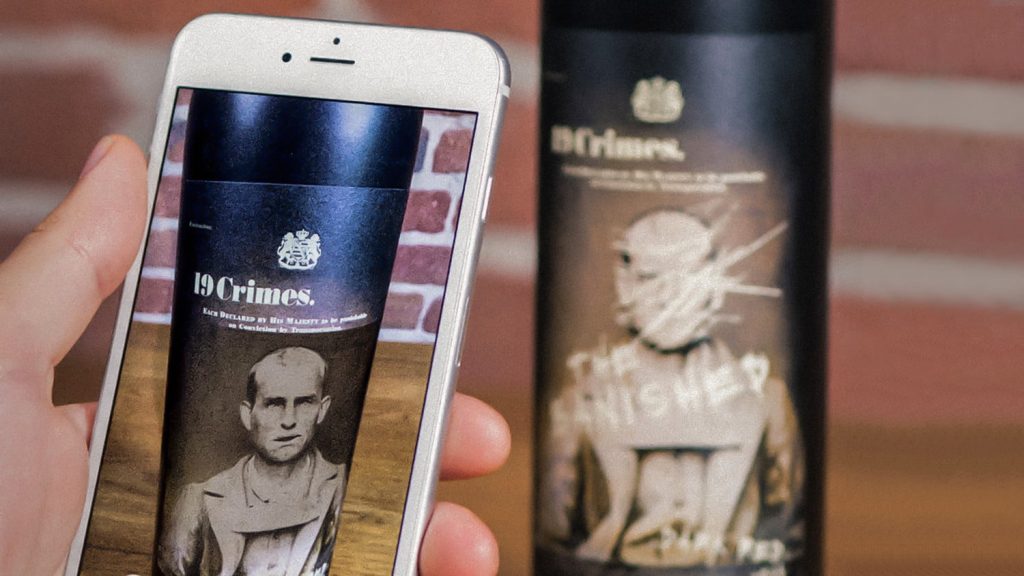
    • AR as a brand differentiator Think first-mover advantage here. When 19 Crimes introduced the first wine labels with AR, their revenues increased by 70%! While the novelty may wear off, it can certainly get people talking about your brand and introduce new consumers to it.
    • AR to decrease friction You should be asking yourself, how can AR help inform or facilitate a better user experience (UX) for my target audience? You should be thinking about alleviating pain points in the buying cycle. This will lead to a more informed purchasing decision in less time. Sherwin Williams has done an excellent job of immersing its target audience with its ColorSnap® Visualizer by helping them see what their paint choices will look like after the project is complete.  
    • AR to educate Is your product or service something that needs to be explained to your target audience? If you need to educate your buyer, AR may be used to help your buyer understand more about your brand.
    • AR as an experience AR can be a great way to place a product or experience into a real setting. When StubHub introduced AR in Super Bowl LII, their goal was to help attendees familiarize themselves with the stadium and the surrounding City of Minneapolis.


    Our Client, Wish Farms, Augmented Reality and App

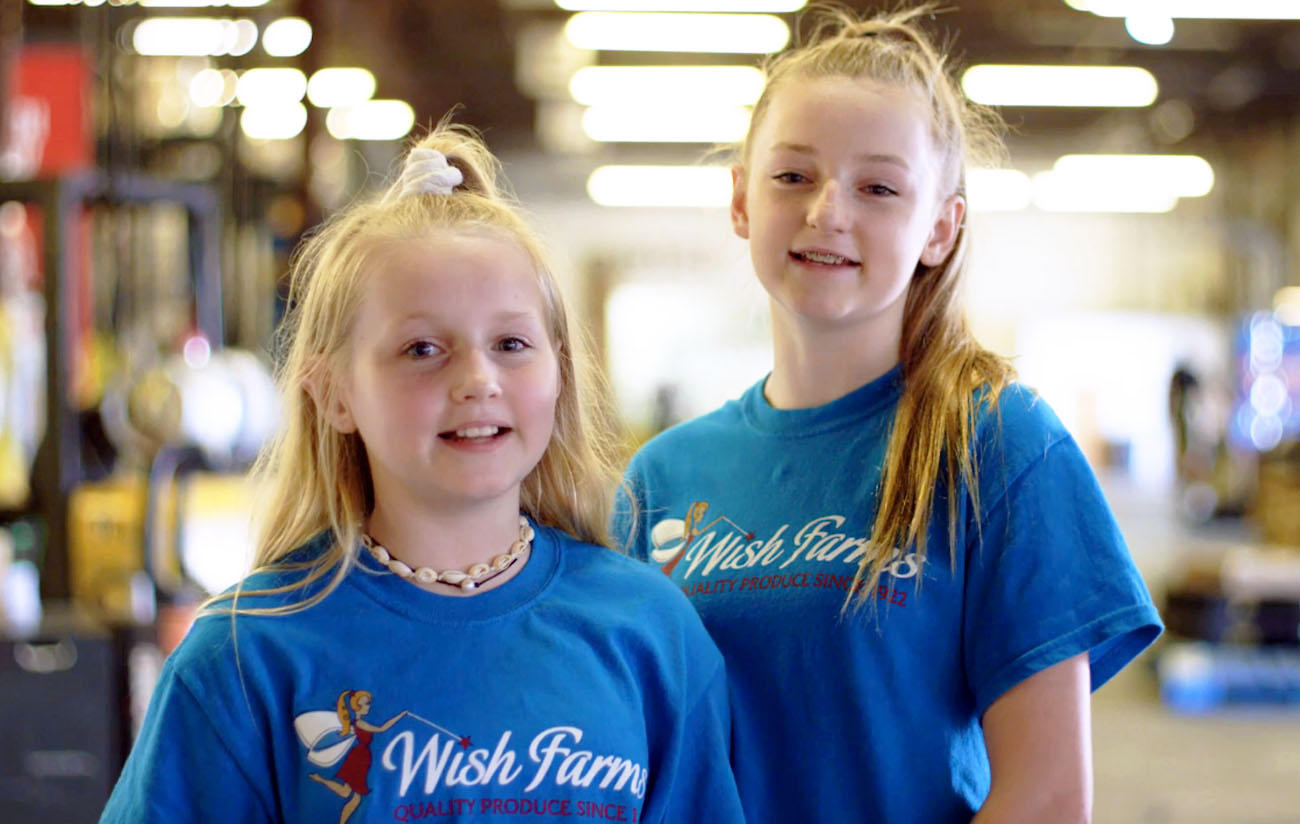
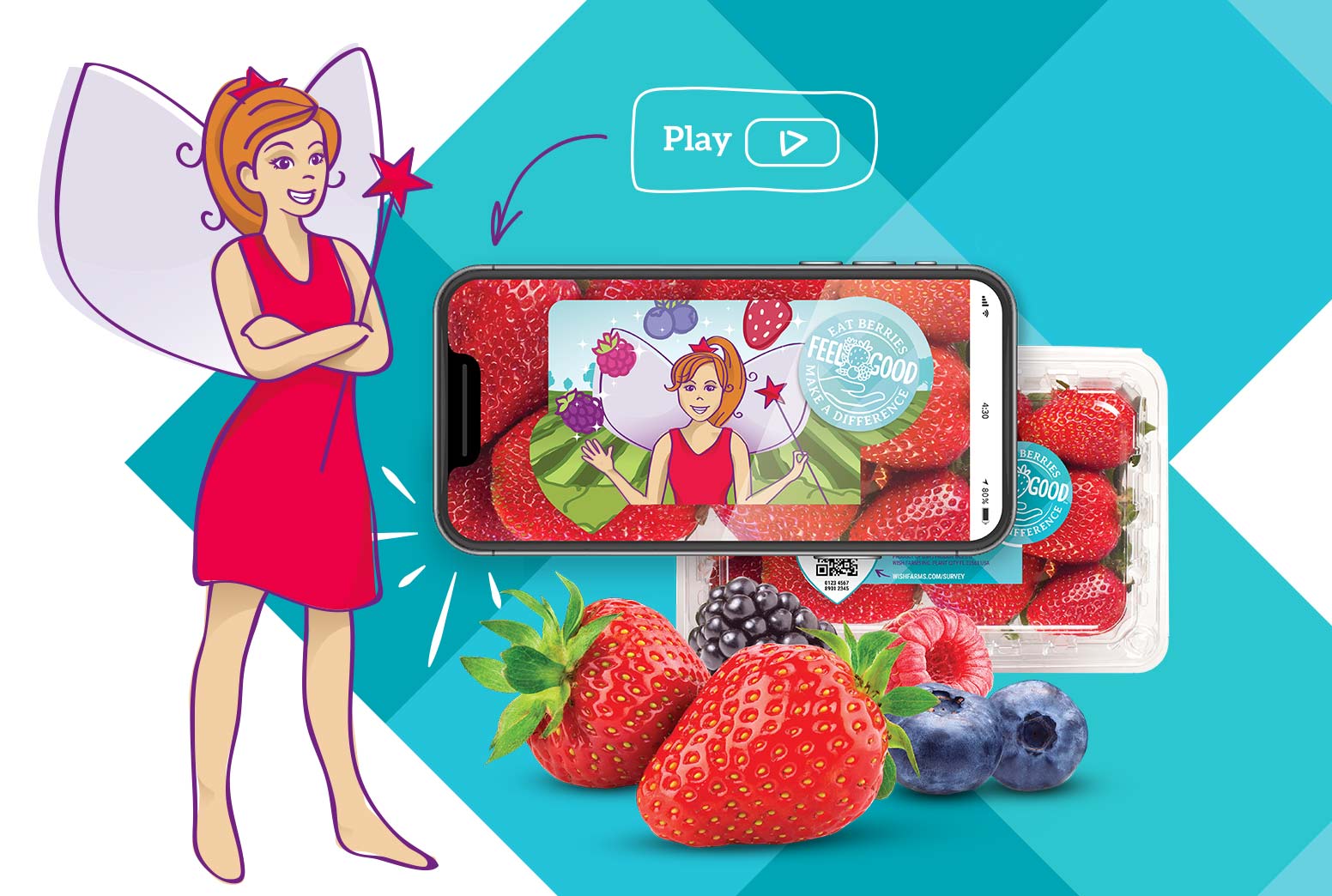
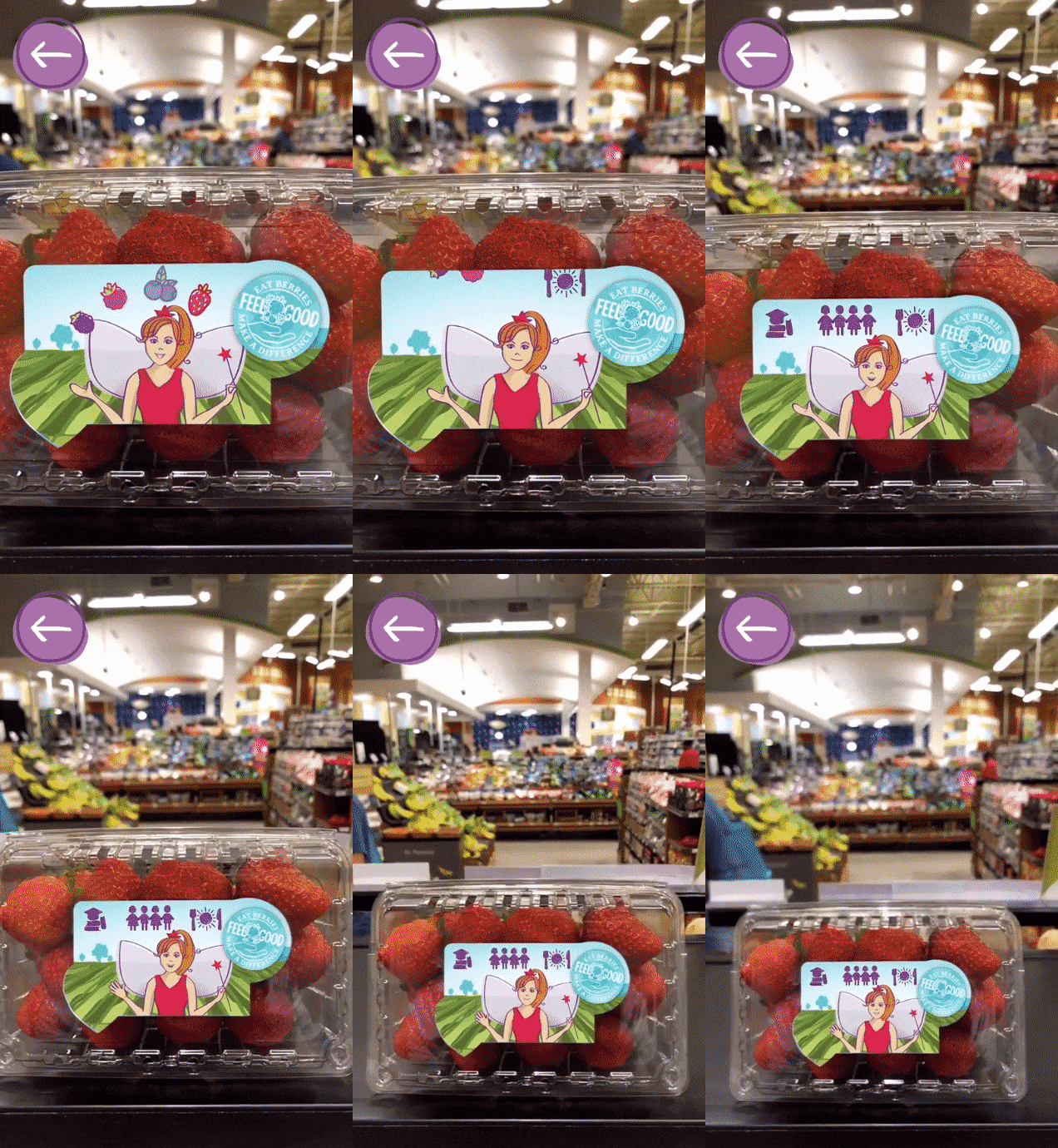
    Some brands are creating unique filters to use in social media, while others are using them to segue into an app. When Sulzer brought the idea of AR to Wish Farms owner Gary Wishnatzki, he loved the possibility of bringing their “Misty the Garden Pixie” mascot to life right on the labels we were rebranding. The fact that Misty could talk to kids, parents and consumers about their delicious berries was an exciting leap forward for the industry. Coupled with an app that could be built upon incrementally, the concept was given the green light.

    The initial goal of the project was to help Misty the Garden Pixie speak more directly to consumers. As part of the execution, the label was designed to easily change the type of berry highlighted as well as the season of the year. This would allow Wish Farms to develop campaigns around each of their four berry categories and their respective selling seasons.

    The Wish Farms AR & app combo checks multiple boxes for how a company can use AR to accelerate their brand: differentiation by being a first mover in fresh produce, educating how they are giving back to the community, along with bringing a more inviting and personal experience to their app. Users are enticed to frequently revisit the app through a rich experience of recipes, surveys, backstories on their farmers, and even a game (trick-tac-toe – we dare you to give it a try).

    When Wish Farms became the first in the berry industry to include augmented reality back in October 2019, they showcased the feature at the top produce conference in the world, astounding consumers and competitors alike with the futuristic new way of connecting with customers.

    If you decide to move forward with AR for your brand make sure to set goals and targets first. Build the use case around your target market, stay focused, and good luck!

    ,
  • Building Trust: The Role of Authenticity in Nonprofit Branding

    Building Trust: The Role of Authenticity in Nonprofit Branding

    Authenticity is a critical ingredient in nonprofit branding.

    According to one poll, 88% of donors and supporters say authenticity is a key factor in deciding whether or not to support a nonprofit or when comparing nonprofits to each other and choosing which to support. For nonprofits, authenticity is critical to reaching passionate supporters quickly and turning interest into impact.

    The Importance of Trust in Branding

    Trust in branding is essential, which is why nonprofits should be open about their vision. They should show, plainly, their genuine commitment to their beneficiaries. Nonprofits build trust among donors by clearly documenting what they do to support the community and then showing that documentation to their supporters.

    What Does it Mean to Lead with Authenticity?

    “Just be yourself” may be the mantra of pursuing personal authenticity, but how does that translate to a nonprofit’s branding? With so many organizations, institutions, for-profit businesses, and other nonprofits competing for attention, how does a nonprofit brand itself as the most authentic? The one that is worth the audience’s attention?

    Authenticity can be achieved by following a list of Do’s and Dont’s:

    • Do be consistent in your branding. Don’t rely on jargon or peppy lines that are overused.
    • Do incorporate interactive elements like visual storytelling. Don’t just copy/paste other trends.
    • Do prioritize creating quality branding material over quantity, and don’t overcomplicate the brand.
    • Do seek to include all potential audiences by creating relatable branding, but don’t come off as generic.
    • Do create branding that gets people talking about and interacting with the brand, but don’t overpromise.
    • Do train each team member on the nonprofit’s brand, and never use negative imagery when representing the brand.

    Three Strategies for Building Nonprofit Credibility

    Statistics on the importance of nonprofit credibility don’t lie. According to consumer reports, 74% of survey respondents say a strong, credible brand identity boosts recurring donations. About 81% of respondents say they need to trust a brand before giving money to it, a metric confirmed by the fact that consistent, authentic branding increases nonprofit revenue by 23%.

    But how does a nonprofit build authentic and transparent brand credibility within its target communities? Three strategies include:

    • Publish case studies. The most transparent way a nonprofit can show communities what it’s capable of is by publishing case studies and delivering comprehensive presentations that outline the beginning, middle, and end of the nonprofit’s projects.
    • Display reviews and testimonials. Nonprofits should publish reviews and testimonials of people helped by the nonprofit, people who work with the nonprofit, plus volunteers, donors, and community members. Such real-life depictions of peoples’ experiences with the nonprofit build authentic credibility within the community.
    • Craft a clear and compelling mission statement. Mission statements are prime real estate in every nonprofit’s branding, one of the most-read pieces of text a nonprofit will ever publish. A compelling and unique mission statement invites the audience to relate to the nonprofit on a personal level.

    Sulzer Inc. Helps Nonprofits Lead Through Transparent Communication

    Transparent communication is key in nonprofit branding because nonprofits rely on trust and camaraderie to garner support from the community. To learn how to craft compelling, genuine, honest, and authentic brand messaging, contact Sulzer Inc. today.

    ,
  • Strategic Branding for Social Impact: A Case Study Analysis

    Strategic Branding for Social Impact: A Case Study Analysis

    Case studies of branding campaigns allow nonprofits to see what works in getting their message out.

    Every action a nonprofit takes to get its mission and message to its target audience is a step in the right direction, but not all actions are created equal. Nonprofits should implement strategic branding so their message reaches the right audience, in the right way, at the correct time, and delivered in a way that is compelling and persuasive.

    Year Up Implemented Strategic Branding to Get Its Message to the Public

    A great way to learn about the power of strategic branding is to study examples where branding was effectively implemented. In one such example, the nonprofit Year Up identified its mission, vision, goals, and strategy, and then the nonprofit conceptualized all of those elements into nuanced and intentional brand messages.

    For example, Year Up’s mission statement is:

    • “Year Up’s mission is to close the Opportunity Divide by ensuring that young adults gain the skills, experiences, and support that will empower them to reach their potential through careers and higher education.”

    And the group’s vision is:

    • “In the future, every young adult will be able to reach their full potential.”

    Mission and vision statements are essential for nonprofits, as they clearly articulate what the nonprofit is all about. Year Up went a step further. The organization identified its “why” and published it on their website and in social media campaigns:

    • “We believe that every young adult has potential and deserves opportunity and economic justice. Year Up is committed to ensuring equitable access to economic opportunity, education, and justice for all young adults—no matter their background, income, or zip code. Employers face a growing need for talent while millions are left disconnected from the economic mainstream. These inequities only further perpetuate the Opportunity Divide that exists in our country—a divide that Year Up is determined and positioned to close.”

    Every word in the Mission Statement, Vision, and Why was carefully chosen to reflect the nonprofit, its intent, and its approach to tackling the problems at hand.

    A Positive Social Impact, Well Documented

    Further analysis of Year Up reveals the organization closely documents its social impact to inspire nonprofit members and attract new support. For example, the organization released a series of strategic branding messages depicting the nonprofit’s Grads for Life program and its YUPRO Placement program.

    Once Year Up’s audience understood the nonprofit’s various programs, the organization began publishing statistics showcasing the successes of those programs. The organization laid claim to:

    • 30+ campuses nationwide
    • 43,000+ students served to-date
    • 90% corporate partner satisfaction rate
    • $52,000 average annual starting salary for Year Up grads
    • 80% of graduates employed and/or enrolled in postsecondary education within four months of program completion

    Last but not least, Year Up also publishes thorough, rigorous evaluations of its programming. From a branding perspective, the proofs and analyses presented in these reports brand Year Up as an effective and committed nonprofit worthy of support.

    Sulzer Inc. Creates Effective Nonprofit Brand Strategy by Leveraging Case Study Analysis 

    The most compelling nonprofit brand strategy is one that produces a case study analysis and makes it available to the public. Community members support nonprofits when those organizations document their good works and present that documentation in an easily digestible and clear way. Sulzer, Inc. leverages its ability to create case study analyses to help nonprofits earn new supporters, increase monthly donations, grow their audience, and enhance engagement. Contact Sulzer Inc. today to get started.

Work with Us