• Meet Daniela Coromina: A Decade of Global Brand and UX Design, Now Working for Nonprofits

    Meet Daniela Coromina: A Decade of Global Brand and UX Design, Now Working for Nonprofits

    By Ashley Konopka, Social Media and Awareness Strategist, Go Do Good | November 17, 2026

    Daniela Coromina is the UI/UX Brand Designer at Go Do Good. She has more than ten years of experience in art direction, UI/UX, branding, and graphic design, with creative leadership roles in the UK, Singapore, and Canada. At Go Do Good she applies research-led design to nonprofit, education, and purpose-driven brands so their websites and identities are clear to understand and simple to act on.

    What does a UI/UX Brand Designer do at Go Do Good?

    Daniela designs the places where a brand and its audience meet. That covers visual identity systems, website layout and user flow, and the campaign and digital assets that carry a brand across channels. She works from the same starting question on every project: what does this person need to understand, feel, and do when they land here?

    That question matters for nonprofits. A donor on a phone, a program coordinator comparing partners, and a funder reviewing impact all arrive with different goals and about a minute of patience. Daniela designs for all of them at once.

    Where does Daniela’s experience come from?

    Daniela’s career runs across continents and industries. She led creative teams at Milktree Digital in the UK and at Interactive Digital in Singapore. She directed brand and visual consistency for L’Oréal and Maybelline across nationwide campaigns. Most recently, she worked at Vira Marketing in Toronto.

    The L’Oréal and Maybelline work is worth a closer look. Keeping a brand consistent across many campaigns, markets, and contributors is a hard operational problem. Nonprofits face a version of it every day, with chapters, programs, events, and fundraising appeals all speaking in one name. Daniela has solved that problem at national scale, and she brings the same discipline to our clients’ brand systems.

      How does a global brand background help a nonprofit?

      In our view, nonprofit brands have the hardest job in branding. They serve more audiences than most commercial brands: donors, volunteers, board members, program participants, partners, and funders. Each audience needs to see the same organization and find what matters to them quickly.

      Designers who have managed large, multi-channel brands know how to build systems that hold up under that pressure. Color, type, layout, and tone work together so that a new hire, a volunteer designer, or a partner can produce something on brand without a lengthy briefing. That is what we build for clients, and Daniela’s background fits it directly.
      What is Daniela’s design philosophy?

      She describes it as “designing clarity through research, empathy, and purpose.” Each part shows up in the work.

      • Research comes first. Decisions about layout, hierarchy, and messaging start with what audiences actually do and want, and with the goals of the organization.
      • Empathy shapes the details: how a page reads on a small screen, how a form feels at the moment someone decides to give, how an unfamiliar visitor finds their way.
      • Purpose decides what stays. If an element does not help someone understand the mission or take the next step, it goes.

      This philosophy sits naturally inside our Clarity → Momentum Process™, where clear brand strategy comes first and design gives it momentum.
      What is Daniela like to work with?

      Daniela makes teams better. Colleagues and clients describe a designer who is curious, direct, and generous with ideas, and who treats a brief as a problem to understand before it becomes a layout. She collaborates closely with our strategy, content, and web teams, so identity, messaging, and user experience stay aligned from the first discovery conversation through launch.

      Who is Daniela outside the studio?

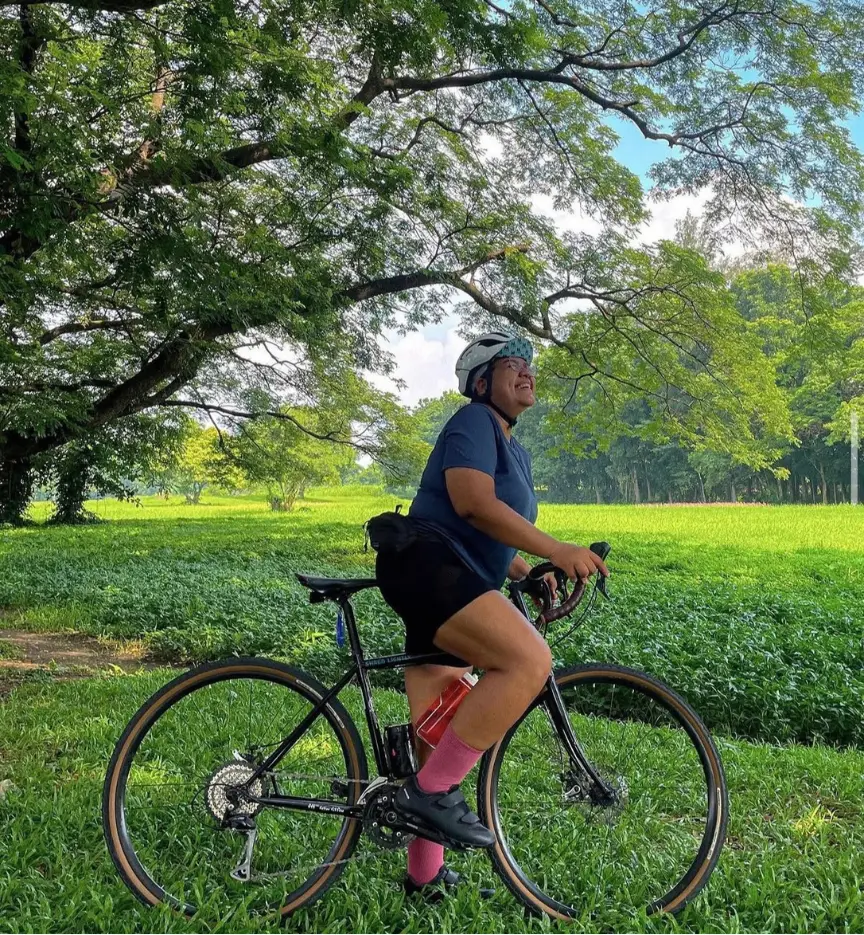
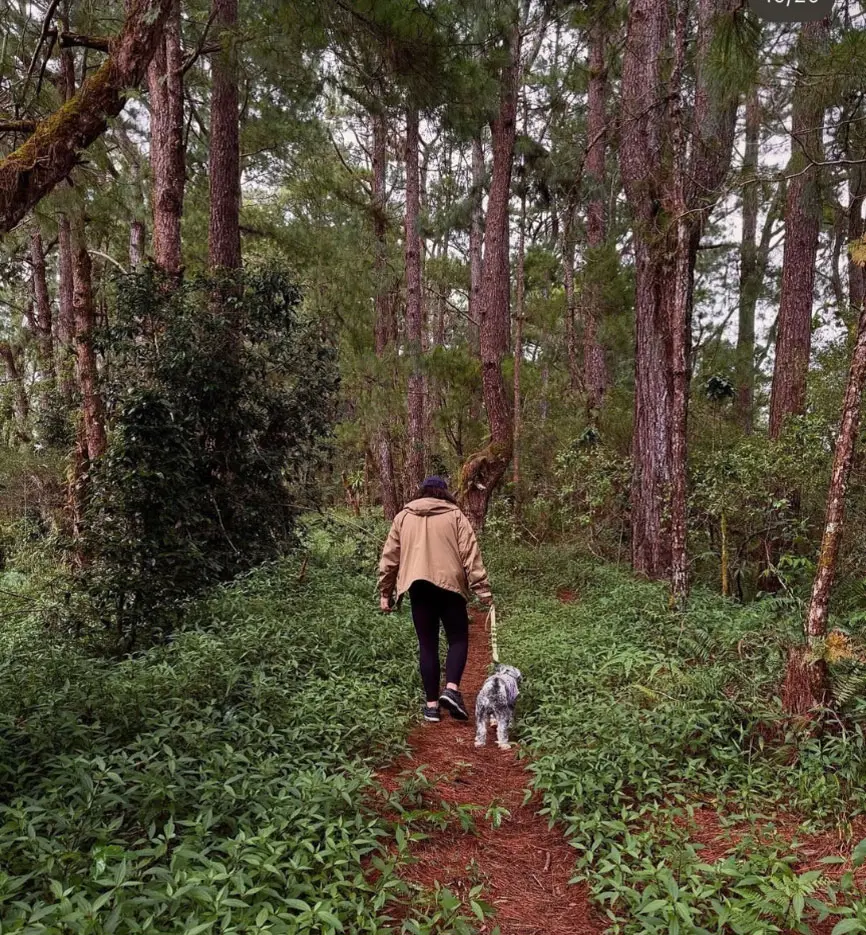
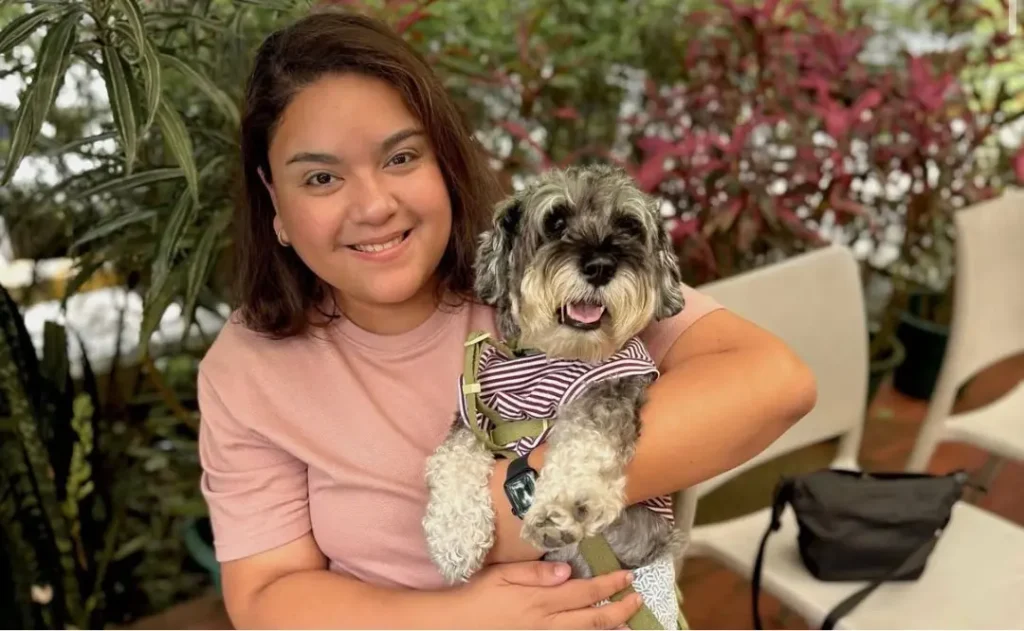
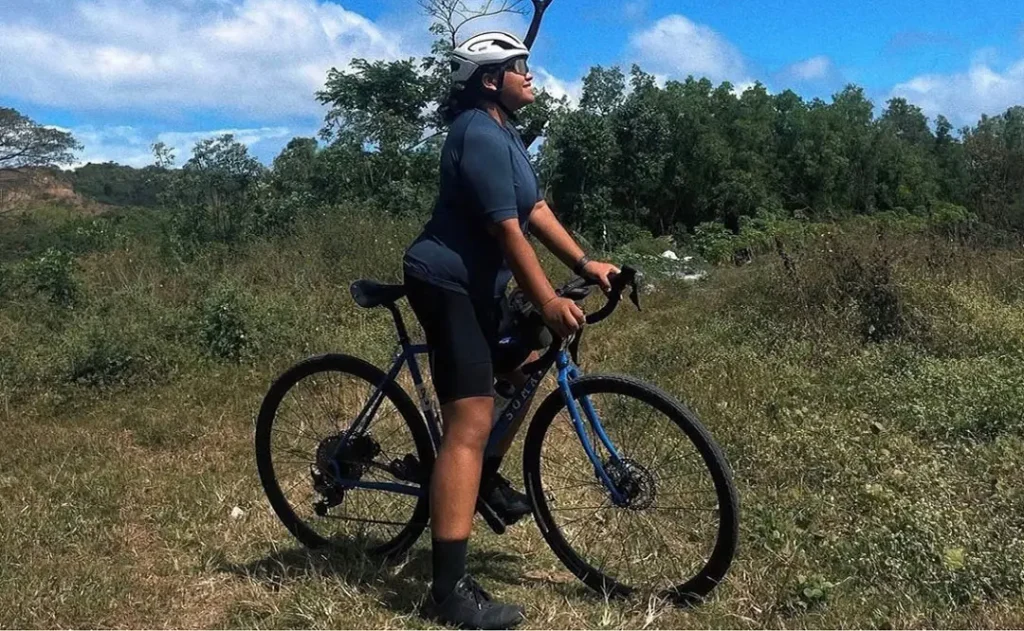
      Daniela is an adventurer who spends her time outdoors and on cycling trips. She is a three-dog mom, a regular at live concerts, an avid reader, and a dedicated binge-watcher. She will not start a meeting without her coffee. We think the best creative work comes from curious people with full lives, and Daniela fits that description.
      Frequently asked questions about Daniela Coromina

      What is Daniela Coromina’s role at Go Do Good?

      Daniela is our UI/UX Brand Designer. She leads design for brand identities, websites, and digital experiences for nonprofit, education, and purpose-driven clients.

      How much design experience does Daniela have?

      More than ten years across art direction, UI/UX, branding, and graphic design, with creative leadership roles in the UK, Singapore, and Canada.

      Which brands has Daniela worked on?

      At previous agencies, Daniela directed brand and visual consistency for L’Oréal and Maybelline across nationwide campaigns. At Go Do Good, she has worked on Mercy Chefs, a global nonprofit, as well as National Foundation for Credit Counseling, Boys & Girls Club of Collier County, FORCE (Facing Our Risk of Cancer Empowered), Accelerate Learning, Kiddom, Kids Beating Cancer, and RCMA.

      How can my organization work with Daniela?

      Start with a conversation. Tell us about your mission and your goals, and we will match your project with the right team. Contact Go Do Good.

      Work with a team that designs for clarity

      If your brand or website is ready for a clearer, more confident look, explore our work or let’s talk.
    • Go Do Good’s Michelle Sulzer Returns to USF as a Capstone Judge

      Go Do Good’s Michelle Sulzer Returns to USF as a Capstone Judge

      By Ashley Konopka, Social Media and Awareness Strategist, Go Do Good | November 13, 2026

      When real-world marketing experience meets fresh ideas from the next generation, everybody learns something.

      Michelle Sulzer, founder of Go Do Good, has been invited back to the University of South Florida’s Zimmerman School of Advertising & Mass Communications in Tampa to judge this December’s Campaigns Capstone presentations. She’ll hear student teams present campaign strategies for two local nonprofits, ask them questions, and help select the winning campaign. The invitation came from Professor Ronda Clement, MBA, a longtime friend, colleague, and past client of Go Do Good who teaches advertising at USF.

      What is the Campaigns Capstone at USF?

      It’s a semester-long project where each student team builds a campaign strategy and communications plan for a real nonprofit, then presents it. Professor Clement has spent the semester guiding her students through an agency experience, and the Zimmerman School is known for hands-on training that blends classroom learning with work alongside professionals. We can’t wait to see what the teams have built. usf

      Which nonprofits are the students working with?

      This semester’s partners are two Tampa Bay organizations:

      • OnBikes is a Tampa-based nonprofit that raises money to supply bicycles to at-risk young people, including kids experiencing homelessness or in foster care, to help them build confidence and stay healthy. It was formed in 2011 when a group of friends organized a community bike ride to raise money so at-risk kids could get their first bike. In a late-2024 report, its co-founder said the organization had given out more than 18,000 bicycles over 13 years. tampaabcactionnews
      • Avalon Family Charities is an equine charity based in Lutz, Florida. It supports horse rescue, offers lessons for riders with special needs, and provides scholarships for riders who don’t have the means to pursue their dreams.

      Both organizations trusted students with their missions, and we’re cheering them on.

      Why does Go Do Good invest in the next generation of marketers?

      Nonprofits do critical work in communities everywhere, and they need marketers who understand both the craft and the cause. For 25 years, Go Do Good has helped purpose-driven organizations clarify their story, build their brands, and move people to act, and you can see that work here. Our RCMA campaigns are one example of what that looks like in practice.

      Michelle will bring feedback shaped by those 25 years of building brands, campaigns, and strategies for mission-driven organizations, and she’ll be giving it to students about to start their careers. It’s also one of the ways we’re marking our 25th year: finding more ways to give back to the communities that have given so much to us. Judging work like this usually teaches us something in return.

      We’re grateful to Professor Clement for the invitation and for building a program that connects education to real-world impact. We’ll share a recap after the event. Until then, good luck to the student teams.

      Frequently asked questions

      What is the USF Campaigns Capstone?

      It’s a capstone project at the University of South Florida’s Zimmerman School where student teams develop a campaign strategy and communications plan for a real nonprofit partner, then present it to judges.

      Who is judging this December?

      Michelle Sulzer, founder of Go Do Good, who was invited back by Professor Ronda Clement. She’ll ask questions and help choose the winning campaign.

      Which nonprofits are involved?

      OnBikes, a Tampa nonprofit that provides bicycles to at-risk kids, and Avalon Family Charities, an equine charity in Lutz, Florida.

      How can my organization work with Go Do Good?

      Start with a conversation. Contact us and tell us what your organization is trying to do.

      If your organization carries real human weight and needs clarity people can stand behind, let’s talk.

    • Go Do Good Announces Strategic Partnership with FORCE to Help Reach More People Facing Hereditary Cancer

      Go Do Good Announces Strategic Partnership with FORCE to Help Reach More People Facing Hereditary Cancer

      By Michelle Sulzer, Founder and Chief Creative Officer, Go Do Good | November 12th, 2026

      A clear story helps people find the support they need and helps supporters see the difference they make.

      Go Do Good is the chosen agency for the 2026 year-end campaign of FORCE (Facing Our Risk of Cancer Empowered), and I’m glad we are. FORCE is the Tampa-based national nonprofit for people and families facing hereditary cancer. We’ve developed the campaign strategy, and our team is building the creative on top of it now.

      Who is FORCE and who does it serve?

      For more than two decades, FORCE has given people expert-reviewed information and a community of peers and professionals. It serves people affected by hereditary breast, ovarian, pancreatic, prostate, colorectal, and endometrial cancers. Its Peer Navigation Program helps people understand their risk, make informed decisions about their care, and connect with others who understand what they’re facing. The program is free. facingourrisk

      The need is large. FORCE reports that up to 90% of people with an inherited mutation aren’t aware of their risk or their medical options, which you can read on FORCE’s own site. A campaign for FORCE has to reach people who don’t yet know the organization exists, and that shaped how we approached the strategy.

      What does Go Do Good bring to a campaign like this?

      We’ve worked with nonprofits and purpose-driven organizations for 25 years, and nonprofit branding and campaigns are the center of that work. Fundraising is a regular part of it. For RCMA, a nonprofit that supports the children of migrant farm workers, we ran a capital campaign for a new campus, a 60th anniversary campaign, and a digital-only unrestricted fundraising campaign. That’s the experience we bring to FORCE, and FORCE chose us. godogoodtogether.com

      Being chosen means a lot to me. FORCE brings clarity, community, and hope to people at some of the most uncertain moments of their lives, and I take it seriously that they trusted us with how that story gets told. Our job is to make sure the people who need FORCE can find it, trust it, and act on it.

      What is Go Do Good doing for FORCE?

      We’ve developed the strategy for FORCE’s 2026 year-end campaign, including how to reach the donors who already support FORCE and the people who haven’t heard of it yet. The creative is being built on that strategy, and we’re working alongside the FORCE team throughout. Year-end is when many people decide where to give, so the timing matters.

      Why does strategy come before creative on a campaign like this?

      Because one message can’t serve everyone FORCE talks to. Someone who learned about their risk last week needs something different from a survivor, a caregiver, or a genetic counselor, and a message that reassures one can miss another. I’ve watched campaigns stall when they try to say everything to everyone.

      So we started by defining who FORCE needs to reach and what each person needs to hear. The creative follows from that. With the strategy settled, the emotion in the work has something real behind it, and people have a reason to believe it and act.

      Frequently asked questions

      What does FORCE do?

      FORCE gives people facing hereditary cancer expert-reviewed information and a community of peers and professionals. It also runs the Peer Navigation Program, which supports people one on one as they weigh risk and care decisions.

      What is a year-end campaign?

      It’s a fundraising campaign timed to the last weeks of the year, when many people decide where to give. A good one tells supporters clearly what their gift makes possible.

      How long has Go Do Good worked with nonprofits?

      Twenty-five years. We build brands, websites, and campaigns for nonprofits and purpose-driven organizations. You can see our client work here.

      How can my organization work with Go Do Good?

       Start with a conversation. Contact us and tell us what your organization is trying to do.

      If your organization carries real human weight and needs clarity people can stand behind, let’s talk.

    • Go Do Good Joins Kids Beating Cancer for an Evening of Hope

      Go Do Good Joins Kids Beating Cancer for an Evening of Hope

      By Michelle Sulzer, Founder and Chief Creative Officer, Go Do Good | September 30, 2026

      An evening of generosity, community, and support for children and families facing cancer.

      On October 10, the Go Do Good team attended the annual Hats & Heroes Ball for Kids Beating Cancer at the Waldorf Astoria Orlando, and we contributed to the silent auction. Kids Beating Cancer is the Orlando-based pediatric cancer nonprofit we’ve had the opportunity to work with. This year’s ball had a Magical Wonderland theme and brought together supporters, community leaders, and advocates for one of the organization’s biggest fundraising nights of the year.

      What is the Hats & Heroes Ball?

      It’s Kids Beating Cancer’s annual fundraising ball, and the money raised supports its pediatric cancer research and treatment work. Guests came to celebrate the organization and contribute to that work, and the evening included a silent auction. We were glad to be part of it.

      What does Kids Beating Cancer do?

      Kids Beating Cancer works to give children access to life-saving treatment through cellular therapy, funds pediatric cancer research, and supports families through treatment. The organization’s track record is specific. In 2012 it funded the first pediatric transplant center in Central Florida, and it has raised more than $30 million since 1992, according to a 2024 report. Behind every event like this one is a child, a family, and a story that deserves hope.

      Why does Go Do Good show up for the organizations we work with?

      Because we build with our clients, not just for them. We’ve worked with nonprofits and purpose-driven organizations for 25 years, and that work includes the fundraising campaigns and events that keep their missions funded. Being in the room matters. It’s where we see who stands behind an organization and what its supporters respond to, and that shapes how we approach the strategy later. Our RCMA campaigns are one example of how that plays out.

      Seeing so many people come together for the same purpose was a reminder of how much community support matters to organizations working with children facing serious illness. I’m grateful to the Kids Beating Cancer team for having us, and proud to support what they do. Congratulations to everyone who made this year’s ball possible. We look forward to continuing to support your work.

      How can you support Kids Beating Cancer?

      You can help the organization continue its mission by supporting its research, treatments, and programs for children and their families. Make a donation to Kids Beating Cancer. Every contribution helps bring hope to children and families who need it most.

      Frequently asked questions

      When and where was the 2026 Hats & Heroes Ball?

      It was held on October 10 at the Waldorf Astoria Orlando. This year’s theme was Magical Wonderland.

      What does Kids Beating Cancer fund?

      It funds access to advanced treatments, pediatric cancer research, and resources for families going through treatment.

      Does Go Do Good work on nonprofit fundraising events and campaigns?

      Yes. Fundraising campaigns are a regular part of our work with nonprofits. You can see our client work here.

      How can my organization work with Go Do Good?

      Start with a conversation. Contact us and tell us what your organization is trying to do.

      If your organization carries real human weight and needs clarity people can stand behind, let’s talk.

    • Go Do Good Is Proud to Sponsor NFCC Connect 2026

      Go Do Good Is Proud to Sponsor NFCC Connect 2026

      We’re proud to be a sponsor of NFCC Connect 2026, happening August 24–26 in Washington, D.C. This year’s conference is especially meaningful as the National Foundation for Credit Counseling celebrates 75 years of helping people build better financial futures.

      For us, being part of Connect 2026 is about more than putting our name on a conference. It’s about showing up for an organization and an industry we believe in.

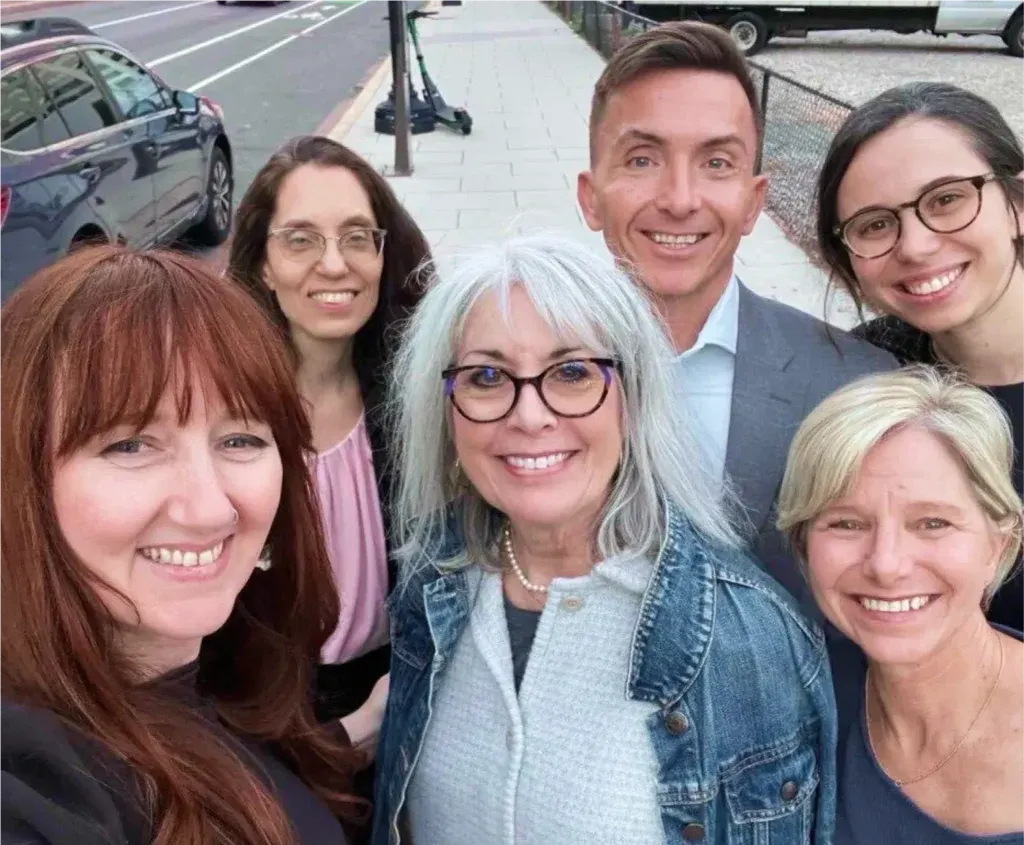
      A group of six smiling Go Do Good team members posing together outdoors on a city sidewalk during the NFCC Connect event.

      We’ve had the privilege of partnering with NFCC for the past four years, working alongside their team to strengthen their digital presence, connect more people with trusted financial guidance, and help move their work forward. Over that time, our partnership has grown well beyond individual projects. We’ve worked together across digital strategy, website improvements, SEO, paid media, social, content, and more, always with the same goal in mind: making it easier for people to find NFCC and take the next step toward better financial health.

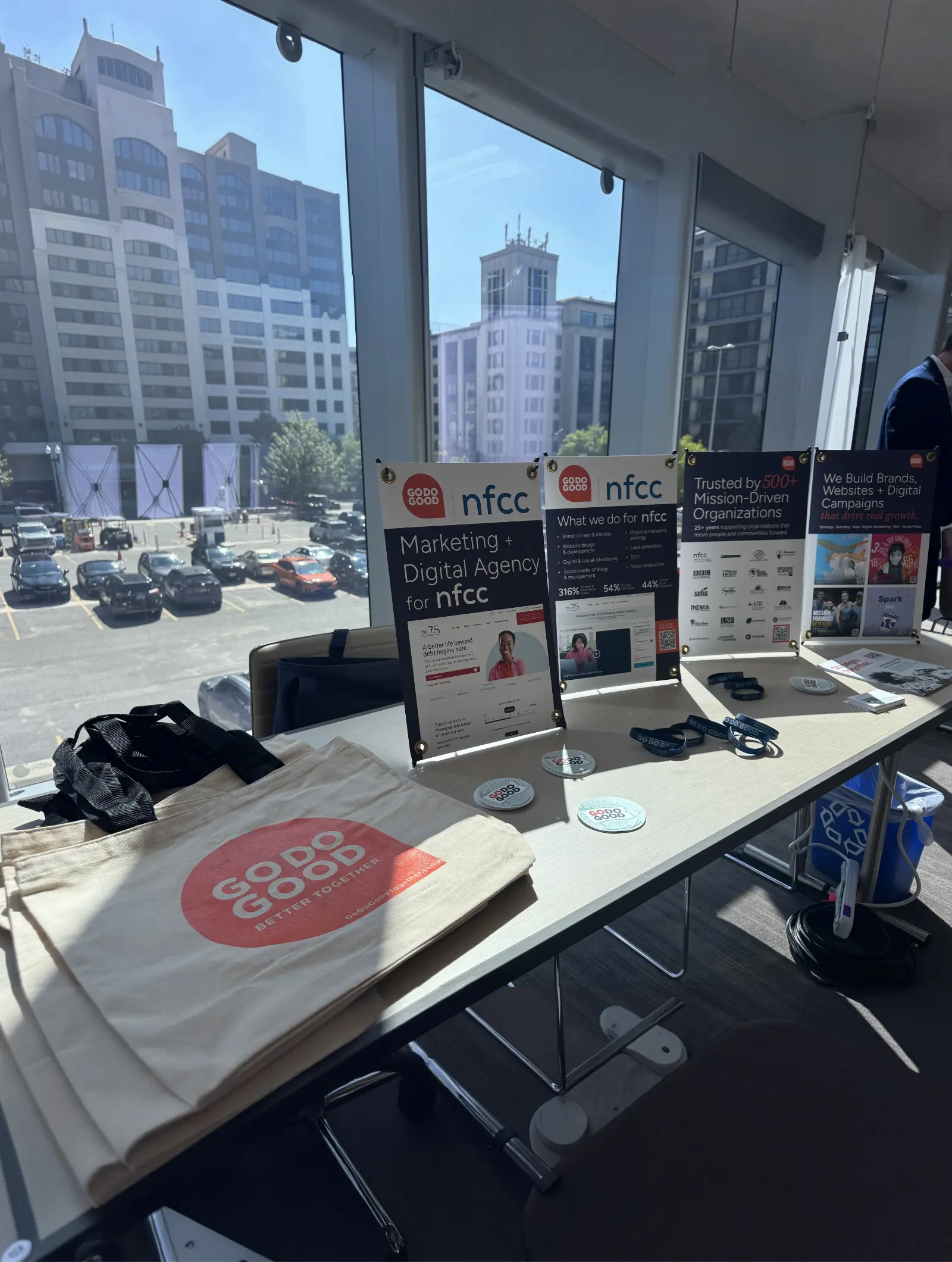
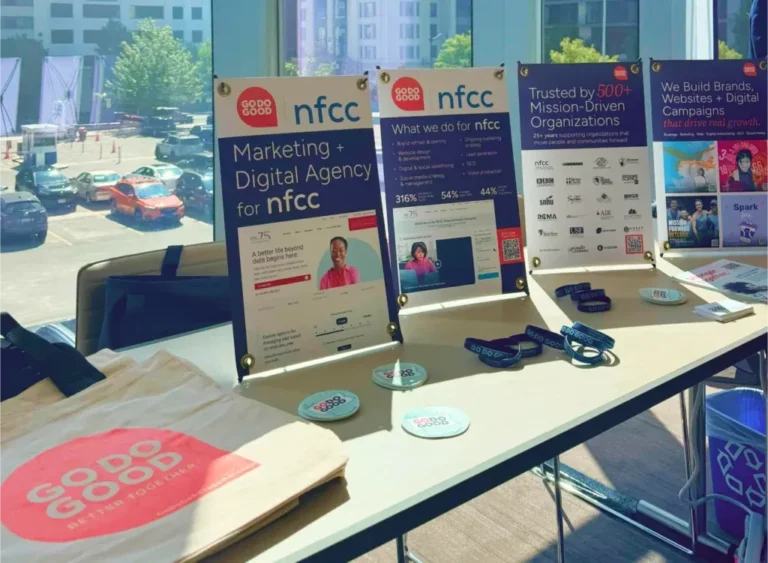
      A sponsor vendor table situated by a window, displaying NFCC signage, promotional materials, and a pink Go Do Good branded tote bag.

      That’s one of the things we value most about long-term partnerships. The work gets better when you have the opportunity to learn together, build on what’s working, and keep looking for what’s next.

      And that spirit is at the heart of Connect 2026.

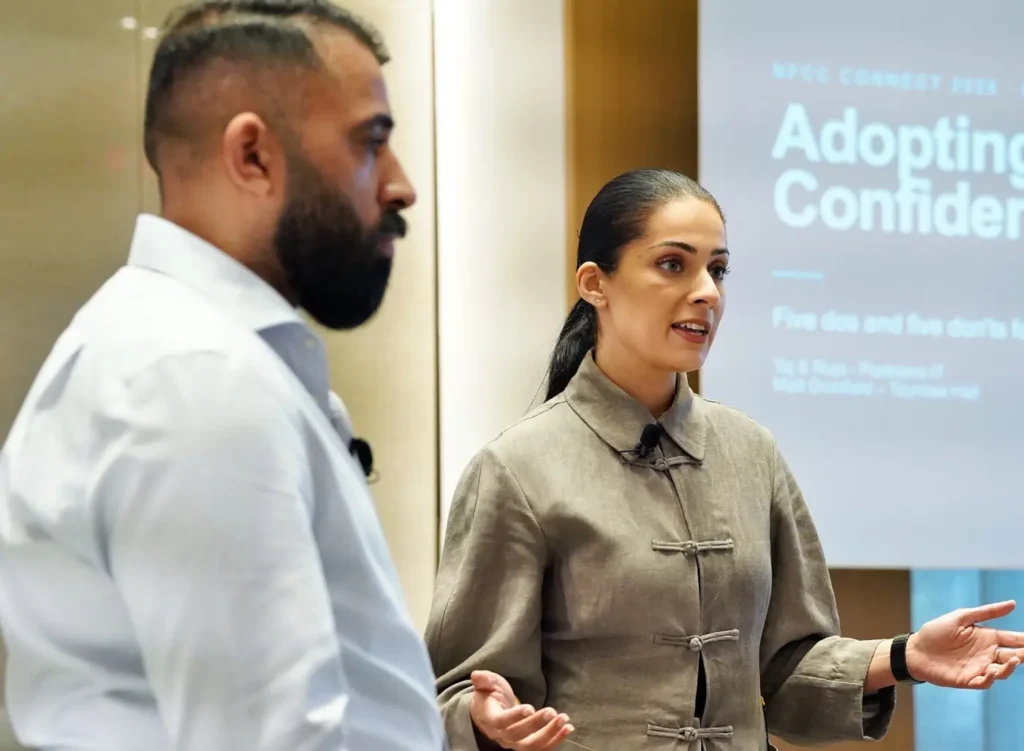
      Two speakers, a man and a woman, presenting on stage at the NFCC Connect conference with a background slide titled "Adopting AI with Confidence."
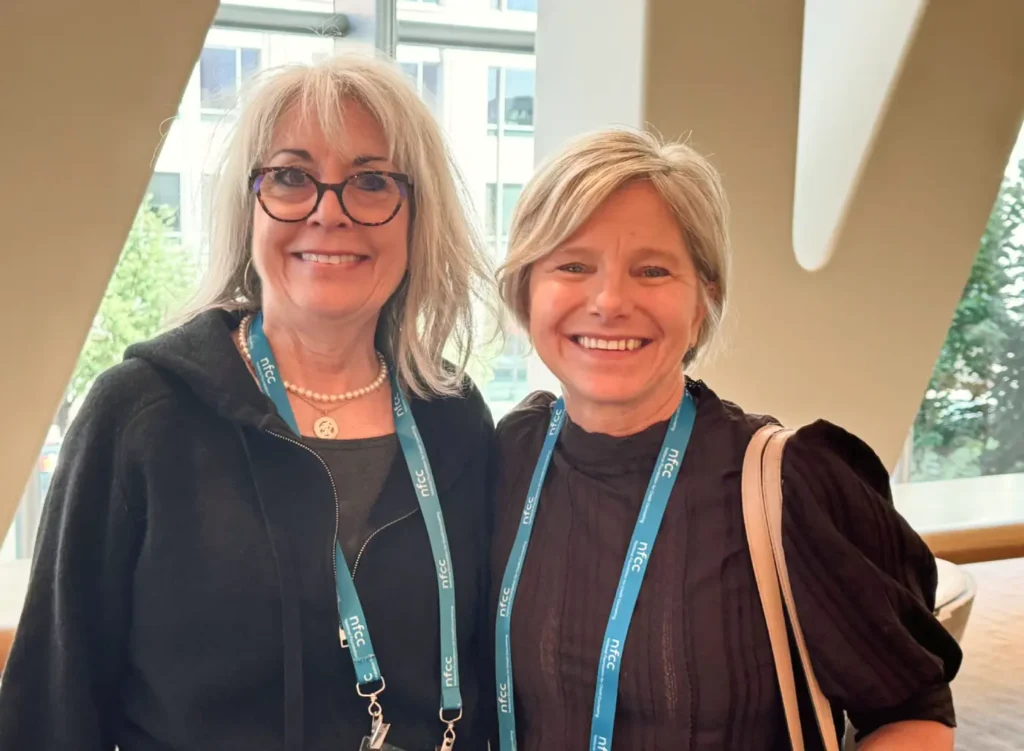
      Jess and Michelle smiling together inside the bright conference venue, both wearing blue NFCC Connect attendee lanyards.

      This year’s theme, “75 Years of Trust. A New Era of Innovation,” recognizes where NFCC has been while looking ahead to where financial counseling is going. The conference brings together leaders, counselors, partners, and innovators from across the industry to share ideas, explore new approaches, and shape the future of financial wellness.

      We’re excited to be part of that conversation.

      At Go Do Good, we work with people-first organizations that are doing work that matters. NFCC is exactly that kind of organization. Their impact reaches real people facing real financial challenges, and their commitment to making trusted guidance more accessible is something we’re proud to support.

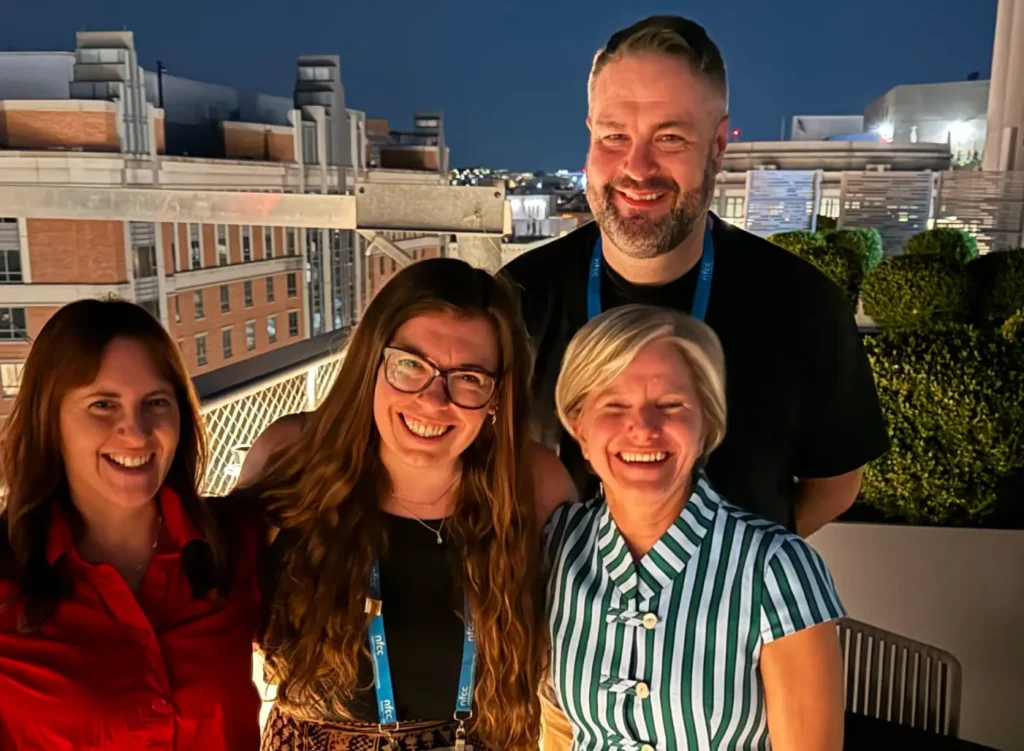
      Four members of the Go Do Good and NFCC teams smiling together for a group photo on an outdoor rooftop patio at dusk.

      So, happy 75th, NFCC. We’re proud to be a sponsor of Connect 2026, proud of the partnership we’ve built over the last four years, and even more excited about what’s ahead.

      Here’s to 75 years of impact and a new era of what’s possible.

      ,
    • Go Do Good’s Michelle Sulzer Judges USF Advertising Capstones

      Go Do Good’s Michelle Sulzer Judges USF Advertising Capstones

      When real-world marketing expertise meets the next generation of talent, incredible things happen.

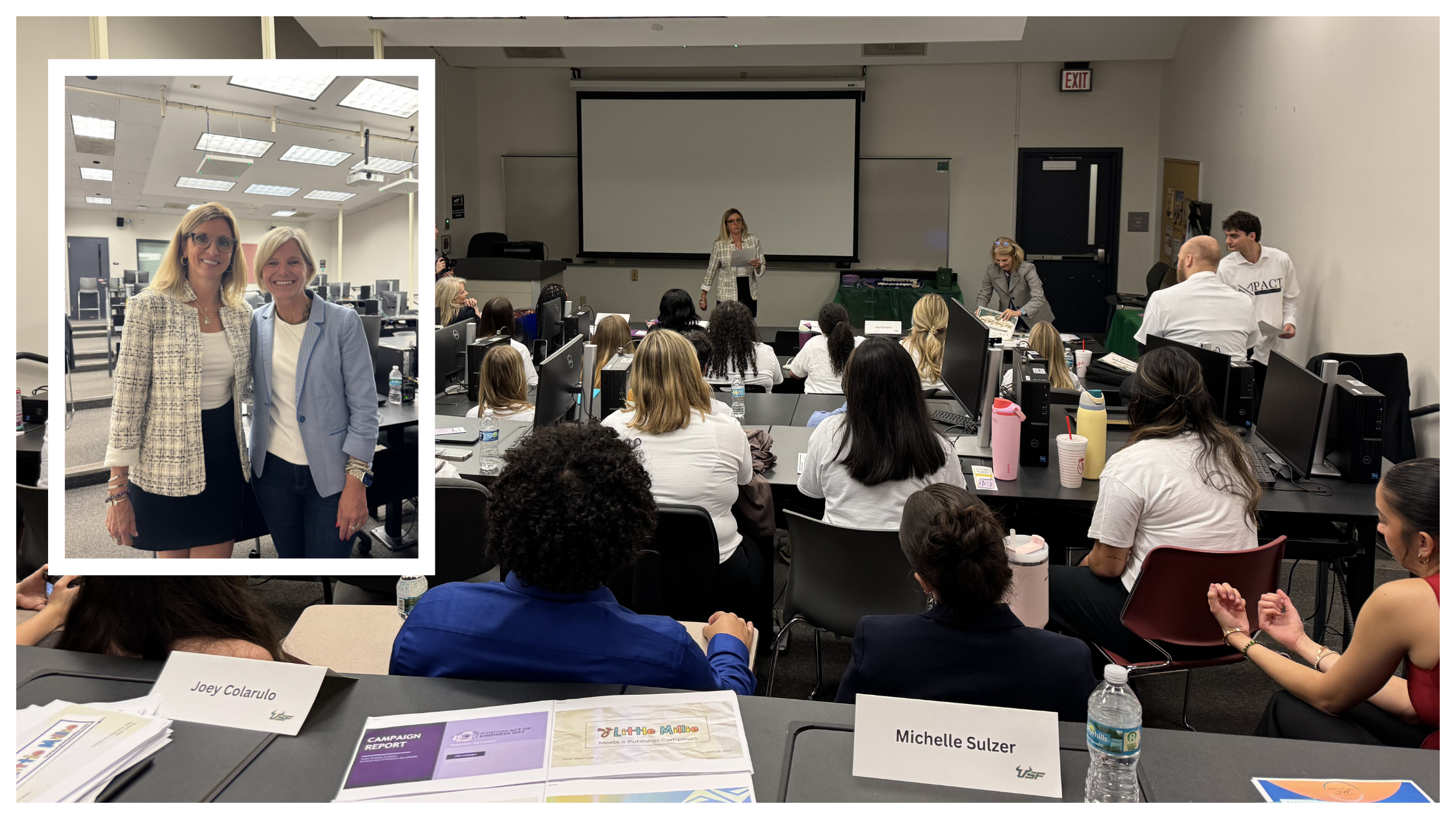
      Go Do Good is thrilled to share that our founder, Michelle Sulzer, was recently invited to serve as a guest judge for the IPRA Capstone Campaign Presentations at the University of South Florida’s prestigious Zimmerman School of Advertising, right here in Tampa.

      The invitation came from Professor Ronda Clement, MBA, a longtime friend, colleague, and past client of Go Do Good who teaches advertising at USF. Ronda has spent the semester guiding her students through a full-service agency experience and the results? Nothing short of impressive.

      What Made This Capstone So Special

      This wasn’t a classroom exercise. This was the real deal.

      Four student teams were tasked with developing complete advertising campaigns from discovery and research through strategy and final execution for two real nonprofit partners:

      iMPACT Greater Good™ and Peirano Family Foundation, Inc.

      The students operated like a professional agency from day one. They conducted research, developed strategy, built creative, and delivered campaigns that their nonprofit partners can actually publish and put into market. That is the kind of education that translates directly into careers.

      Michelle joined an esteemed panel of judges, including Joey Colarulo, Almon Gunter, Michelle Darr, and Myles Madden, all accomplished marketing and advertising professionals. Together, they evaluated each team’s presentations, scored their work, and provided direct, meaningful feedback.

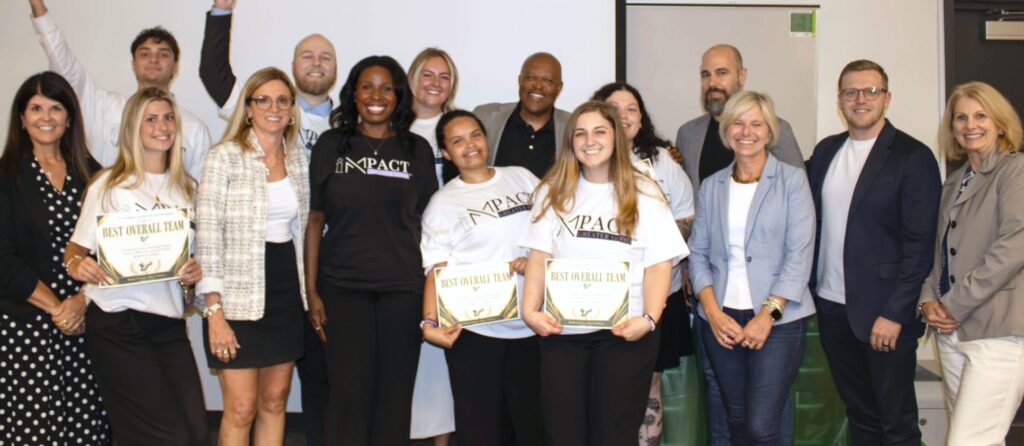
      One Overall Winning Team was recognized, along with several individual awards — a testament to the high level of talent in the room.

      Why This Matters — For Students AND the Industry

      At Go Do Good, we believe deeply in investing in the next generation of mission-driven marketing professionals. Nonprofit organizations are doing critical work in communities across the country and they need skilled, passionate marketers who understand both the craft and the cause.

      Watching these students present campaigns built specifically for nonprofit partners was exactly the kind of work we champion every single day. They didn’t just understand marketing strategy; they understood impact.

      As Professor Clement shared about her students: they showed up with confidence, clarity, and strong execution.

      We couldn’t agree more. The growth, the coachability, and the commitment these students demonstrated throughout the semester is precisely the kind of mindset that makes a great nonprofit marketer. They took feedback, kept improving, and showed up on presentation day ready to deliver.

      A Huge Honor — And a Reminder of Why Community Matters

      For Michelle, being asked to step into the room as a judge to represent the professional marketing community and offer real feedback to students on the cusp of launching their careers was a genuine honor.

      “These students are going to do incredible things,” Michelle shared. “It was inspiring to see how deeply they engaged with their nonprofit clients, how seriously they took the work, and how well they executed under pressure. That’s exactly the mindset we look for.”

      We are grateful to Professor Ronda Clement for the invitation, for her dedication to her students, and for building a program that bridges the gap between education and real-world impact. And we applaud the nonprofit partners — iMPACT Greater Good™ and the Peirano Family Foundation for trusting students with their missions and investing in the next generation of talent.

      This is exactly the kind of collaboration that makes communities stronger and the marketing industry better.

      USF Judges and winners for Advertising Class

    • It Started With a Really Bad Resume

      It Started With a Really Bad Resume

      Paint splatters. A skull with a bow. A font choice that probably should have disqualified me immediately.

      That was the resume I showed up with when I knocked on the door of a small agency a few streets over, hoping they might take a chance on an intern.

      Somehow, they did.

      Before that moment, I was on a completely different path. I had even considered switching my major to theater stagecraft and set design. But everything changed during a trip to Chicago, when I had the chance to shadow at an ad agency my cousin worked at. The second I stepped inside, I knew. The energy, the creativity, the pace of the work, it just clicked.

      I went home, changed direction, and started pursuing a degree in mass communications with a focus on advertising at the University of South Florida. Not long after, that very questionable resume landed me my start with Go Do Good (previously Sulzer Agency) and the beginning of what would become a 12-year journey.

      In the early days, I was helping with simple design tasks, updating copy, placing images, supporting wherever I could. I didn’t have formal creative training, but I was eager and pretty tech-savvy. One of my first projects was designing a logo for Women in Philanthropy. I came up with the idea of a dandelion, with seeds blowing in the wind to represent the spread of generosity and impact. They loved it. That was my first real taste of creative ownership, and it was invigorating.

      As time went on, I realized that while I enjoyed design, my strengths were leading me somewhere else. I found my place in account management and project management. I’ve always been a list person. I love organization, clarity, and the satisfaction of checking things off. What started as notebooks filled with color-coded pens eventually evolved into building systems that helped our entire team stay aligned as we grew.

      Over the years, I stepped into roles as a project manager, account manager, and senior account manager, even exploring people and culture along the way. But at the core, I found my passion in helping teams and clients move work forward in a clear, thoughtful way.

      There are so many moments that stand out, but one that always makes me smile is when we turned our conference room into a full fulfillment center for a client project with Accelerate Learning. We had an assembly line going, building boxes, wrapping iPads, and inserting materials. It was one of those moments where you could see all the strategy, design, and effort come to life in something tangible. And of course, there are the everyday moments too, like Michelle’s voice-to-text messages that somehow manage to turn everyone’s name into something completely unrecognizable.

      What has made this journey so meaningful, though, is the people behind it all. Michelle and Rob have built something that truly reflects who they are. The shift to Go Do Good feels like a natural evolution of that. They genuinely want to do good for others, and that intention shows up in the work, the clients we choose, and the way we operate as a team.

      Being part of that has shaped me in more ways than I expected. It’s given me a space to bring both my creativity and my love for structure together. It’s helped me grow into a role where I can support meaningful work while also building the systems that make it possible.

      Now, 12 years in, what excites me most is where we’re headed. The continued focus on nonprofit organizations has made the work even more meaningful. You can see the impact. You can feel the purpose behind what you’re building. And being part of helping those organizations show up more clearly and connect more deeply with the people they serve is incredibly fulfilling.

      Twelve years later, I’m still just as excited about the work and even more confident in the impact we can make.

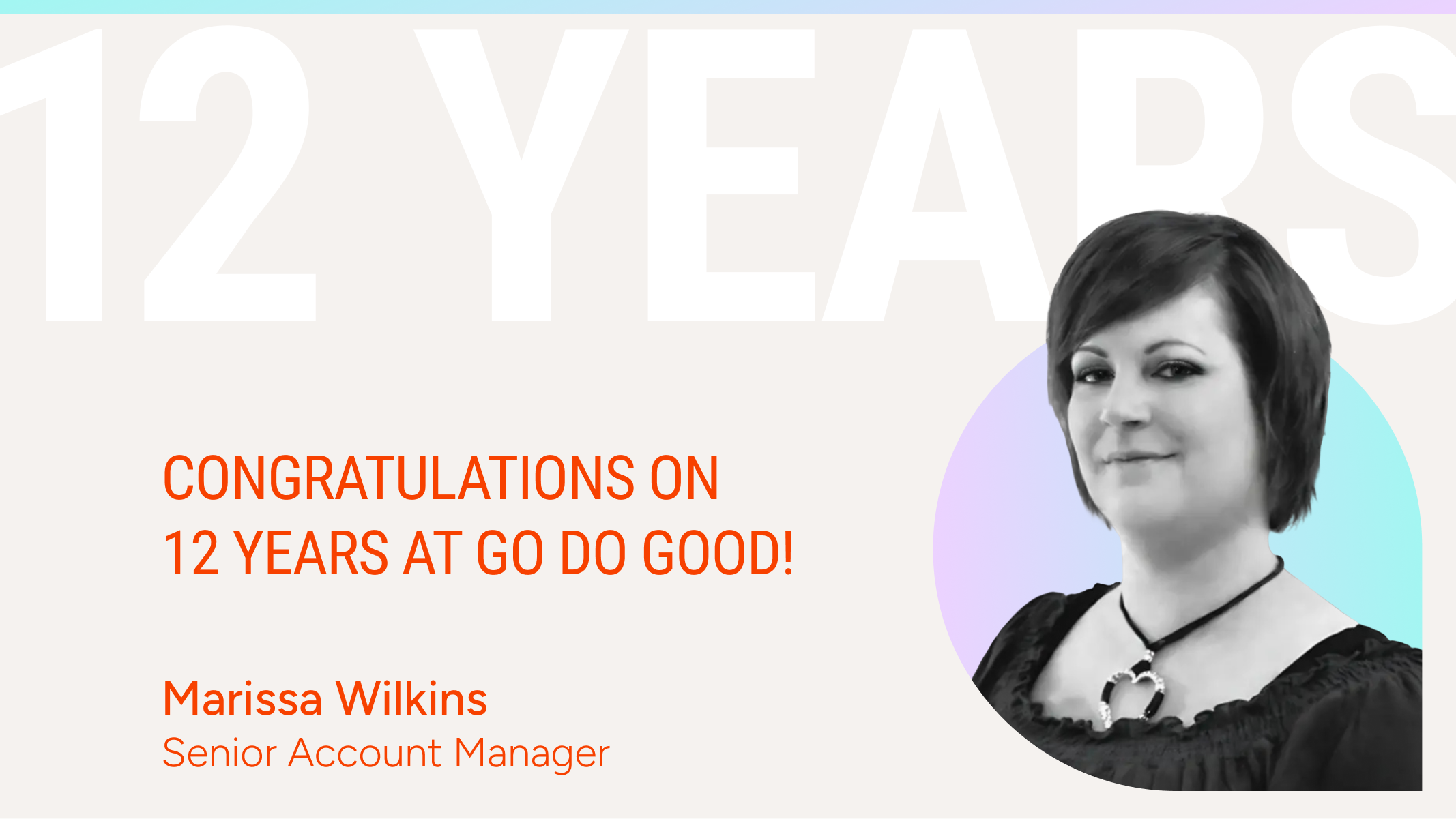
      Marissa Wilkins
      Senior Account Manager

    • Go Do Good (Formerly Sulzer) Wins a Mosaic ADDY Award for RCMA

      Go Do Good (Formerly Sulzer) Wins a Mosaic ADDY Award for RCMA

      How the RCMA Campaign Won a 2024 Mosaic ADDY and Silver Award

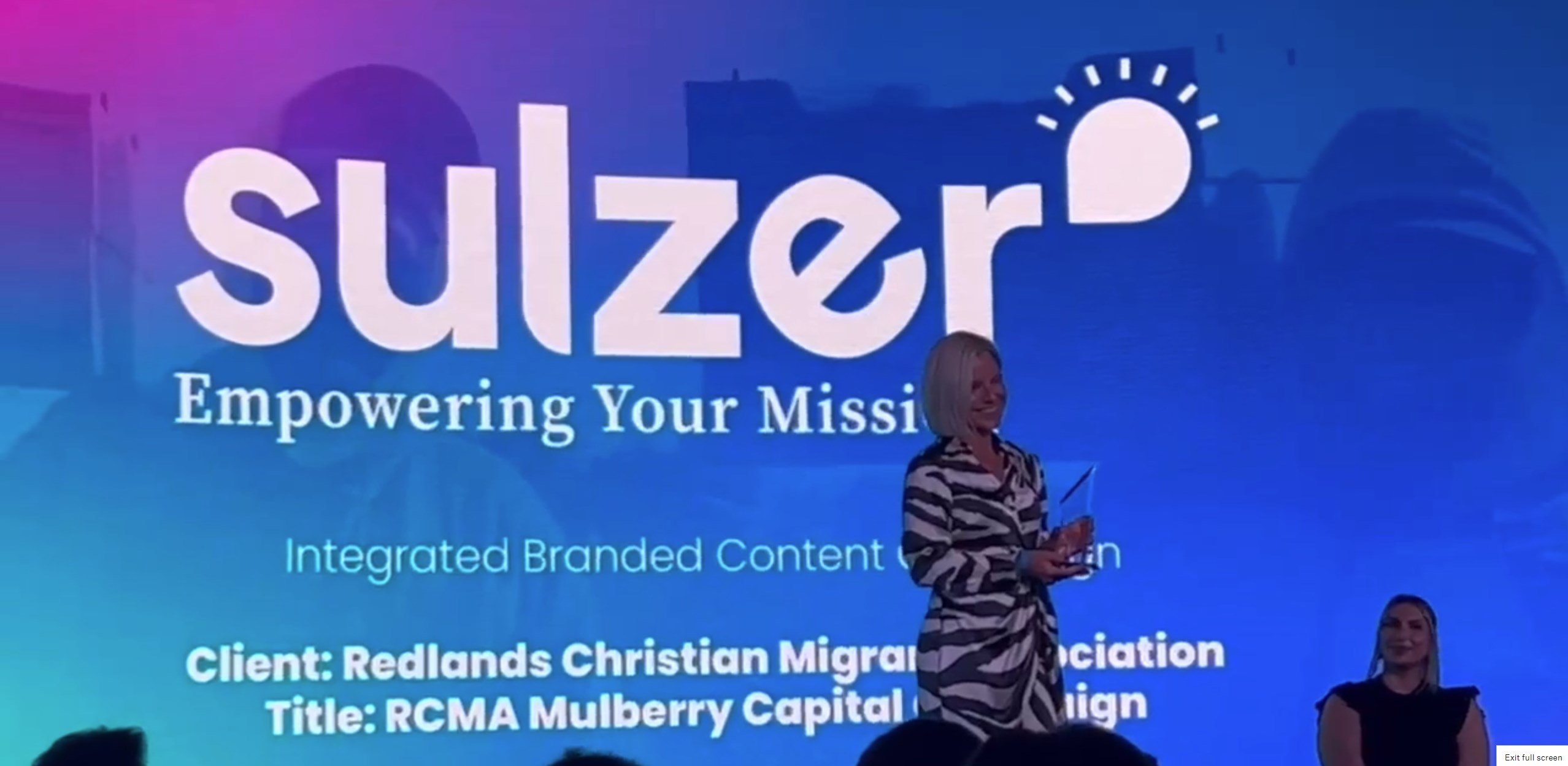
      Tampa, FL: The American Advertising Federation (AAF) awarded Go Do Good the 2024 Mosaic ADDY Award and the local Silver ADDY Award for the agency’s consistent and effective work on the Redlands Christian Migrant Association (RCMA) Mulberry Capital Campaign. The Mosaic Award is reserved for agencies and individuals whose work and results reflect a commitment to diversity, equity, and inclusion.

      RCMA is a Florida-based nonprofit dedicated to helping more than 4,600 children within the Sunshine State’s most vulnerable communities. Donating to RCMA directly funds quality care, education, and resources for children of migrant working and low-income families. Despite its incredible good works, RCMA grappled with a fragmented brand identity, an in-cohesive design and color scheme, and usability challenges within its digital presence. 

      The creative and strategic teams at Go Do Good leveraged potential donors’ core motivations and concerns to craft strategic branding, design, outreach campaigns, and a new online presence that resonated on a personal level with potential donors. Every step of the way, Go Do Good worked closely with RCMA to produce compelling narratives while highlighting the powerful stories of the children RCMA supports.

      Go Do Good won the awards for the results it obtained for RCMA and their community. Since the partnership began, RCMA has experienced a 33.5% increase in social page likes, seven new branding campaigns successfully launched, and a 38.1% increase in EOY net assets from 2019 to 2022.

      To learn more about the good work Go Do Good does to help nonprofits achieve their goals, follow the creative agency on LinkedIn, Instagram, Vimeo, and Facebook.

      About Go Do Good: Go Do Good is a creative agency that empowers nonprofits and purpose-driven organizations to create positive impacts. Humbly located at the heart of change, Go Do Good unites its clients’ passions and good works with strategic expertise to amplify missions, reach target audiences, engage interested parties, and effectively facilitate new growth for nonprofit and purpose driven organizations. With Go Do Good, nonprofits reach their audiences in a way that resonates and moves people to evolve from curious bystanders to active and engaged supporters.

      We are so honored to have won these awards, and the continued opportunity to work with RCMA to empower their mission. Our collaboration created a landscape in which we could strategically reshape RCMA’s brand and digital presence, resulting in a stunning uplift in engagement and enrollment. The achievement was an affirmation in the power of targeted branding and digital strategies to enhance community visibility and impact, but the deeper meaning behind the work was that RCMA is now able to get its message out there in ways it never had before. We couldn’t be happier to have been a part of that.

      Michelle Sulzer
      Founder + Chief Creative Officer
      ,
    Work with Us