• The Ultimate Guide to Choosing the Right Website Partner: 12 Questions Every Non-Profit Leader Must Ask Before Signing a Contract

    The Ultimate Guide to Choosing the Right Website Partner: 12 Questions Every Non-Profit Leader Must Ask Before Signing a Contract

    You have decided to invest in modernizing your website. Now comes one of the most important decisions you will make in this entire process: choosing the right partner to execute your vision. The wrong partner can waste your budget, miss deadlines, deliver a beautiful website that does not convert, or create technical problems that plague your organization for years. The right partner becomes a strategic advisor who understands your mission, anticipates your needs, and delivers a website that drives measurable growth in donations, volunteers, and overall impact.

    1. What Specific Experience Do You Have with Non-Profit Organizations Like Ours?

    This should be your first question because it reveals whether the partner understands the unique challenges of non-profit marketing and fundraising. Listen for specific examples of non-profit clients they have served. Pay attention to whether they can speak your language: donor acquisition cost, lifetime donor value, planned giving, and grant compliance. Ask to see case studies from comparable organizations. Red flags include generic responses about working with all types of clients or a portfolio dominated by e-commerce or corporate work with just one or two non-profit examples.

    2. How Do You Approach Mobile-First Design and Why Does It Matter?

    Mobile-first design means building the website primarily for mobile devices and then enhancing it for desktop, rather than the reverse. Listen for specific technical approaches. Do they mention responsive design frameworks? Do they discuss mobile performance optimization, touch-friendly interface elements, and mobile-specific user testing? Ask to see mobile versions of their previous work on your actual phone, not just in a browser simulator. Test the donation process. Red flags include defensive responses about mobile being “just part of responsive design” or portfolio sites that clearly work better on desktop than mobile.

    3. What Is Your Strategy for SEO and How Will You Ensure Our Website Gets Found?

    Listen for discussion of technical SEO fundamentals including site architecture and URL structure, page speed optimization, mobile-friendliness, schema markup implementation, and XML sitemap creation. Ask about their approach to content SEO. Request specific examples of SEO improvements they have delivered for other clients, with concrete data. Red flags include dismissing SEO as unimportant, claiming they can guarantee specific rankings, or avoiding concrete discussion of how they have improved search performance for previous clients.

    4. How Do You Ensure Accessibility Compliance and Why Should We Care?

    Your partner should demonstrate deep knowledge of WCAG standards and explain how they build accessibility into every aspect of website development. Ask about their testing process. Automated tools catch only about 30% of accessibility issues, so partners who rely solely on automated testing are missing the majority of problems. Red flags include treating accessibility as optional or demonstrating a lack of knowledge about WCAG standards.

    5. What Analytics and Tracking Capabilities Will You Implement?

    Listen for discussion of event tracking for specific actions including donation completions, volunteer applications, email sign-ups, resource downloads, and video plays. Ask about their experience with Google Analytics 4 and Google Tag Manager. Request examples of analytics dashboards they have created for other clients. Red flags include vague responses about tracking everything or lack of familiarity with GA4 or Tag Manager.

    6. What Ongoing Support and Maintenance Plans Do You Offer?

    At minimum, maintenance plans should cover software updates, security monitoring and patches, backup management and recovery options, uptime monitoring, and basic technical support. Understand response times and support availability. If your donation form breaks on Giving Tuesday, can you reach someone immediately? Red flags include no formal maintenance offerings or vague promises without clear terms.

    7. Which Content Management System Do You Recommend and Why?

    The right answer considers your team’s technical comfort, your budget for ongoing maintenance, your need for specific functionality, and your plans for future growth. Understand what training they will provide on using the content management system. Your team should be able to handle routine content updates without paying developers for every small change. Red flags include recommending proprietary systems that lock you into their services indefinitely.

    8. How Do You Handle Timeline and Project Management?

    Ask about their typical timeline for a project of your scope and what factors influence that timeline. Listen for discussion of project management tools and communication processes. Ask about their approach to changes and scope creep. Request references from previous clients specifically about timeline adherence and project management. Red flags include vague timelines without specific milestones or an inability to explain their project management process.

    9. Can You Show Me Your Portfolio and Explain the Results You Have Achieved?

    Request specific examples of websites they have built for organizations similar to yours in size, sector, or goals. Review these sites thoroughly. Test the donation process. Navigate the site on mobile. Ask about results achieved for portfolio clients. Did donation conversion rates improve? Did organic traffic increase? Request permission to contact portfolio clients for references. Red flags include portfolios that all look similar, suggesting template-based approaches, or an inability to discuss results achieved for previous clients.

    10. How Do You Integrate with Our Existing Tools Like CRM, Email Platforms, and Payment Processors?

    Ask about their experience integrating with the specific tools you use. If you use Salesforce, Blackbaud, or DonorPerfect for donor management, have they successfully integrated websites with these systems before? Listen for discussion of APIs, webhooks, and integration platforms like Zapier. Red flags include a lack of experience with your specific tools, dismissing integration needs as unimportant, or promising integrations they clearly do not understand.

    11. What Security Measures Do You Implement and How Do You Handle Compliance?

    Ask about their approach to security including SSL certificate implementation, PCI compliance for payment processing, secure hosting environments, regular security updates and patches, and backup and recovery procedures. Best practice is using hosted payment forms from providers like Stripe or PayPal where credit card data never touches your server, eliminating most PCI compliance requirements. Red flags include dismissive attitudes toward security concerns or a lack of knowledge about PCI compliance requirements.

    12. What Does Success Look Like and How Will We Measure It Together?

    Listen for discussion of specific, measurable success metrics. These might include donation conversion rate improvements, increased email list growth, higher average gift size, improved volunteer applications, or increased organic search traffic. Ask how they will measure these metrics and report on progress. Understand their approach to post-launch optimization. Few websites are perfect at launch. Success comes from continuous testing, learning, and improvement based on real user data. Red flags include an inability to discuss success metrics beyond launch or treating the project as complete when the site goes live.

    Use these twelve questions to evaluate potential partners thoroughly. Do not rush the decision. Interview multiple candidates. Check references. Review portfolios critically. Ask hard questions and pay attention to how partners respond. The best partnerships are built on mutual respect, clear communication, and a shared commitment to measurable results.

    Article 14

    The Connection Between Your Brand and Your Grant Success Rate

    Here is something most non-profits never hear from their grant consultants: your brand is either helping you win grants or it is costing you grants. That is not an opinion. That is a pattern we have seen play out across dozens of organizations doing genuinely meaningful work. They have the mission, the data, the community support, and the track record. But they walk into a grant review process with a brand that communicates something entirely different. And they lose. This article is about closing that gap.

    Why Funders Pay Attention to Brand Before They Ever Read Your Proposal

    Grant reviewers are human beings. Before they read a single word of your narrative, they have already formed an impression of your organization. That impression comes from your website, your social media presence, your visual identity, and the overall coherence of how your organization presents itself to the world. If those touchpoints feel disorganized, outdated, or inconsistent, reviewers carry that perception directly into how they evaluate your proposal. Brand credibility acts as a trust signal. Funders are investing real dollars into organizations they believe can execute. A professional, consistent, and mission-aligned brand says your organization knows who it is, what it stands for, and how to communicate it clearly. That reads as operational capacity.

    Consistency Is the Foundation of Credibility

    One of the fastest ways to lose funder confidence is inconsistency. When your grant narrative says one thing and your public-facing materials say another, it creates friction. Reviewers start asking questions. Does this organization have a clear identity? Do their programs align with their stated mission? Is their messaging controlled and intentional? Your brand messaging, your visual identity, your program language, and your grant narrative all need to be speaking the same language. The mission statement on your grant application should feel like a natural extension of the language on your homepage. When a funder can move from your website to your proposal and feel like they are in the same world, that consistency builds trust at a level that strong writing alone cannot achieve.

    Your Digital Presence Is Now Part of the Review Process

    Assume every funder is Googling your organization. Because they are. Your website, your LinkedIn page, your Facebook presence, your press coverage, your Google reviews, and your donor testimonials are all part of an informal due diligence process that happens before, during, and after grant review. Every digital touchpoint either adds to or subtracts from funder confidence. This does not mean your organization needs to spend a fortune on digital infrastructure. It means you need to be strategic. A well-organized, clearly branded, and consistently maintained digital presence communicates organizational health.

    The Language of Your Brand Is Also the Language of Your Grant

    The language you use in your brand, your mission statement, your program descriptions, and your impact statements should be the same language you use in your grants. When organizations treat brand development and grant writing as two separate workstreams, they end up with messaging that feels disconnected. Investing in clear, strategic brand language early in the year creates a vocabulary that your whole team can draw from. Grant writers, program staff, communications teams, and executive leadership all start operating from the same messaging framework. That alignment is visible in the quality and coherence of your proposals. And it wins grants.

    Demonstrated Community Trust Is a Grant Advantage

    Funders want proof that the community you serve actually trusts and engages with your organization. Your brand is the primary vehicle for demonstrating that trust publicly. When you have testimonials on your website, stories shared on social media, community members featured in your content, and partners publicly associated with your name, you are building a body of evidence that goes beyond what any proposal can claim. Feature the voices of the people your organization serves. Publish the outcomes of your programs in plain, compelling language that anyone can understand. When a funder cross-references your proposal with your online presence and finds a community that is visibly engaged and supportive, that is a powerful signal.

    Brand Investment Is Grant Strategy

    The organizations consistently winning competitive grants are not just submitting better proposals. They are showing up with stronger brands. They have clearer messaging, more professional digital presences, better storytelling, and more visible community credibility. Those things do not happen by accident. They happen because those organizations made a decision to invest in how they present themselves to the world. If your organization is leaving grant money on the table, it is worth asking whether your brand is part of the problem and whether a targeted investment in brand clarity could meaningfully shift your outcomes.

  • Marketing in 2026 How EdTech Brands Build Trust Adoption and Long Term Impact

    Marketing in 2026 How EdTech Brands Build Trust Adoption and Long Term Impact

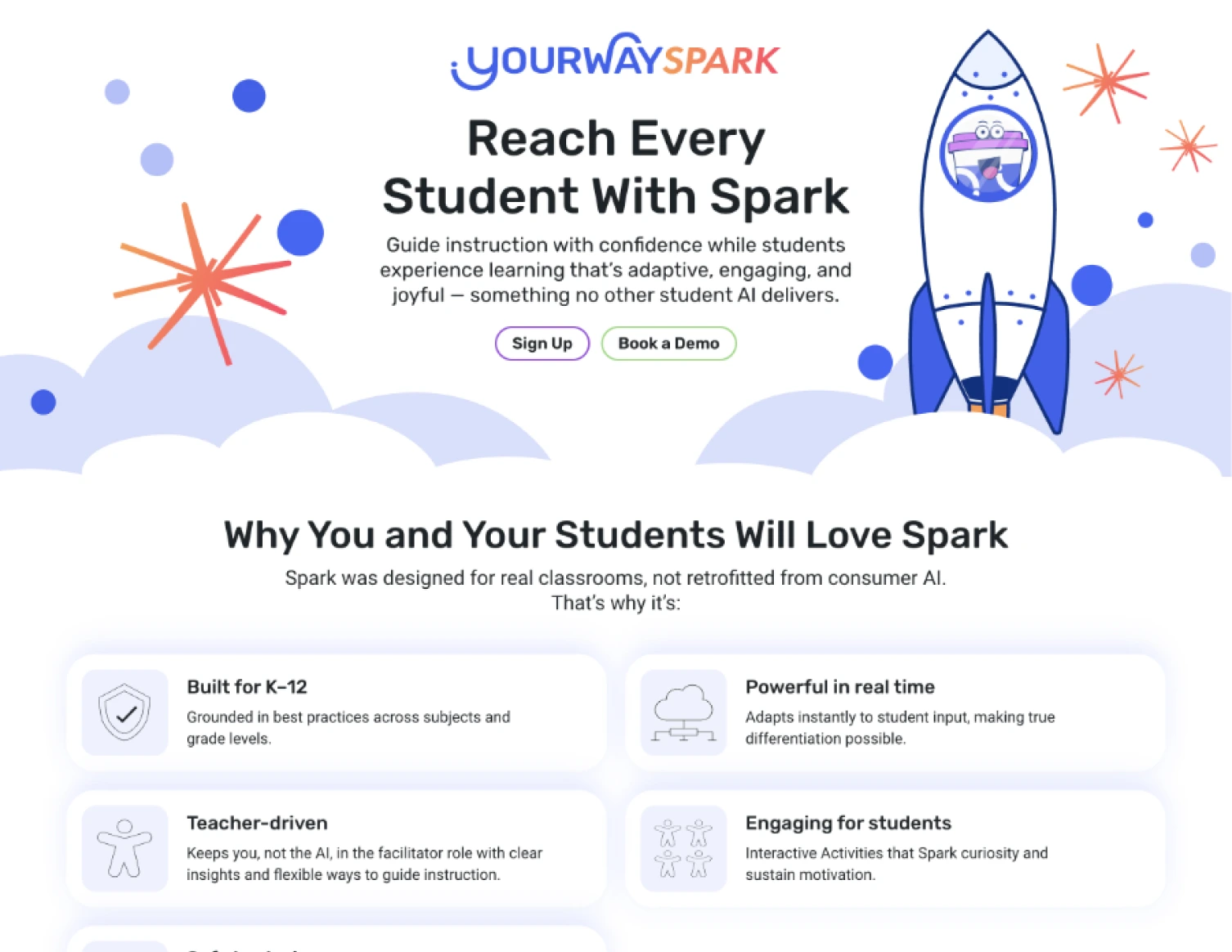
    In 2026 education technology companies are no longer evaluated solely on features or innovation. Decision makers including schools, universities, training providers and education focused organizations are choosing platforms that demonstrate real learning outcomes, strong adoption and long term value. As competition within the EdTech market continues to grow, marketing strategies must evolve to focus on trust credibility and impact.

    Effective EdTech marketing in 2026 centers on outcome driven messaging. Buyers want to understand how an EdTech platform improves student engagement, supports educators, enhances accessibility and delivers measurable learning results. Product led marketing alone is no longer enough. High performing EdTech brands clearly communicate learning outcomes, evidence based results and real world use cases aligned with institutional goals.

    Trust has become one of the most important drivers of growth for EdTech companies. Institutions are making long term investments that affect learners, educators, data infrastructure and compliance requirements. EdTech marketing must clearly address data privacy, student safety accessibility standards and regulatory compliance. Transparent communication around pricing onboarding timelines and platform capabilities reduces friction in the sales process and builds confidence with education buyers.

    Personalization remains a key differentiator in education technology marketing but in 2026 it must be positioned responsibly. EdTech companies need to explain how adaptive learning tools support diverse learning styles while maintaining ethical data usage and educator oversight. Messaging should highlight how personalization enhances learning outcomes without compromising privacy or control.

    Community led growth is playing an increasingly important role in EdTech marketing strategies. Educators and administrators trust peer recommendations more than promotional advertising. Successful EdTech brands leverage educator testimonials, case studies, professional learning communities webinars and practitioner led content to demonstrate credibility and adoption at scale. When educators become advocates, marketing becomes more authentic and sustainable.

    Content marketing continues to be one of the most powerful channels for EdTech growth. Blogs white papers, research reports, videos and guides should educate and empower education buyers rather than simply push conversion. High performing EdTech content focuses on instructional design best practices, digital learning trends, change management strategies and the future of education technology. This approach positions brands as trusted partners rather than software vendors.

    For EdTech companies marketing in 2026 is no longer about shouting louder in a crowded market. It is about clarity, trust and alignment with the real needs of educators, institutions and learners. Brands that lead with transparency value driven messaging and measurable impact will build stronger relationships and long term growth.

    If you are an EdTech company looking to strengthen your marketing strategy, increase adoption and position your brand for long term growth we can help. Our team specializes in EdTech marketing strategy content development lead generation and brand positioning designed to support education focused organizations.

  • Go Do Good Shines at the Tampa Bay Addy Awards

    Go Do Good Shines at the Tampa Bay Addy Awards

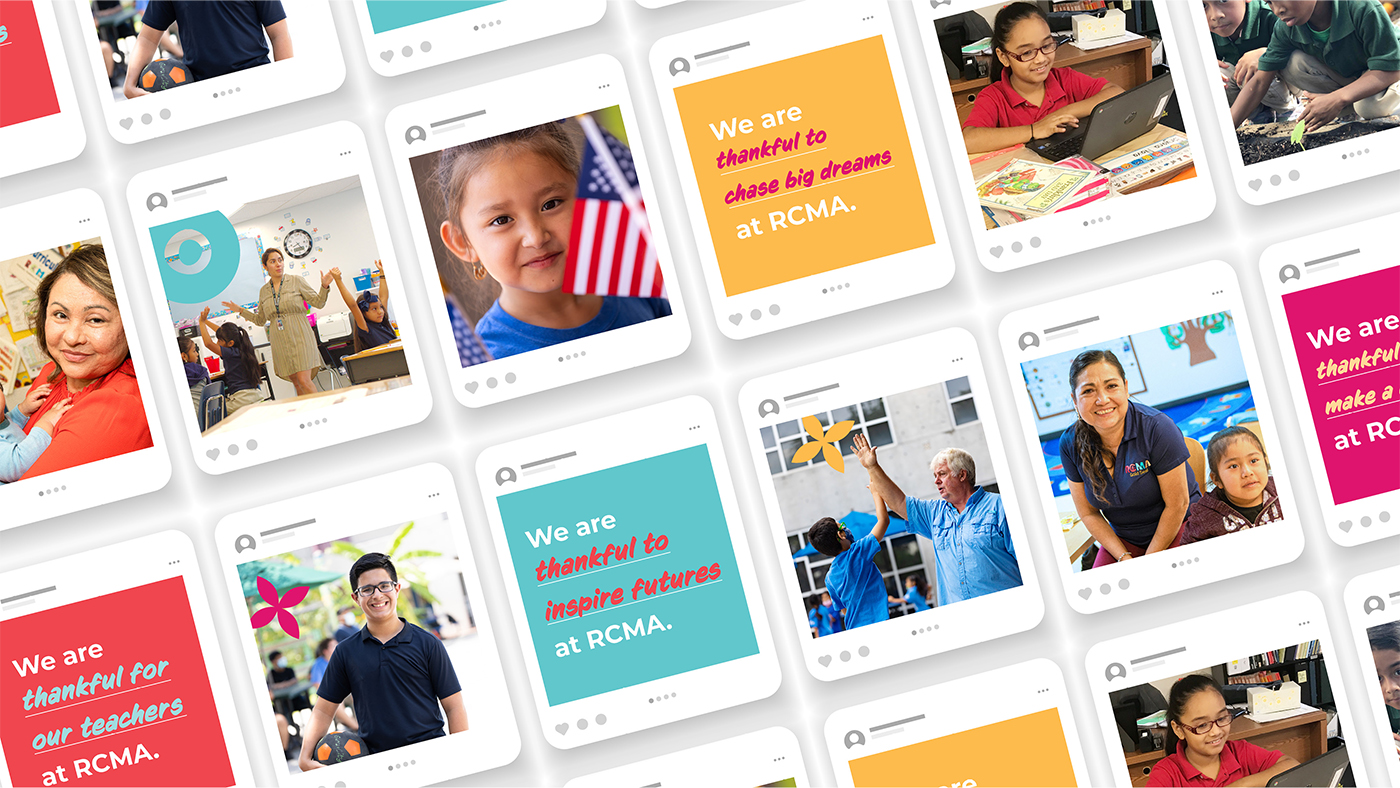
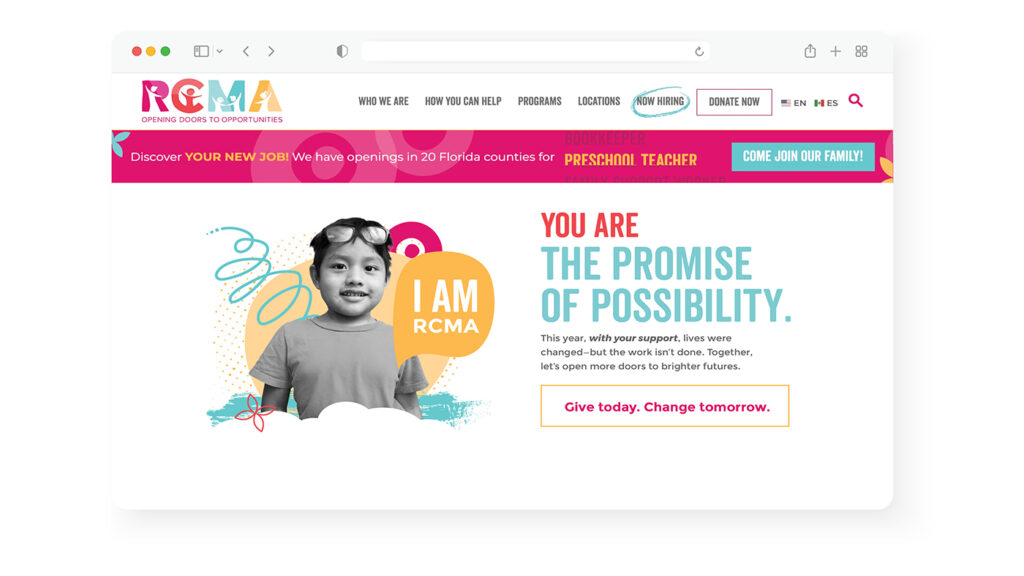
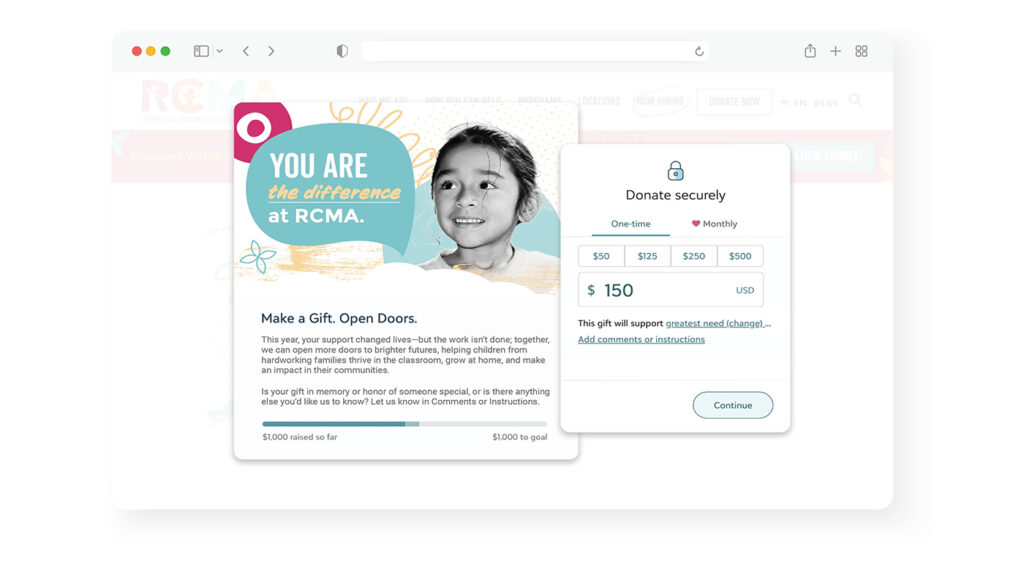
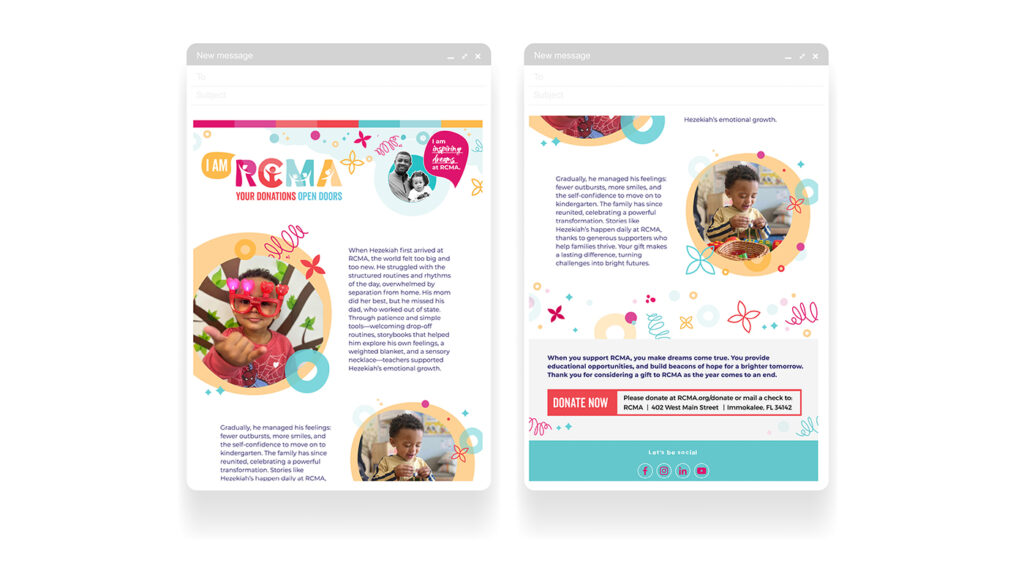
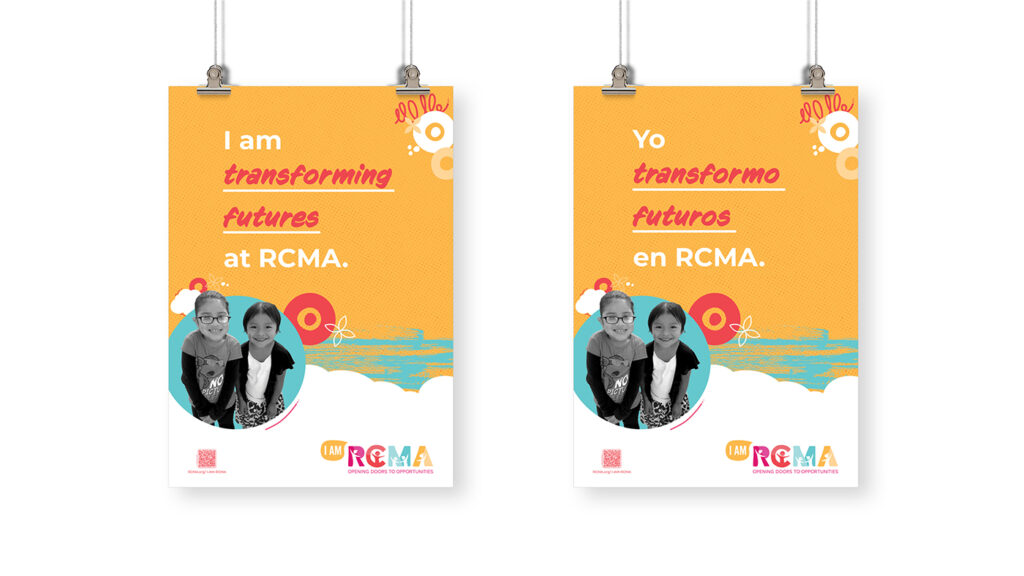
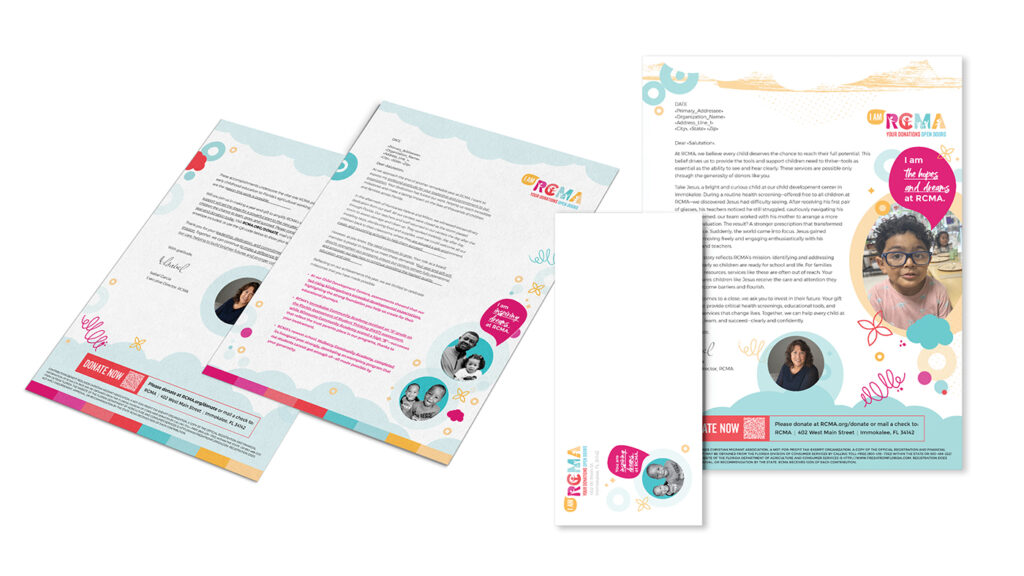
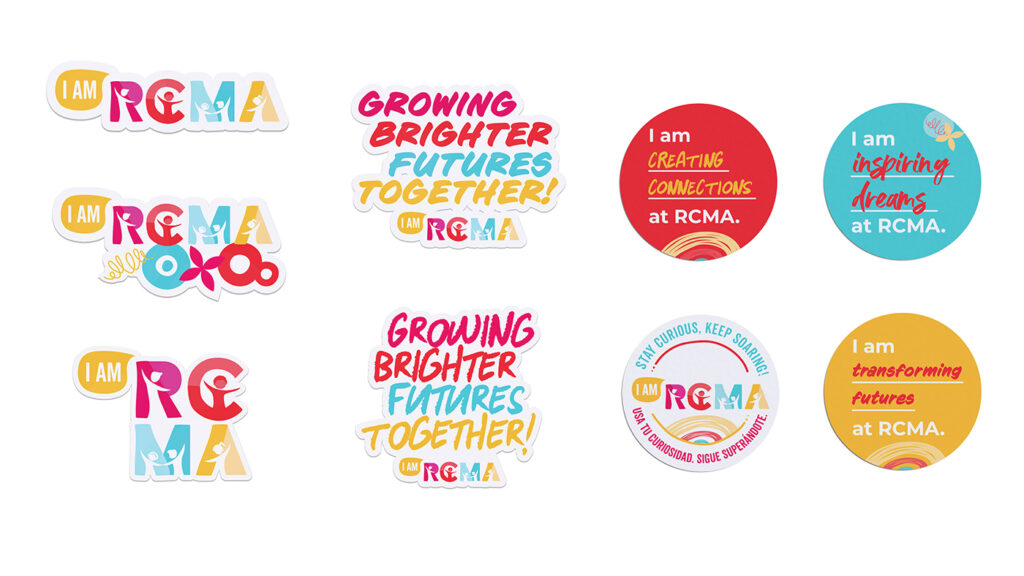
    For the second year in a row, Go Do Good has been recognized at the Tampa Bay American Advertising Awards (ADDYs)—this time for our work on the I AM RCMA campaign. This honor goes beyond an award; it serves as a powerful reminder of how storytelling can drive meaningful, lasting change. The I AM RCMA campaign elevated voices, connected communities, and highlighted the incredible strength behind RCMA’s students, families, and staff.

    2025 Tampa Bay Silver ADDY

    The Honor of a Silver ADDY

    The American Advertising Federation’s ADDY is awarded to work that reflects exceptional creativity and a commitment to socially impactful advertising. Each year, a panel of industry experts evaluates campaigns based on creativity, brand storytelling, audience engagement, and their positive contribution to the community. Earning the Silver Award is a recognition of both innovation and responsibility—defining traits of Go Do Good’s approach to mission-focused marketing. 

    A Campaign Rooted in Connection and Empowerment

    RCMA, a Florida-based nonprofit dedicated to supporting underserved rural communities, needed a campaign that would not only strengthen its brand awareness but also foster deeper engagement among staff, students, and families. The I AM RCMA campaign delivered on both fronts, creating a powerful platform for individuals to see themselves as part of the organization’s mission.

    By centering the campaign around the messages “I am RCMA,” “You are RCMA,” and “We are RCMA,” our team sparked a movement of belonging and pride. Visually, we integrated celebratory graphics and interactive storytelling elements that allowed participants to share their own experiences, strengthening RCMA’s identity from the inside out.

    This inclusive, community-driven approach resonated deeply, reinforcing RCMA’s mission-driven culture and solidifying its role as a trusted resource for education and support.

    A Legacy of Purpose-Led Creativity

    This ADDY recognition is an honor and a testament to the meaningful change our work creates. From raising brand engagement to giving a voice to the people at the heart of RCMA’s mission, this campaign is proof that thoughtful, strategic storytelling can move the needle for organizations that make a difference.

    This isn’t our first time being recognized for purpose-led creativity—last year, we received the 2024 Mosaic ADDY Award and Silver Award for our work championing diversity and inclusion. As we continue to collaborate with impact-driven organizations, we remain committed to creating work that doesn’t just look good—it does good.

    Let’s Create Something Meaningful Together

    If you’re looking for strategic, purpose-driven marketing that amplifies your mission and drives engagement, we’d love to connect. Let’s talk about how Go Do Good can bring your next big idea to life. 

  • 12 Proven Methods to Attract and Retain A High-Performing Marketing Team in Non-Profit Organizations

    12 Proven Methods to Attract and Retain A High-Performing Marketing Team in Non-Profit Organizations

    Hiring in non-profit marketing can be such a challenge. It is difficult to compete with private sector opportunities and to manage the finances and priorities of a non-profit organization. We know what a professional marketing team does for a non-profit organization and we have seen the impact that it can have. That is why we are constantly considering ways that non-profit organizations can attract and retain a high-performance marketing team. These 12 methods will allow your organization to build out your marketing team and attain your goals quickly.

    1. Promote Mission-Driven Work

    First, we begin with a big one! There is an intrinsic reward when you are a part of meaningful change. Your organization should be highlighting success stories and the direct impact that the marketing team has had on the organization’s mission. Professionals are often driven by purpose and this is a method to align career opportunities with similar values. This provides professionals with a sense of fulfillment that tends to transcend traditional job satisfaction. 

    2. Offer Flexible Working Conditions

    In this digital age, candidates want flexibility. Adaptable work arrangements tend to broadly enhance the appeal of a job position. Remote and hybrid work are great places to start. If the organization needs an in-person role, provide flexible working hours and rotating schedules to staff members who may want it. You want to demonstrate a trust-based approach rather than strict office hours. This helps your organization to appeal to those looking for a flexible work environment. 

    3. Provide Professional Development Opportunities

    Your organization should be committed to the continuous education, learning, and growth of your team members. This can be done by offering access to conferences, online courses, and training sessions. These activities empower your team and promote internal skill development. Another benefit is that your staff and potential hires will know that your non-profit organization is committed to the professional advancement of their teams and invests in their professional futures. 

    4. Foster a Collaborative Culture

    Non-profit organizations need to be sure to nurture an environment where collaboration and creativity are encouraged! There should be constant open communication, idea sharing, and cross-departmental projects. This type of culture improves team culture and dynamics, fosters innovation, and makes the work environment of your non-profit organization attractive for those seeking careers where teamwork and collective success are valued. 

    5. Implement a Recognition and Rewards Program

    Ensure that your organization is promoting the achievements of individuals and teams within the organization. This could be on social media, your organization’s intranet, or through an internal or external email blast. Small tokens of appreciation and consistency go a long way amongst a non-profit organization’s marketing team. People appreciate when hard work is recognized and this often results in reinforced positive behavior and team motivation which each contribute to a culture of excellence. 

    6. Offer Competitive Benefits

    This can be a challenge for non-profits that are trying to remain fiscally responsible but grow. Non-profit organizations often face budget constraints but it is clear that offering compelling benefits such as health, retirement, and well-being packages is a clear differentiation amongst job candidates when considering career roles. Insurance providers may be willing to offer better insurance plans when they are partnered with your organization. The partners may also have access to Flexible Spending Accounts (FSAs) which are another benefit for your employees. FSAs allow employees to set aside pre-tax dollars for dependent care and medical expenses. Potential hires will also want strong 401k opportunities. Research what 401(k) plan would be best for your organization and its budget along with the needs of your employees. A great path forward is to partner with a financial services provider that has experience with non-profit organizations. 

    7. Encourage Volunteer Opportunities

    Volunteerism is a great way to boost morale and connection to the mission of your nonprofit organization. This is also a great way for potential hires to engage with the organization and its mission. When potential new hires are immersed in the organization and the impact that it has they are motivated to seek opportunities with similar impact. Volunteer day initiatives are a hands-on level of involvement and deepen the connection to the organization’s cause. This approach is also effective at enhancing job satisfaction, providing a break from the day-to-day, and fostering a stronger commitment to the organization.

    8. Create a Path for Career Progression

    Staff want to know that there is a path to more career opportunities when they come into a new organization. Your current staff also wants to be secure in the opportunities that your organization can offer them in the future. Your organization should outline potential career paths that support these goals of your staff and potential hires. Make sure that your organization has an open forum for discussing career aspirations during performance reviews. This information can also be coupled with mentorship programs that help employees navigate their careers. 

    9. Enhance Team Bonding and Morale

    Always ensure that you are supporting team cohesion and a positive work environment. Activities that build these things such as retreats, team lunches, and creative workshops help to make your team closer, work more effectively together, and create a workplace environment that attracts others. Mutual support and a strong sense of community significantly impact job satisfaction and the performance of your teams. 

    10. Embrace Diversity and Inclusion

    Having a diverse work environment is important because it fosters an environment of different perspectives, knowledge, and ideas. Your organization can offer ongoing diversity and inclusion training for staff members to address unconscious biases. These trainings are proven to create a sense of inclusive communication and educate your staff on the importance of diversity for organizational goals to be attained. Nonprofits often bring in experts to run seminars and workshops while others opt for interactive online modules to facilitate. 

    11. Offer Sabbaticals and Extended Leave Options

    Something newer would be sabbatical and extended leave options. These benefits are unique and provide employees with personal development and regeneration opportunities. These benefits programs also demonstrate the long-term commitment of the organization to employee well-being. These benefits can also be used for staff to embrace professional development opportunities which will provide a reciprocal benefit to the organization. It is clear that although unique, this type of benefit creates attractive opportunities for new candidates and employees. 

    12. Incorporate Employee Feedback into Decision Making

    Listening to your audience is so important. Both internally and externally your organization needs to have an open ear for feedback from stakeholders. Create channels for this regular feedback so that the organization’s employees have a hand in shaping strategy and policy. This empowers your staff and shows potential hires that their voice will be heard in the organization. When your organization goes down this path, the organization’s workforce will feel heard and valued. This is crucial if you want to foster loyalty and a sense of ownership amongst staff. 

  • Digital Marketing Strategies for Nonprofits on a Budget

    Digital Marketing Strategies for Nonprofits on a Budget

    Nonprofits can find unique and creative ways to promote their good works to the public, no matter their budget.

    Digital marketing comes in all shapes and sizes and at all price points. Some aspects of digital marketing, like Google’s Pay-Per-Click ad feature, are as effective and helpful as one is willing to spend money on them. However, some digital marketing techniques can produce incredible results with little financial cost.

    Nonprofit Digital Marketing

    Nonprofit digital marketing is essential for nonprofits to stand out, inform the community of their good works, and earn support through donations and volunteer hours. But as the internet becomes increasingly competitive, nonprofits must get creative in securing visibility.

    The Importance of Online Visibility

    Achieving online visibility can seem challenging at first. Google reported 1.13 billion online websites, with as many as 50 billion individual website pages.

    Google also recorded about 1.48 million 501(c)(3) nonprofits in the United States. The competition for the coveted attention of online audiences is high, and garnering online visibility has never been more important for nonprofits. No online visibility means no attention from an audience, which in turn means no support, donations, or volunteer sign-ups.

    Five Budget-Friendly Strategies for Branding a Nonprofit

    The internet is now the primary location where nonprofits showcase their work. That can take many forms, from a well-designed website to an interactive app, email newsletter, digital ad campaign, and social media posts. Some digital marketing tools can be expensive, but budget-friendly strategies for promoting a nonprofit exist, including tools and strategies like:

    • Asking for reviews and testimonials. Social proof is everything in the online world, and it costs nothing to ask someone who has worked for, volunteered with, or been helped by a nonprofit to leave a review or write a testimonial.
    • Opting for email campaigns over print mailers. Email templates are endlessly customizable, and for a small monthly subscription to an email hosting service, one can send emails to thousands of subscribers for a fraction of the cost of using print mail.
    • Posting often, but being intentional about it. It costs nothing to create social media profiles, and it’s free to post. Nonprofits should build an online presence via frequent social media posts, but they should be intentional about it and only create unique, original, and interesting content.
    • Encouraging online engagement. Every time a nonprofit posts on social media, they should encourage engagement by asking followers to like, comment, and share.
    • Writing a blog and posting it on social media and in emails. Websites with frequently added blog posts rank higher on Google and become more interesting and relevant to the nonprofit’s audience. One should write a weekly blog post and include it in the newsletter. Mentioning the blog in social media posts is also a good idea.

    Sulzer Inc. Creates Cost-Effective Digital Tactics in Nonprofit Marketing

    Nonprofits focus most of their available funds on their mission and purpose, so it’s not uncommon for such organizations to hit budget constraints when it comes time to market and brand the organization’s activities and good works. Thankfully, Sulzer Inc. can offer cost-effective digital tactics for nonprofits.
    Sulzer’s mission is to help nonprofits by tapping into the passion and drive that fuels them while simultaneously leveraging time-tested, strategic experience to publicize the supreme goodness of nonprofits for all to see. Nonprofits who work with Sulzer observe significant brand elevation, a rush of new supporters, regular donation increases, record audience growth, and higher engagement. Contact Sulzer Inc today to get started.

    , ,
  • Why branding is at the heart of your business

    Why branding is at the heart of your business

    When brand(ing) comes up in a meeting, it often means different things to different people, and many executives, entrepreneurs and staff speak of brand(ing) as a startup exercise. They may be thinking branding is complete once the logo, color pallet, fonts, tag lines, icon, etc. are determined. The reality is there is some confusion surrounding the meaning of brand(ing) and how it should be executed and operationalized within organizations big and small.

    In order for a successful brand to happen, there needs to be a well thought out idea developed through strategic brainstorming to formulate the best brand that distinguishes your business and sets you apart from your competitors.

    Sulzer Inc believes brand(ing) is a concept not fully understood, and very often under appreciated. At Sulzer Inc, we are experts at helping businesses find their brand. Our agency has helped guide a wide range of organizations, from passionate startups and not-for-profits, to fortune 1000 brands define and unlock the power of their brand. We’ve helped refresh and reposition mature brands and built new brands from scratch. We are most often hired by the entrepreneur, marketing director, CMO or executive team. On occasion we assist venture firms or private equity groups in driving the business to help explore and define the brand’s relevance and reason for being. After working with so many different teams to develop and refresh brands, Sulzer has come to the realization that brands are living and breathing things. They are complex, and like great people, great brands have a soul, personality and behaviors that differentiate them from others. They leave impressions and invite folks to engage. Great brands are interesting and clearly articulate why people need them.

    Brand(ing) has many parts.

    Why do so many entrepreneurs and leadership teams who talk about brand(ing) not understand its full potential as a business asset? Many see it as a single thing instead of its entirety. Many mistakenly see brand(ing) as the logo, fonts, ad campaigns or what the packaging graphics look like. They fail to recognize the power that a fully articulated brand strategy holds when deployed across all areas of the organization.

    Take a minute to think about an event or a performance that stands out to you, that made an impression on you. You thought about that event for days afterwards. Now think about why it was so memorable? Why are some people so fascinating, so memorable? The impression we create when we meet other people is formed by the way we act, the way we talk, look and dress and the value we deliver. In the same way we form impressions about people, we form impressions about brands. Brand(ing) is the impression we have of a product or a service and is based on all our experiences and interactions with it. Everything a brand does matters.

    Brand(ing) is a living thing.

    Like humans, brands are alive and have personality and character. Think of a brand like a person living with a real purpose, adding value to people’s lives and operating with a set of guiding beliefs. Brands first need to be clear on why they exist and what they are trying to accomplish. Once you have a brand’s purpose, then you can work on messaging that is relevant and memorable. Just like a person who operates with integrity, a brand should have a clearly defined set of principles and values that guide how it operates. The principles form the foundation of the brand. Those combined with a clear mission and a clear strategy, give the brand a working foundation and strategy that supports and drives the organizational agenda and mission.

    Brand(ing) differentiates.

    Just like memorable people, brands that stand out from the crowd do so because they draw interest and are memorable and different. Interesting brands are relevant, engaging, informative and often, brave. They take a stand for or against something and have the confidence to stand up for what they represent. People remember compelling brands and know what to expect from them.

    Your brand is one of the most important assets you possess to drive and differentiate your business. If your brand is not clearly defined, understood and articulated by the entire organization, it will never realize its full potential to impact your organization. It’s important to ensure that there is understanding and clarity around what brand(ing) means in business terms and what it can do to drive innovation. Your brand is one of the most powerful drivers for engagement and performance across all areas of your business.

    Brand(ing) does not belong to marketing.

    Every CEO must be the leading brand ambassador and ensure every department head understands how to bring the brand to life. Many executives believe branding is the responsibility of the marketing director and his or her department. But just as culture isn’t the sole responsibility of HR, brand(ing) is not the sole responsibility of marketing. While the execution of many dimensions of brand(ing) typically reside with the marketing department, the entire executive team has the responsibility to ensure they understand and promote the brand every chance they get. Every department in the organization has a role to play in following through and executing on the “brand promise.” Having an effective brand can give you a competitive edge in a competitive marketplace.

    ,
  • Strategic Branding for Social Impact: A Case Study Analysis

    Strategic Branding for Social Impact: A Case Study Analysis

    Case studies of branding campaigns allow nonprofits to see what works in getting their message out.

    Every action a nonprofit takes to get its mission and message to its target audience is a step in the right direction, but not all actions are created equal. Nonprofits should implement strategic branding so their message reaches the right audience, in the right way, at the correct time, and delivered in a way that is compelling and persuasive.

    Year Up Implemented Strategic Branding to Get Its Message to the Public

    A great way to learn about the power of strategic branding is to study examples where branding was effectively implemented. In one such example, the nonprofit Year Up identified its mission, vision, goals, and strategy, and then the nonprofit conceptualized all of those elements into nuanced and intentional brand messages.

    For example, Year Up’s mission statement is:

    • “Year Up’s mission is to close the Opportunity Divide by ensuring that young adults gain the skills, experiences, and support that will empower them to reach their potential through careers and higher education.”

    And the group’s vision is:

    • “In the future, every young adult will be able to reach their full potential.”

    Mission and vision statements are essential for nonprofits, as they clearly articulate what the nonprofit is all about. Year Up went a step further. The organization identified its “why” and published it on their website and in social media campaigns:

    • “We believe that every young adult has potential and deserves opportunity and economic justice. Year Up is committed to ensuring equitable access to economic opportunity, education, and justice for all young adults—no matter their background, income, or zip code. Employers face a growing need for talent while millions are left disconnected from the economic mainstream. These inequities only further perpetuate the Opportunity Divide that exists in our country—a divide that Year Up is determined and positioned to close.”

    Every word in the Mission Statement, Vision, and Why was carefully chosen to reflect the nonprofit, its intent, and its approach to tackling the problems at hand.

    A Positive Social Impact, Well Documented

    Further analysis of Year Up reveals the organization closely documents its social impact to inspire nonprofit members and attract new support. For example, the organization released a series of strategic branding messages depicting the nonprofit’s Grads for Life program and its YUPRO Placement program.

    Once Year Up’s audience understood the nonprofit’s various programs, the organization began publishing statistics showcasing the successes of those programs. The organization laid claim to:

    • 30+ campuses nationwide
    • 43,000+ students served to-date
    • 90% corporate partner satisfaction rate
    • $52,000 average annual starting salary for Year Up grads
    • 80% of graduates employed and/or enrolled in postsecondary education within four months of program completion

    Last but not least, Year Up also publishes thorough, rigorous evaluations of its programming. From a branding perspective, the proofs and analyses presented in these reports brand Year Up as an effective and committed nonprofit worthy of support.

    Sulzer Inc. Creates Effective Nonprofit Brand Strategy by Leveraging Case Study Analysis 

    The most compelling nonprofit brand strategy is one that produces a case study analysis and makes it available to the public. Community members support nonprofits when those organizations document their good works and present that documentation in an easily digestible and clear way. Sulzer, Inc. leverages its ability to create case study analyses to help nonprofits earn new supporters, increase monthly donations, grow their audience, and enhance engagement. Contact Sulzer Inc. today to get started.

Work with Us