• Go Do Good Announces Strategic Partnership with Mercy Chefs to Support Digital Growth and Expanded Impact Across the World in 2026

    Go Do Good Announces Strategic Partnership with Mercy Chefs to Support Digital Growth and Expanded Impact Across the World in 2026

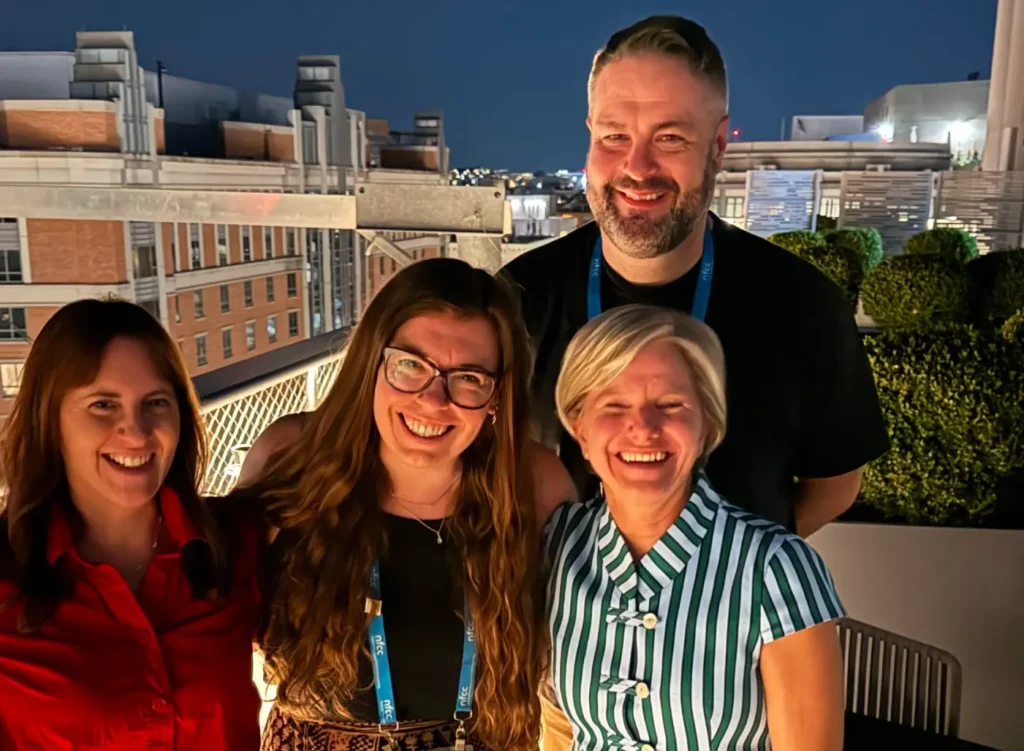
    Tampa, FL — Go Do Good, a purpose-driven creative and marketing agency, today announced a new strategic partnership with Mercy Chefs, a nonprofit organization known for providing chef-prepared meals in response to natural disasters and humanitarian crises across the globe.

    Go Do Good partners with organizations whose purpose is people, helping mission-driven teams turn clarity into connection and connection into action. This collaboration reflects a shared commitment to ensuring that meaningful work is communicated with clarity, intention, and impact.

    Mercy Chefs has built a national and global reputation for delivering restaurant-quality meals in times of crisis. From disaster relief efforts to ongoing community support, their work is grounded in dignity, care, and responsiveness. As demand for their services continues to grow, the organization is entering a new phase focused on scaling both operations and outreach.

    “At a time when both speed and trust matter, Mercy Chefs continues to lead with both,” said Go Do Good. “This partnership is about strengthening how that impact is experienced and understood by the people who support it.”

    Building a Digital Experience That Matches the Mission

    As part of the partnership, Go Do Good is leading the development of a new website for Mercy Chefs. The initiative is designed to better reflect the scale of the organization’s work while improving accessibility, clarity, and user engagement.

    For Mercy Chefs, the website serves as a critical front-facing platform where donors, volunteers, and partners make decisions to engage. As the organization has expanded, the need for a more streamlined and scalable digital experience has become increasingly important.

    The new website will focus on:

    • Streamlining pathways for donors and supporters
    • Clarifying messaging across programs and impact areas
    • Creating a more intuitive and accessible user experience
    • Supporting future growth through a flexible and scalable structure

    This effort extends beyond design. It is a strategic alignment of Mercy Chefs’ digital presence with the reality and urgency of its mission.

    Turning Engagement Into Action

    While awareness for mission-driven organizations is often strong, conversion remains a key challenge. Mercy Chefs has a compelling and proven impact story. The opportunity lies in translating that story into a digital experience that enables immediate and meaningful action.

    Through a combination of clear messaging, thoughtful user experience design, and action-oriented structure, the new platform will support deeper engagement. The goal is to convert interest into participation by making it easier for individuals to contribute as donors, volunteers, and advocates.

    A Partnership Rooted in Purpose

    This collaboration is grounded in a shared belief that impactful work deserves to be clearly seen, understood, and supported.

    Mercy Chefs exemplifies that belief through its direct, compassionate response to communities in need. Go Do Good’s role is to help expand the visibility and accessibility of that work without changing its core identity.

    The new website is currently in development, with a focus on creating a digital experience that honors the mission while extending its reach.

    Because when impact is this real, how it shows up matters. And when it shows up clearly, more people step in to help.

    All photos provided by the Mercy Chefs Team.

  • 7 Critical Ways a Modern Website Drives Organizational Impact and Revenue Growth in 2026

    7 Critical Ways a Modern Website Drives Organizational Impact and Revenue Growth in 2026

    In today’s digital-first landscape, your website is no longer just an online brochure. It is your organization’s most powerful revenue-generating tool, your 24/7 fundraising engine, and often the first impression potential donors, volunteers, and partners will have of your mission. Yet too many organizations are leaving money on the table and limiting their impact because of outdated websites that frustrate users and fail to convert visitors into supporters.

    If your website was built more than three years ago and has not been updated, you are likely experiencing lower donation conversion rates, higher bounce rates, and missed opportunities to engage your audience. The good news is that modernizing your website can predictably scale your organization’s impact and revenue. Here are seven critical ways a modern website drives organizational growth in 2026.

    1. Mobile Responsiveness Unlocks Your Largest Audience Segment

    Mobile traffic now accounts for over 60% of all web visits, and for non-profit organizations this number is even higher. Your audience is checking your website from their phones while commuting, during lunch breaks, and in the moments when they feel most inspired to give. If your website does not deliver a seamless mobile experience, you are losing donations before the conversation even starts.

    A mobile-responsive website automatically adjusts its layout, images, and functionality to fit any screen size. This means your donation forms work perfectly on smartphones, your navigation is thumb-friendly, and your compelling stories are just as powerful on a small screen as they are on a desktop monitor. Organizations that have prioritized mobile responsiveness report donation increases of 30 to 50 percent simply by removing friction from the mobile giving experience.

    Make sure your website design is mobile-first, meaning it is built primarily for mobile devices and then enhanced for desktop. Test your donation pathway on multiple devices regularly and use tools like Google’s Mobile-Friendly Test to identify areas for improvement. Your mobile experience should be frictionless, fast, and designed with the user’s thumb in mind.

    2. Page Speed Optimization Directly Impacts Your Bottom Line

    Every second counts when it comes to page load speed. Research shows that 53% of mobile users abandon a site that takes longer than three seconds to load. For non-profit organizations, this translates directly to lost donations, missed volunteer sign-ups, and reduced program awareness. Slow websites also damage your credibility and make visitors question whether your organization is professional enough to handle their contributions responsibly.

    Modern websites are optimized for speed through compressed images, efficient code, content delivery networks, and strategic caching. Organizations that improve their page speed from five seconds to two seconds typically see a 20 to 30 percent increase in conversion rates across all actions, from newsletter sign-ups to donation completions.

    Use Google PageSpeed Insights to diagnose your website’s performance and get specific recommendations for improvement. Focus on optimizing your largest images first, as these are often the biggest culprits in slow load times. Consider implementing lazy loading for images below the fold so that your critical content loads immediately while less important elements load as users scroll. If your website is hosted on a shared server, it may be time to upgrade to a managed hosting solution that prioritizes performance.

    3. Accessibility Standards Expand Your Reach and Demonstrate Your Values

    Accessibility is not just about compliance with the Americans with Disabilities Act. It is about ensuring that everyone, regardless of their abilities, can engage with your mission and contribute to your cause. Approximately 26% of adults in the United States have some type of disability, and many more experience temporary limitations like broken arms or situational constraints like bright sunlight on their screens.

    Modern websites incorporate accessibility standards from the ground up. This includes proper heading structure for screen readers, sufficient color contrast for users with visual impairments, keyboard navigation for those who cannot use a mouse, and alt text for images that conveys meaning to those who cannot see them. These features do not just help people with disabilities. They improve the user experience for everyone and demonstrate that your organization truly values inclusivity.

    Start by running your website through WAVE, the Web Accessibility Evaluation Tool, to identify accessibility issues. Focus on quick wins like adding alt text to images, ensuring your heading tags are in logical order, and checking that your color contrast meets WCAG 2.1 AA standards. Accessibility is an ongoing commitment, not a one-time checkbox.

    4. Strategic Donation Pathway Design Transforms Visitors into Donors

    Your donation pathway is the journey a visitor takes from first considering a contribution to completing the transaction. Every step in this pathway is an opportunity to inspire action or create friction that causes donors to abandon the process. Modern websites treat donation pathways as their most valuable real estate, designing them with the same care and attention that e-commerce sites give to their checkout processes.

    A well-designed donation pathway includes a compelling call to action that is visible on every page, a streamlined form that asks for only essential information, clear impact statements that show donors exactly what their contribution will accomplish, multiple payment options including digital wallets and recurring giving, and immediate confirmation with next steps for engagement. Organizations that optimize their donation pathways report conversion rate improvements of 50 to 100 percent compared to generic, multi-step forms buried in their navigation.

    Analyze your current donation pathway using Google Analytics to identify where users are dropping off. Test different donation amounts, experiment with suggested giving levels that align with specific program costs, and always include a recurring giving option prominently displayed. Make sure your donation page loads quickly and works flawlessly on mobile devices.

    5. SEO Infrastructure Ensures Your Mission Gets Discovered

    Search Engine Optimization is how your organization gets found by people who are actively searching for causes like yours, programs you offer, or ways to make an impact in your community. A modern website is built with SEO infrastructure from the foundation up, making it easy for search engines to understand, index, and rank your content. This is not about gaming the system. It is about making sure your valuable content reaches the people who need it most.

    Effective SEO infrastructure includes clean URL structures, proper meta descriptions and title tags, strategic keyword placement in headers and content, internal linking that guides users and search engines through your site, mobile optimization, fast load speeds, and schema markup that helps search engines understand your content. Organizations with strong SEO see 50 to 70 percent of their website traffic coming from organic search, which represents an ongoing source of new supporters that costs nothing beyond the initial investment.

    Start with keyword research using tools like Google Trends, AnswerThePublic, or free trials of tools like SEMrush. Understand what your audience is actually searching for and create content that answers their questions. Make sure every page on your website has a unique, descriptive title tag and meta description. Create valuable content consistently. Blog posts, program updates, impact stories, and educational resources all signal to search engines that your website is active and authoritative.

    6. Analytics Integration Enables Data-Driven Decision Making

    You cannot improve what you do not measure, and a modern website makes it easy to track every meaningful interaction your visitors have with your organization. Analytics integration transforms your website from a static digital presence into a learning system that continuously provides insights into what is working, what is not, and where your biggest opportunities lie.

    Modern analytics go far beyond counting page views. They track specific events like donation form starts and completions, video plays, document downloads, email sign-ups, and outreach form submissions. This data reveals exactly where users are getting stuck in your conversion pathways and which content resonates most with your audience. Organizations that embrace analytics-driven optimization make better decisions faster and see continuous improvements in their website performance.

    Implement Google Analytics 4 and Google Tag Manager on your website. Set up conversion tracking for all your key actions including donations, volunteer applications, newsletter sign-ups, and event registrations. Create custom dashboards that show your most important metrics at a glance. Review your data monthly and look for patterns. Use A/B testing to experiment with different headlines, calls to action, and page layouts. Let the data guide your decisions rather than assumptions or personal preferences.

    7. User Experience Design Builds Trust and Drives Action

    User experience design is the practice of creating websites that are intuitive, enjoyable, and effective at helping users accomplish their goals. Great user experience design is invisible. Users do not notice it consciously, but they feel the difference between a website that anticipates their needs and one that creates confusion and frustration. In the non-profit space, positive user experiences build trust, which is essential for securing donations and long-term support.

    Modern user experience design principles include clear navigation that helps users find what they need in three clicks or less, consistent branding and design elements throughout the site, compelling storytelling that connects emotionally with visitors, prominent and persuasive calls to action, fast load times and smooth interactions, and intuitive forms that guide users through completion. Organizations with strong user experience design see higher engagement rates, longer session durations, and significantly better conversion rates across all goals.

    Conduct user testing with real people from your target audience. Watch how they navigate your website and note where they get confused or frustrated. Use heatmap tools like Hotjar or Microsoft Clarity to see where users are clicking and how far they are scrolling. Simplify your navigation by grouping related content and using clear, descriptive labels. Make your most important content and calls to action immediately visible on your homepage. Remember that every element on your website should serve a purpose. If it does not help users understand your mission, take action, or find information, consider removing it.

    Investing in a modern website is not just about keeping up with technology trends. It is about maximizing every opportunity to advance your mission, engage your supporters, and drive measurable revenue growth. Your mission deserves a website that works as hard as you do.

  • 8 SEO Strategies Every Nonprofit Marketing Leader Needs to Drive Donor Retention and Long-Term Growth

    8 SEO Strategies Every Nonprofit Marketing Leader Needs to Drive Donor Retention and Long-Term Growth

    You spent time, energy, and budget acquiring your donors. You built out a retention strategy to keep them. Now here is the question that too many nonprofit marketing leaders forget to ask: Can the right people even find you in the first place?

    Search Engine Optimization is the bridge between your mission and the audience that needs to hear it most. And when it comes to donor retention specifically, SEO is not just about ranking on Google. It is about showing up consistently, building trust over time, and making sure that every donor who Googles your organization or the cause you champion finds compelling, credible, and conversion-ready content waiting for them.

    If our last article on donor retention got you thinking about how to deepen relationships with your existing supporters, this one is about making sure your digital presence is working just as hard as your team is. Here are 8 SEO strategies built specifically for nonprofit marketing leaders who are serious about sustainable growth.

    1. Build a Keyword Strategy Around Your Mission, Not Just Your Organization

    Most nonprofits make the same SEO mistake. They optimize their website for their organization’s name and nothing else. The problem? People who do not already know you exist are not searching for your name. They are searching for the cause, the solution, or the community that your organization provides.

    Start by identifying the keywords and phrases your ideal donor, volunteer, or community member is actually typing into Google. Tools like Google Trends, AskThePublic.com, and Google’s free Keyword Planner are great starting points. Build your content strategy around the problems your audience is searching for answers to, and position your organization as the trusted resource that provides them. This is how you attract new audiences and re-engage existing donors who are actively researching your cause.

    2. Optimize Every Page of Your Website for Search Intent

    Having a website is not enough. Every page on your site needs to be intentionally optimized to match what your audience is searching for and what action you want them to take next. This means clear and keyword-rich page titles, compelling meta descriptions, well-structured headers, and body content that actually answers the questions your audience is asking.

    Pay special attention to your donation pages, program pages, and your About page. These are the highest-traffic pages for most nonprofit organizations and are often the most under-optimized. Use Google Search Console to identify which pages are already getting search impressions so you know exactly where to focus your optimization efforts first.

    3. Create a Blog Content Strategy That Serves Your Donor at Every Stage

    Content marketing and SEO are inseparable. If your nonprofit is not consistently publishing blog content, you are leaving an enormous amount of organic search visibility on the table. More importantly, you are missing a massive opportunity to nurture donor relationships between campaigns.

    Think about the questions your donors are asking before, during, and after they give. Create content that addresses each of those stages. Educational articles about your cause area attract cold audiences. Impact stories and program updates deepen trust with existing donors. Behind-the-scenes content builds the kind of emotional connection that converts one-time givers into long-term supporters. A blog that serves your donor’s journey is also a blog that ranks, and both of those outcomes are exactly what your organization needs.

    4. Prioritize Local SEO to Strengthen Community Visibility

    For most nonprofit organizations, the community you serve is your most important audience. And yet, local SEO is one of the most consistently overlooked opportunities in nonprofit digital marketing. Start by claiming and fully optimizing your Google Business Profile. Make sure your organization’s name, address, and phone number are consistent across every online directory and citation source.

    Encourage your donors, volunteers, and community partners to leave Google reviews. This is one of the most powerful local ranking signals available to you, and it costs absolutely nothing. Local SEO also supports donor retention by keeping your organization top of mind in the searches that your existing community is already conducting on a regular basis.

    5. Use Your Donor Retention Content as SEO Fuel

    Here is a strategy that ties directly into the retention work your organization should already be doing. Every piece of content you create for donor stewardship, including impact reports, success stories, program updates, and beneficiary spotlights, can and should be repurposed and published as SEO-optimized web content.

    That monthly impact email you send to your donor list? Turn it into a blog post. That testimonial video from a program participant? Embed it on a landing page with a keyword-rich transcript. That annual report? Break it into multiple shareable content pieces that live permanently on your site and continue driving organic traffic long after your campaign is over. Your retention content is one of your most powerful and underutilized SEO assets.

    6. Improve Your Website’s Technical SEO Foundation

    Great content will only take your nonprofit so far if the technical foundation of your website is working against you. Google rewards websites that load fast, work flawlessly on mobile devices, and are structurally easy for search engine crawlers to navigate. Use Google PageSpeed Insights to diagnose speed and performance issues on your site. Make sure your website is secured with HTTPS. Ensure that your site structure, internal linking, and URL formatting are all clean and logical.

    These are not glamorous fixes. But they are the foundation that everything else sits on. A well-optimized technical infrastructure means that every piece of content you publish has the best possible chance of ranking, and every donor who finds you through search lands on an experience worthy of their trust.

    7. Build Backlinks Through Mission-Aligned Partnerships

    Backlinks, which are links from other reputable websites pointing to yours, are one of the most powerful ranking signals in Google’s algorithm. And for nonprofits, earning high-quality backlinks is far more accessible than most marketing leaders realize.

    Think about the community partnerships, media relationships, and coalition memberships your organization already has. Each one of those is a potential backlink opportunity. Ask partner organizations to link to your website from their resources pages. Submit your organization to nonprofit directories and grant databases. Pitch your story to local news outlets and mission-aligned media publications. Every quality backlink your organization earns tells Google that your website is credible, authoritative, and worth ranking, and it tells your donors the same thing.

    8. Track, Measure, and Adapt with the Right Analytics Tools

    If you have been following our content for any length of time, you know we are going to say this. Data is non-negotiable. SEO without measurement is just guesswork, and your organization cannot afford that. Set up Google Analytics 4 and Google Search Console as your baseline. These two free tools together will tell you which pages are ranking, which keywords are driving traffic, how long visitors are staying on your site, and where they are dropping off in your donation funnel.

    Build a monthly reporting rhythm where your team reviews these metrics and uses them to inform your next round of content and optimization decisions. SEO is not a one-time project. It is an ongoing, compounding investment. The organizations that treat it that way are the ones that wake up two years from now with a dominant search presence, a growing donor base, and a digital engine that works for their mission around the clock.

    SEO and donor retention are not two separate strategies. They are two sides of the same coin. One brings your supporters to you. The other keeps them. Together, they build the kind of digital foundation that allows your nonprofit organization to grow its reach, its revenue, and its real-world impact consistently and sustainably.

    ,
  • How Mental Health Nonprofits Are Using Strategic Marketing to Increase Impact in 2026

    How Mental Health Nonprofits Are Using Strategic Marketing to Increase Impact in 2026

    Mental health nonprofits operate at one of the most critical intersections of care, trust and urgency. In 2026 demand for mental health services continues to rise while funding pressure, staffing shortages and burnout place increasing strain on nonprofit organizations. At the same time expectations around visibility transparency and accountability are higher than ever.

    Through ongoing work with mental health focused nonprofit organizations a clear pattern has emerged. When marketing strategy brand positioning and agency support are aligned intentionally nonprofits create more capacity to focus on care community and mission impact.

    The Marketing Challenges Facing Mental Health Nonprofits

    Marketing for mental health organizations carries unique responsibility. Messaging must be accurate, compassionate and stigma reducing while also driving awareness funding and engagement. Many nonprofit leaders hesitate to prioritize marketing fearing it may feel transactional or distract from the mission.

    However inconsistent or reactive nonprofit marketing often leads to the opposite outcome. Without a clear strategy organizations struggle with low visibility donor confusion and underperforming fundraising campaigns. Internal teams are then forced to manage marketing alongside emotionally demanding service delivery roles.

    In 2026 successful mental health nonprofit marketing is not optional outreach. It is mission critical infrastructure.

    Brand Positioning Builds Trust and Psychological Safety

    Strong brand positioning is one of the most powerful tools mental health nonprofits can invest in. Brand positioning is not about polish or corporate identity. It is about clarity, consistency and trust.

    Effective mental health nonprofit brands clearly communicate who they serve, how they support mental wellbeing and what outcomes they create. Consistent language tone and visual identity help reduce stigma, build credibility and create a sense of safety for donors, partners and service users alike.

    Clear brand positioning also reduces internal strain. Staff no longer need to constantly re-explain the mission or adjust messaging. This creates alignment and emotional sustainability within teams.

    Marketing Systems Create Capacity Not Pressure

    One of the most important shifts we see among high impact mental health nonprofits is the move from task based marketing to systems based marketing. Instead of reacting to campaign deadlines or funding needs these organizations build repeatable marketing systems.

    This includes defined messaging frameworks, content planning cycles, donor communication journeys and education focused outreach strategies. Systemized marketing reduces decision fatigue and allows teams to operate with clarity rather than urgency.

    For mental health nonprofits where emotional energy is a limited resource this shift is essential.

    Why Agency Support Helps Mental Health Nonprofits Scale Sustainably

    Mental health nonprofits that grow sustainably in 2026 rarely do so alone. They intentionally use marketing agencies as an extension of their internal team.

    Agency partners handle strategy development content creation, digital marketing performance tracking and optimization. This allows nonprofit staff to remain focused on service delivery program development and community care.

    Hiring an agency does not reduce control. It increases capacity. Nonprofits gain access to specialized expertise without the cost or management burden of expanding internal teams. Resources are used more efficiently and marketing outcomes improve.

    Reducing Burnout While Increasing Mission Impact

    Burnout is one of the most serious challenges facing mental health nonprofit teams. When staff are responsible for both emotional labor and operational execution sustainability becomes impossible.

    Strategic marketing support protects people. By removing marketing execution pressure from internal teams, nonprofits create space for empathy, reflection and care. This is not a luxury. It is essential to long term mission success.

    Organizations that invest in support systems for their teams are better positioned to support their communities.

    What This Means for Mental Health Nonprofits in 2026

    A clear pattern is emerging across the social impact sector. Mental health nonprofits that invest in strategic marketing, clear brand positioning and trusted agency partnerships are not becoming more commercial. They are becoming more resilient.

    • They reach the right audiences with the right message
    • They build stronger donor and partner trust
    • They retain and protect their internal teams
    • They scale impact without sacrificing care

    Marketing when done intentionally supports the mission rather than competing with it.

    In 2026 the most effective mental health nonprofit organizations understand that capacity is part of care. By building the right systems and partnerships they create more room to serve the people who need them most.

  • Marketing in 2026: Promoting Doing Good Together

    Marketing in 2026: Promoting Doing Good Together

    In 2026 marketing is no longer just about selling products or services. It is about building movements, creating connections and inspiring collective good. Audiences want brands that do more than talk. They want brands that act uplift and give back.

    That is why purpose driven marketing and initiatives like Go Do Good Day are uniquely positioned to create meaningful impact both socially and commercially.

    What Purpose Driven Marketing Looks Like in 2026

    Purpose driven marketing where businesses align with social causes and community action is no longer a trend. It is an expectation. Consumers increasingly support brands that use their influence for good and in 2026 this shift is even more pronounced.

    Brands with clear social commitments build stronger trust and stand out in crowded markets when their messaging feels authentic and values led. ESG focused branding and community impact are becoming standard expectations rather than optional initiatives. At the same time human connection is more important than ever. Even with advanced AI and automation people are drawn to real stories, real people and real outcomes.

    Go Do Good Together A Blueprint for Shared Impact

    Go Do Good Together is built on the idea of collaboration over competition and collective action over individual gain. This philosophy aligns directly with how future focused marketers are planning campaigns in 2026.

    Building Campaigns Around Shared Values

    Purpose is not a tagline. It is the foundation of effective storytelling. Brands that lead with community impact social responsibility and shared values create deeper emotional connections with their audiences.

    Go Do Good Together supports nonprofits and purpose driven organizations by helping them tell stories that prioritize impact before attention. This approach ensures that marketing efforts feel meaningful rather than promotional.

    The key takeaway for marketers is simple. Use your platform to elevate causes not just products and invite your audience to be part of the solution.

    Anchoring Marketing to Meaningful Moments Like Go Do Good Day

    In 2026 awareness days and collective action moments play a critical role in marketing strategy. Events like Go Do Good Day give organizations a clear opportunity to mobilize their communities around shared purpose.

    Rather than treating these moments as one off posts, successful brands build campaigns that encourage participation, reflection and storytelling. This could include community challenges, volunteer spotlights or calls to action that invite people to share how they are contributing to positive change.

    Telling Stories That Inspire Action

    Purpose driven marketing thrives on storytelling that feels human and grounded. Instead of polished corporate messaging audiences respond to stories that reflect lived experiences and real impact.

    Featuring volunteers, nonprofit partners, beneficiaries and community leaders helps transform abstract missions into tangible outcomes. These stories build trust and encourage others to get involved.

    Effective formats in 2026 include short form video blog series social storytelling and user generated content that highlights moments of doing good together.

    Amplifying Impact Through Digital Channels

    Digital marketing remains one of the most powerful tools for scaling good. In 2026 the goal is not just reach but participation.

    Social media email and digital advertising should guide people toward meaningful actions such as volunteering, donating, attending events or sharing impact stories. Community hashtags and collaborative campaigns help unify voices and extend reach beyond a single organization.

    When digital strategy is aligned with purpose marketing becomes a catalyst for collective impact.

    Why Doing Good Together Matters in 2026

    Marketing today is not just transactional. It is transformational. Brands and organizations that help communities do good together build deeper loyalty, stronger trust and long term relevance.

    Purpose driven marketing is no longer a good addition. It is a growth strategy that aligns business success with social progress.

    By embracing collaboration storytelling and shared action marketing in 2026 has the power to move people, unite communities and create lasting positive change together.

    ,
  • Why Hiring a Marketing Agency Is the Smartest Move for Nonprofits in 2026

    Why Hiring a Marketing Agency Is the Smartest Move for Nonprofits in 2026

    Nonprofits in 2026 are being asked to do more with less. Funding is increasingly competitive, teams are lean and expectations around transparency impact reporting and digital presence continue to rise. At the same time marketing is no longer optional. It is essential for fundraising volunteer recruitment, donor engagement and long term sustainability.

    Most nonprofit organizations operate with limited resources and small teams. Staff members often wear multiple hats managing programs, fundraising communications and operations at the same time. Marketing is frequently added to already full workloads which can lead to inconsistent messaging outdated digital assets and underperforming campaigns. In a digital first environment this creates real risk for nonprofit growth and donor trust.

    Hiring a marketing agency allows nonprofits to extend their internal capacity without increasing headcount. Instead of trying to recruit and manage multiple specialists an agency provides access to a full marketing team including strategy content design advertising analytics and technical support. This model allows nonprofits to scale marketing efforts while keeping costs predictable and manageable.

    One of the biggest benefits of working with an agency is time savings. Internal teams no longer need to manage campaigns, coordinate vendors or troubleshoot platforms. Agencies take ownership of planning execution and optimization using proven systems and workflows. This frees nonprofit staff to focus on mission delivery, donor relationships partnerships and community impact rather than marketing administration.

    Partnering with an agency also delivers significant cost efficiency. Hiring even one full time marketing professional can be more expensive than working with an agency and still does not cover all required skills. Agencies eliminate recruitment training and turnover costs while providing expertise exactly when it is needed. They also reduce wasted spend by applying data driven strategies and best practices from the start.

    Marketing agencies bring strategic focus and external perspective that internal teams often lack the time to develop. By analyzing performance data, audience behavior and campaign results agencies help nonprofits move from reactive marketing to proactive growth. Clear storytelling, consistent messaging and stronger engagement lead to better fundraising outcomes and increased visibility.

    In 2026 successful nonprofit organizations are those that recognize they do not have to do everything alone. Treating a marketing agency as an extension of the team allows nonprofits to use their resources more effectively, strengthen their presence and amplify their mission without stretching internal teams too thin.

    If your nonprofit is ready to increase visibility, strengthen donor engagement and grow sustainably without overloading your internal team we are here to help.

    Partner with a marketing agency that understands purpose driven organizations and knows how to maximize impact with limited resources.

    ,
  • 10 Crucial Marketing Trends for Leaders Who Want To Expand Impact

    10 Crucial Marketing Trends for Leaders Who Want To Expand Impact

    It is clear that across for-profit and nonprofit sectors of business that there are rapidly evolving marketing landscapes today and on the horizon. As innovators and stewards of your cause, mission, and purpose, we have compiled a list of 10 crucial trends we find as the most important for organizations looking to expand their impact. These 10 marketing trends focus on enabling organizations aiming to amplify their organization’s voice, engage more deeply with their audiences, and drive meaningful progress.

    AI-Driven Personalization and Automation

    Sustainability and Ethical Marketing

    We are more aware than ever that sustainability and ethical practices are some of the most important considerations. Organizations hold these values immensely close and give them weight. We have seen ethics applied in situations of Kanye West’s anti-semitic remarks that lost him a 1 billion dollar deal with Adidas. Don’t be like Ye! Integrate good values into your organization and it’s marketing. Showcase your organization’s sustainability, ethical sourcing, and social responsibility efforts. These efforts are guaranteed to strengthen your brand value. 

    Video Content Dominance

    Video content is still dominating the digital landscape. This is because it offers a dynamic way to tell stories, explain issues, and connect emotionally with audiences. Look to implement YouTube, TikTok, and Instagram reels into your marketing approach. This type of content does not have to be very expensive to create. You can even use regular footage captured on newer-generation devices. Task a team member who is comfortable creatively with different software and have them learn a free video editing software such as Adobe Express. Short-form video content efforts like this will make leadership scream with joy when your team makes numerical connections to the output ROI. 

    Interactive and Immersive Experiences

    Interactive content, like quizzes, polls, and augmented/virtual reality, offers engaging ways to communicate with audiences. These technologies provide data and tangible access to the mission and purpose of your organization. This step is still in real-time development and will continue to grow in terms of opportunity and industry segment market capitalization. 

    Voice Search Optimization

    Are you optimizing for “Hey, Siri….”? Well, you should be! With the growing use of digital assistants, your organization should be optimizing for voice search. Incorporate natural language phrases and question-based keywords. Pushing these efforts into your SEO strategy can further improve visibility in voice search results. Technical considerations such as mobile-friendliness and quick loading for voice search are important as well. 

    Ephemeral Content for Real-Time Engagement

    Ephemeral content, characterized by its temporary nature on platforms like Instagram Stories, Snapchat, and Facebook Stories, offers a unique avenue for organizations to foster real-time engagement with their audience. This type of content is available for only 24 hours. This is a great tool for this approach as it effectively creates a sense of urgency and exclusivity that can drive higher engagement rates compared to permanent posts.

    Data Privacy and Security

    As concerns over data privacy and security continue to grow, transparently communicating how you collect, use, and protect personal data is crucial. Organizations that prioritize data ethics and comply with regulations like GDPR and CCPA will build trust and credibility with their audience, an essential component of effective marketing.

    Inclusive and Diverse Messaging

    Inclusive marketing that reflects the diversity of your audience is no longer optional; it’s expected. Crafting messages and visuals that resonate with a wide array of backgrounds, experiences, and perspectives can broaden your appeal and reinforce your organization’s commitment to equity and inclusivity. Do not miss this one. Make SURE you are representing your offering to a diversified audience. Aside from it being the ethical option, from a business mindset If you haven’t tried before, it could be a financial opportunity.

    Community Building and Engagement

    There is strong data that supports that fostering an active and engaged community around your brand or cause is more important than ever. Utilizing social media, forums, and other digital platforms to create spaces where your audience can connect, share stories, and support each other can amplify your impact and deepen relationships with your supporters. These are also powerful communities for launching user-generated content strategies. 

    Podcasts and Audio Content

    The popularity of podcasts and audio content provides a new avenue for leaders to share insights, stories, and updates in an easily consumable format. Podcasts can be an excellent tool for thought leadership, allowing organizations to delve deeper into topics related to their mission and connect with audiences on a personal level.

  • Go Do Good Shines at the Tampa Bay Addy Awards

    Go Do Good Shines at the Tampa Bay Addy Awards

    For the second year in a row, Go Do Good has been recognized at the Tampa Bay American Advertising Awards (ADDYs)—this time for our work on the I AM RCMA campaign. This honor goes beyond an award; it serves as a powerful reminder of how storytelling can drive meaningful, lasting change. The I AM RCMA campaign elevated voices, connected communities, and highlighted the incredible strength behind RCMA’s students, families, and staff.

    2025 Tampa Bay Silver ADDY

    The Honor of a Silver ADDY

    The American Advertising Federation’s ADDY is awarded to work that reflects exceptional creativity and a commitment to socially impactful advertising. Each year, a panel of industry experts evaluates campaigns based on creativity, brand storytelling, audience engagement, and their positive contribution to the community. Earning the Silver Award is a recognition of both innovation and responsibility—defining traits of Go Do Good’s approach to mission-focused marketing. 

    A Campaign Rooted in Connection and Empowerment

    RCMA, a Florida-based nonprofit dedicated to supporting underserved rural communities, needed a campaign that would not only strengthen its brand awareness but also foster deeper engagement among staff, students, and families. The I AM RCMA campaign delivered on both fronts, creating a powerful platform for individuals to see themselves as part of the organization’s mission.

    By centering the campaign around the messages “I am RCMA,” “You are RCMA,” and “We are RCMA,” our team sparked a movement of belonging and pride. Visually, we integrated celebratory graphics and interactive storytelling elements that allowed participants to share their own experiences, strengthening RCMA’s identity from the inside out.

    This inclusive, community-driven approach resonated deeply, reinforcing RCMA’s mission-driven culture and solidifying its role as a trusted resource for education and support.

    A Legacy of Purpose-Led Creativity

    This ADDY recognition is an honor and a testament to the meaningful change our work creates. From raising brand engagement to giving a voice to the people at the heart of RCMA’s mission, this campaign is proof that thoughtful, strategic storytelling can move the needle for organizations that make a difference.

    This isn’t our first time being recognized for purpose-led creativity—last year, we received the 2024 Mosaic ADDY Award and Silver Award for our work championing diversity and inclusion. As we continue to collaborate with impact-driven organizations, we remain committed to creating work that doesn’t just look good—it does good.

    Let’s Create Something Meaningful Together

    If you’re looking for strategic, purpose-driven marketing that amplifies your mission and drives engagement, we’d love to connect. Let’s talk about how Go Do Good can bring your next big idea to life. 

  • Maximizing Efficiency: 6 Tactics for Non-Profits to Do More with Less

    Maximizing Efficiency: 6 Tactics for Non-Profits to Do More with Less

    If your non-profit organization is constantly trying to find ways to make a meaningful impact with fewer resources, this guide is for you! We have compiled 6 of our most successful tactics and some resources associated with each to better enable your organization to do more with less! We find that these tactics work with all types of nonprofit organizations.  

    1. Leverage Volunteer Talent

    To effectively do more with less, your non-profit organization is going to need to harness the power of skilled volunteers. This allows your organization to extend your workforce without adding personnel costs to your budget. Your organization can utilize platforms such as VolunteerMatch and LinkedIn Volunteer marketplace to connect with eager professionals. These professionals are often looking to lend their expertise in areas of marketing, web development, event planning, and consulting. 

    2. Utilize Free and Low-Cost Tools

    Be strategic with the tools that your organization is choosing to pay for! There are tons of free versions and free trials that offer an abundance of valuable tools that help streamline operations. Tools range from social media management software like Hootsuite and graphic design software such as Canva. There are also free licenses for project management software such as Trello, Monday, and Asana. This software helps to effectively manage your team’s resources and priorities. Research other tools that offer discounted or free licenses to organizations based on their non-profit status. 

    3. Focus on Digital Fundraising Strategies

    Digital fundraising platforms are another tactic for maximizing the efficiency of your non-profit organization, allowing it to do more with less. Platforms such as GoFundMe Charity and Classy offer low-cost solutions for reaching and engaging with potential donors. Social media campaigns should also be an emphasis of your organization along with email marketing and crowdfunding. All of these activities continue to enable your organization reach to engage with a broader audience. SEO strategies can also be used to focus on online fundraising ideas and digital donation platforms to drive traffic to your marketing campaigns. 

    4. Optimize for Search Engines

    Do not shy away from SEO because of sticker shock! Capable marketing team members can learn enough from free resources from SEMRush and Moz education to help kickstart lower-level SEO priorities. Starting somewhere is better than ignoring the need for an SEO-optimized digital presence! Implement content related to highly searched keywords that are relevant to your organization and its offer and mission. Driving SEO will make your non-profit more visible to potential donors, volunteers, and beneficiaries. 

    5. Implement Strategic Content Marketing

    Non-profits that want to maximize efficiency should have a well-planned and documented content marketing strategy. This tactic really can be a game changer and ignite impact. Create a system for distributing value content that drives actional support for your organization’s cause. Focus on stories of impact, and educational content that highlights your mission. YouTube can be utilized for sharing video content in an organized, meaningful, and valuable way. This approach will build your online presence while establishing your organization as a thought leader in your sector. This tactic is sure to attract more supporters with minimal expenditure. 

    6. Streamline Operations with Automation

    Utilize automation technology to limit manual involvement in repetitive tasks. This will help save time and reduce the workload of your staff. There are automation tools for email marketing, social media marketing, and donor management systems. Automation helps to effectively execute communications, social postings, and admin tasks, freeing up valuable time for your team to prioritize strategic focuses. Automation tools often have special pricing and features for nonprofits. Look into HubSpot, SalesForce, and Monday for more information on how automation can enable your team to do more with less. 

  • 11 Proven Ways To Transform Your Marketing Approach In 90 Days

    11 Proven Ways To Transform Your Marketing Approach In 90 Days

    Tired of marketing efforts that aren’t equating to the impact, growth, or recognition that your organization is after? Has your team been after a solution that can provide tangible results quickly? We thought so! At Sulzer, we are constantly trying to improve the journeys of all in any way that we can. To do this, we put together a comprehensive list of marketing strategies that are designed to significantly transform your organization’s marketing approach in 90 days. 

    1. Conduct a Comprehensive Market Analysis (Weeks 1-2)

    For the first two weeks, you are going to be conducting and comprehensive market analysis. This starts by deeply understanding your market, the competitors in the space, and the audience that you serve. Tools such as Google Analytics, Moz, and Social Media Insights should be used to identify industry trends, your audience’s needs, and the gaps that your organization can fill. Tasks team members to understand the market analysis and competitor research that is compiled. You will also want to document the audience insights that are uncovered.

    2. Refine Your Brand Messaging (Weeks 3-4) 

    For weeks 3 and 4, you are going to take all of your discovery due diligence revisit your brand’s core message, and refine if needed. Your organization needs to ensure your messaging resonates with the target audience that has a gap or needs to be filled. Areas of your messaging to consider refining are the tone, voice, and brand positioning of the organization. These messaging foundations then translate to your content strategy and digital presence. Other elements of your organization’s messaging to consider aligning would be the mission and vision statements of the organization. 

    3. Optimize Your Digital Presence (Weeks 5-6)

    During month two, your first two weeks will be spent enhancing your website and social media profiles. “Enhancing” just entails content optimization, messaging procurement, and SEO efforts. Maybe “just” isn’t appropriate, because it can be a lot to chew! If your team does not have much experience in these areas free resources such as Youtube, ChatGPT, and marketing agency case studies should be great places to get you going. But of course, we are more than happy to help your organization with implementation. You are essentially paving the way to a more visible digital identity, which is essential to grow and transform your marketing approach and attain that desired state of the organization!

    4. Leverage Social Media for Community Building (Weeks 5-9)

    Now is when your organization really should be delegating these priorities. We are going to begin running multiple efforts in consecutive weeks. Buckle up! Prepare for your upcoming content marketing strategy in step 5 by amplifying your activity and presence on social media. You want to begin participating in dialogue in areas where your audience congregates and is most active. This could be groups, communities, fan pages, etc. Another place where you can go and engage is on Reddit. It may seem unorthodox, but Reddit is up there with Google in terms of where consumers go looking for answers to their questions and problems. 

    5. Engage with Content Marketing (Weeks 7-8)

    For the last two weeks of month 2, your organization is going to begin developing a content marketing campaign. This campaign should effectively educate, inform, and entertain your audience. Don’t be boring! Everyone is boring. Make people smile, double back, and look for more of your content. When consumers are looking for your next content piece simply because they get some enjoyment out of it, you are IN THE GREEN!! Utilize blogs, videos, and infographics that are tailored to your audience’s interests and needs. 

    6. Implement Email Marketing Campaigns (Weeks 9-10)

    The most profitable channel of marketing is e-mail. There is no comparison. SEO comes close, but can also present sticker shock is most cases. The ROI of email marketing can be 40x. No that is not a typo. See what other marketing professionals say! We are sure of this. You should be developing persona-segmented email marketing campaigns that nurture your audience. Email can also be widely effective at directing digital traffic and announcing products or services. By keeping your audience engaged by email, you can enhance the visibility of your organization’s value. Email marketing also opens another door to data analysis through email analytics. This valuable information can tell you what your audience enjoys engaging with, what drives action, and what wastes your precious marketing budget and time. 

    7. Utilize Paid Advertising Wisely (Weeks 10-11)

    Email marketing also gives you full control over your outreach. You do not want to exclusively rely on ad providers such as Google, Meta, or Linkedin. The requirements for these platforms change and what worked once may no longer prove effective. However, you must deploy some financial resources into targeted paid advertising campaigns. You are after a blend of effective inbound marketing channels that each perform well. Relying exclusively on email, ads, or social engagement is going to leave your organization short of its goals. To ensure this does not happen you must deploy an equal amount of focus on each channel and later refine to what works best. To limit costs in your ad campaigns, you will later be able to retarget your audience through lookalike campaigns, limiting the potential audience that ad providers see the need to place your offer in front of. 

    8. Foster Partnerships and Collaborations (Weeks 11-12)

    Now that we are at the tail end of our 90 days, let’s wrap things up on a strong note. You will now want to approach other organizations, influencers, and brands that align with your organization’s mission. This is an effective way to limit the costs of growth and expand your reach. Co-marketing is extremely powerful! Find an organization in your industry that offers similar services that still show gaps your organization can fill. The cost to place your organization in front of these audiences is far higher than the costs that co-marketing will incur. 

    9. Analyze and Adjust Based on Data (Ongoing)

    Of course, we weren’t going to end at 12 weeks! Marketing requires constant effort. Although this 90-day push is a supercharged approach to transforming your organization’s efforts, you are still going to be left with some ongoing homework, such as constantly reviewing marketing performance. What does the data reveal? Your organization must understand what is working and what isn’t and refine strategy based on that. Your organization may even find that some of these strategies don’t work and that is fine! Go with the ones that work well for your organization, 

    10. Encourage Customer Feedback and Testimonials (Ongoing)

    Another ongoing task is to actively seek out customer feedback and showcase customer testimonials. Social proof significantly enhances brand trust and credibility with potential customers. Providing this information effectively lowers the barriers to purchasing for consumers. We want to position your organization’s offer as the obvious best choice.

    11. Innovate and Experiment (Ongoing)

    Finally… you are going to need to be open to experimenting with new marketing tactics. Innovation can differentiate your brand and keep your organization’s efforts ahead of the curve. If you find that some of these steps don’t work to transform your marketing approach, find new steps and see if those resonate more with your audience. We are always open to providing a free no-obligation 30-minute consultation to help identify some strategies that will work for your organization. 

    That’s it! Once these 90 days have passed you will see a transformation in your organization’s marketing approach. This should allow your organization to enjoy increased engagement, higher conversion, and a stronger impact. Executing on these steps is not enough, you must also commit to consistent adaptation based on performance data and feedback. 

Work with Us