Donors do not give to websites. They give to organizations they trust. But for the vast majority of people who will ever support your mission, your website is where that trust is built or is not.
Think about the donor journey from the beginning. Someone hears about your organization through a social media post, a friend’s recommendation, or a search result. They are curious. They visit your website. And in the next 60 to 90 seconds, they form an impression that will either move them toward giving or quietly convince them to close the tab.
That impression is not built by your mission statement alone. It is built by everything they see, read, and feel in that short window. The quality of your design. The credibility of your evidence. The warmth of your language. The transparency of your financials. Together, these elements either establish trust or erode it.
Here are the six most impactful ways to use your website to build the kind of trust that converts first-time visitors into long-term donors.
1. Show the Faces Behind the Mission
Donors give to people. Full stop. An organization is an abstraction a legal structure, a logo, a name. The people doing the work, leading the programs, and being served by the mission are what make it real and worthy of support.
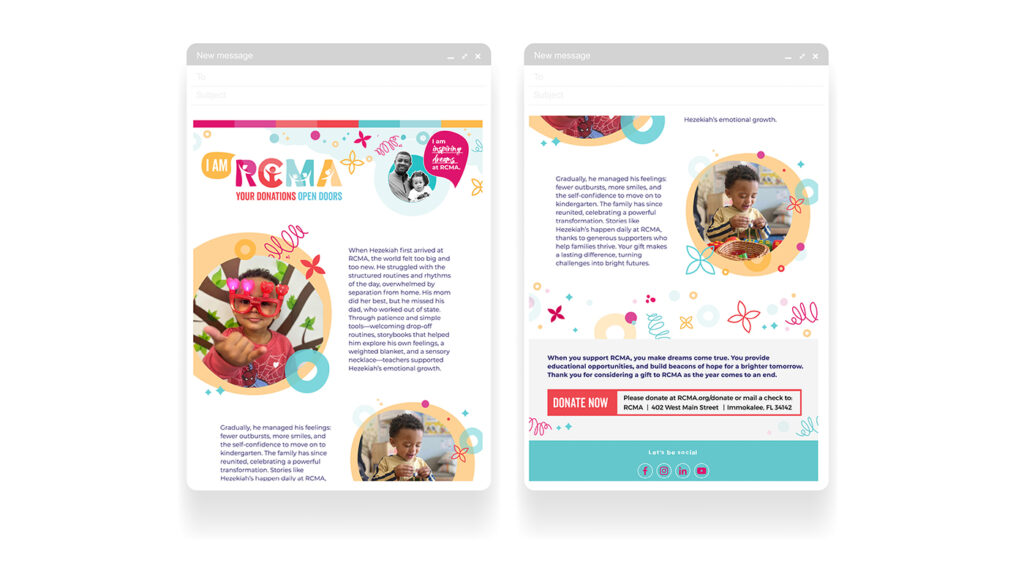
Your website should feature real people prominently and authentically. Not stock photography of smiling strangers actual photographs of your team, your volunteers, and where appropriate and consented to, the people you serve. A photo of your Executive Director with a genuine quote about why this work matters communicates more trust than three pages of organizational credentials.
Introduce your leadership team on your about page with real bios that reflect real personalities. Let people see that there are human beings behind the work. That visibility builds the kind of personal connection that makes giving feel like a relationship rather than a transaction.
2. Be Transparent About Your Finances
Financial transparency is one of the most powerful trust builders available to a nonprofit organization and one of the most underused on websites. Donors want to know that their money will be managed responsibly. Many will check your Charity Navigator or GuideStar profile before they give. Your website should make that investigation easy and the results reassuring.
Publish your most recent annual report in a prominent and accessible location on your site. Display your financial efficiency ratios the percentage of donations that go directly to programs versus overhead. If you have a high rating on a third-party accountability platform, feature that prominently. These are not details to hide in a footer. They are credibility assets that belong on your homepage and your donation page.
Organizations that lead with transparency invite donors in. Organizations that bury their financials create doubt even when there is nothing to hide.
3. Let Your Beneficiaries Tell the Story
There is no more credible voice on your website than the people whose lives have been changed by your work. Testimonials, case studies, and impact stories from program participants carry a weight of authenticity that no organizational copy can replicate.
These stories do not need to be long or professionally produced. A paragraph from a family you helped find housing. A short video from a student whose scholarship changed their trajectory. A quote from a community member about what your food program means to their family. These are the moments that make a donor feel the impact of their potential contribution before they have given a single dollar.
Collect these stories systematically. Create a simple process for gathering them with appropriate permissions. Feature them prominently on your homepage, your programs pages, and your donation page. Then update them regularly stale testimonials from several years ago signal organizational inertia.
4. Display Your Impact in Concrete Terms
Vague impact claims do not build trust. “We are making a difference in our community” communicates almost nothing. “Last year, we provided 14,200 meals, supported 340 families through our housing stability program, and helped 87 individuals secure full-time employment” that communicates both scale and specificity.
Donors are making an investment decision when they give. They want to understand what their money buys. They want to know that you are measuring your outcomes, tracking your results, and improving over time. Concrete, specific impact data on your website signals organizational rigor and accountability.
Create a dedicated impact page or impact section that is updated annually. Use clean data visualization where possible charts and infographics that make numbers accessible and engaging. And connect the data back to stories wherever you can. Numbers give scale to the story. Stories give humanity to the numbers.
5. Make Your Contact Information Easy to Find
This one sounds obvious. It is remarkable how many nonprofit websites bury their contact information, offer only a generic web form, or have contact pages that are broken or outdated.
Accessible contact information signals that a real organization exists behind the website. It says: we are here, we are reachable, and we stand behind what we publish. For a donor who is still building trust, being able to see a phone number, a physical address, and a named staff contact is genuinely reassuring.
Make your contact page easy to find in your navigation. Include multiple contact options. Make sure every link works and every email address is monitored. And if someone fills out your contact form, respond within 24 hours every interaction with your organization either reinforces or undermines the trust your website has worked to build.
6. Keep Your Website Current
Nothing communicates organizational neglect faster than outdated content. A news section with the last post dated two years ago. An events page listing events that have already passed. A team page featuring staff members who left twelve months ago. These are small details that create large doubts in a donor’s mind.
If your website looks like it has been forgotten, a potential donor will wonder whether your programs have been forgotten too. Keeping your website current is not just a technical maintenance task it is a trust maintenance task.
Assign ownership of website freshness to a specific person on your team. Create a simple content calendar for blog posts, news updates, and social proof additions. Set calendar reminders for quarterly reviews of your team page, events page, and impact data. The effort required is modest. The trust impact is significant.
The donors who are going to change the trajectory of your organization are out there right now. Some of them are searching for the cause you champion. Some of them will land on your website in the next thirty days. What they find when they get there will determine whether they give once, give repeatedly, or close the tab and find an organization that made them feel more confident.
Build the website that earns their confidence. It is the most important fundraising tool you have.
Our team helps mission-driven organizations build websites that do exactly this. If you are ready to turn your website into your most effective donor engagement asset, let’s talk.