• The Top 10 Things Social Impact and Nonprofit Organizations Should Not Do in 2026

    The Top 10 Things Social Impact and Nonprofit Organizations Should Not Do in 2026

    In 2026 social impact organizations and nonprofit organizations face increasing pressure to demonstrate transparency, measurable outcomes and sustainable growth. Donors, partners, funders and communities expect more clarity, more consistency and more accountability than ever before.

    While many nonprofits focus on what they should be doing it is just as important to understand what they should stop doing. Avoiding the following mistakes can save time, protect resources and significantly increase long term impact.

    This guide outlines the top 10 things nonprofit and social impact organizations should not do in 2026 and what to do instead.

    1 Do Not Treat Marketing as an Afterthought

    Marketing is no longer optional for nonprofit organizations. Treating marketing as something to do only when time allows leads to inconsistent messaging, low visibility and missed funding opportunities.

    In 2026 nonprofit marketing must be strategic and aligned with organizational goals. Without a clear marketing strategy even the strongest missions struggle to reach the right audiences.

    2 Do Not Try to Do Everything In House

    Limited teams attempting to manage strategy content social media email fundraising and digital advertising internally often experience burnout and underperformance.

    Trying to do everything in house costs more in lost time and inefficiency than partnering with external experts. Nonprofits that succeed in 2026 understand when to extend their team through trusted partners.

    3 Do Not Ignore Data and Performance Metrics

    Decisions based on assumptions rather than data can drain budgets quickly. Nonprofit organizations should not rely on vanity metrics or gut feeling alone.

    Tracking engagement conversion donor retention and campaign performance allows organizations to focus resources where they have the greatest impact.

    4 Do Not Lead With Generic Messaging

    Vague mission statements and broad messaging no longer resonate. Donors and supporters want clarity on who you help, how you help and the outcomes achieved.

    Nonprofits in 2026 must move away from generic language and focus on specific impact driven storytelling that demonstrates real change.

    5 Do Not Overlook Digital Infrastructure

    Outdated websites, broken donation forms, slow load times and poor mobile experiences create friction and reduce trust.

    Your digital presence is often the first interaction someone has with your organization. Neglecting digital infrastructure directly impacts donations, volunteer sign ups and credibility.

    6 Do Not Underestimate Donor Experience

    Acquiring new donors is more expensive than retaining existing ones. Poor follow up, unclear communication and lack of appreciation lead to donor fatigue.

    Nonprofits should not focus solely on acquisition. Strong donor journeys, clear updates and meaningful engagement drive long term sustainability.

    7 Do Not Rely Solely on One Funding Channel

    Organizations that depend heavily on a single funding source face greater risk during economic shifts.

    Diversifying fundraising strategies across digital campaigns grants partnerships and community engagement is essential for stability in 2026.

    8 Do Not Separate Marketing From Impact Reporting

    Marketing and impact reporting should work together not in silos. Promoting campaigns without showing outcomes weakens trust.

    Nonprofits should integrate impact data into marketing content showing supporters exactly how their contributions make a difference.

    9 Do Not Ignore Brand Consistency

    Inconsistent visuals, tone and messaging across platforms create confusion and reduce credibility.

    Strong nonprofit brands in 2026 maintain consistency across websites, social media email campaigns and fundraising materials to build recognition and trust.

    10 Do Not Wait to Ask for Help

    One of the biggest mistakes nonprofits make is waiting too long to seek external support. Delaying strategic help often leads to rushed decisions, missed opportunities and inefficient spending.

    Organizations that grow sustainably recognize early when they need expertise in marketing strategy, digital execution and audience engagement.

    Moving Forward in 2026

    Social impact organizations and nonprofit organizations operate in an increasingly complex environment. Avoiding these common pitfalls allows teams to protect their resources, amplify their mission and build stronger relationships with supporters.

    In 2026 success is not about doing more. It is about doing the right things intentionally, strategically and sustainably.

    If your nonprofit or social impact organization wants to strengthen visibility, improve donor engagement and avoid costly marketing mistakes we can help.

    Partner with a team that understands purpose driven organizations and knows how to turn limited resources into measurable impact.

  • 7 Innovative Strategies for Maximizing Marketing Impact with Increasingly Limited Resources

    7 Innovative Strategies for Maximizing Marketing Impact with Increasingly Limited Resources

    In the ever-changing digital and economic landscapes of today, organizations across all industries and actors are facing a common challenge. This challenge is to maximize your organization’s marketing and overall impact with increasingly limited resources. The pressure to do more with less is a universal hurdle. Balancing ambitious marketing goals under these conditions can be challenging, so we created this guide. This guide covers seven innovative strategies for marketing teams in both for-profit mission-focused focused and nonprofit organizations. Each strategy is crafted to facilitate successful navigation of the complexities in modern marketing and to ensure your message resonates with your target audience.

    Embrace Content Repurposing

    When you create great content, repurpose it! Take the initiative to know which pieces of past content have done well and create new styles based on those. We are big on data-driven decision-making and tracking at Sulzer. You should be too! Make sure you have the proper analytics tools in place with Google Analytics and Google Tag Manager. This will give you the ability to create events on your website that you would like to track and compile data for analysis. You can also repurpose successful content and present it in different mediums. Such as a highly interacted landing page translates to a similarly designed HTML email. This can offer further insights into the engagement reciprocity of the content and also data on how your audience best engages with your content.

    Leverage User Generated Content

    A great way to create authentic narratives in your marketing content is to leverage User Generated Content (UGC). UGC takes content provided by your audience and uses that content in UGC campaigns. UGC can act as a form of social proof by showcasing real-life examples of your organization’s work, service, and products. That’s not even the only great thing about this! Your organization will also be saving all of the content creation costs! Double win!

    Implement Cost-Effective SEO Practices

    We know… SEO costs can seem scary. SEO is also however one of the largest channels in terms of Return on Investment (ROI) and Return on Ad Spend (ROAS). It is also worth considering how powerful this strategy is and what effort other strategies will cost to try and measure up to the returns that SEO provides. With that said, you can likely do some minor touch-up work internally that will improve low SEO scores. Make sure that your site content, site infrastructure, and optimization are all meeting Google search standards. Utilize free trials on keyword search software. Google Trends and AskThePublic.com are great for understanding what your audience is researching and asking questions about. You can also use Google PageSpeed Insights to diagnose SEO page issues.

    Capitalize on Partnership Marketing

    Use partnerships with other organizations to amplify your marketing efforts! These opportunities can look like social media co-hosting live events or webinars, collaborating on a promotional campaign, or even a joint-campaign approach with organizations in similar spaces. This approach will allow your organization to trade exposure with one another allowing each party to benefit from reaching otherwise costly to reach audiences. 

    Optimize email marketing strategies 

    If you do not have an email marketing strategy, get one! If that seems daunting, hire someone to do it for you. Email is the highest ROI marketing channel in the game. Yes, even higher than SEO, with usually much lower costs across the board. But only if it is done right. Email marketing strategies consist of brand positioning, brand messaging and tone, persona identification, list building, automation & ai, content writing, and believe it or not, more than that. Like I said, if it seems daunting, hire a pro. It will be one of the most advantageous decisions your organization makes. Building an email database that your organization nurtures over time is a powerful way to build brand awareness.

    Utilize free and open-source tools 

    Make sure that you are utilizing the proper tools to streamline your workflows! There are also tons of ideas for strategic marketing campaigns out there. Dive in and think about what would work for your organization. What is your organization doing or not doing? What could your organization be doing more or less of? How do these things get your organization where it wants to go? Utilize graphic design tools, CRM software, and automation/integrations wherever possible! There is a tool for everything out there to help enhance your team’s marketing efforts!

    Adopt agile marketing practices

    Agile Marketing allows organizations to adapt, respond, and engage more effectively in their marketing operations. It begins with segmenting projects into smaller manageable tasks. Then using data as a guide, teams can adjust their approaches based on feedback and market conditions. This approach is especially effective in limited budget scenarios as the most important focuses tend to bubble up and get completed first. Be sure to base your segmentation of tasks on the overarching organizational marketing goals. 

  • Go Do Good (formerly Sulzer) wins an American Advertising Federation Addy Award and the prestigious Mosaic Award for their integrated creative campaign for their nonprofit client, RCMA’s.

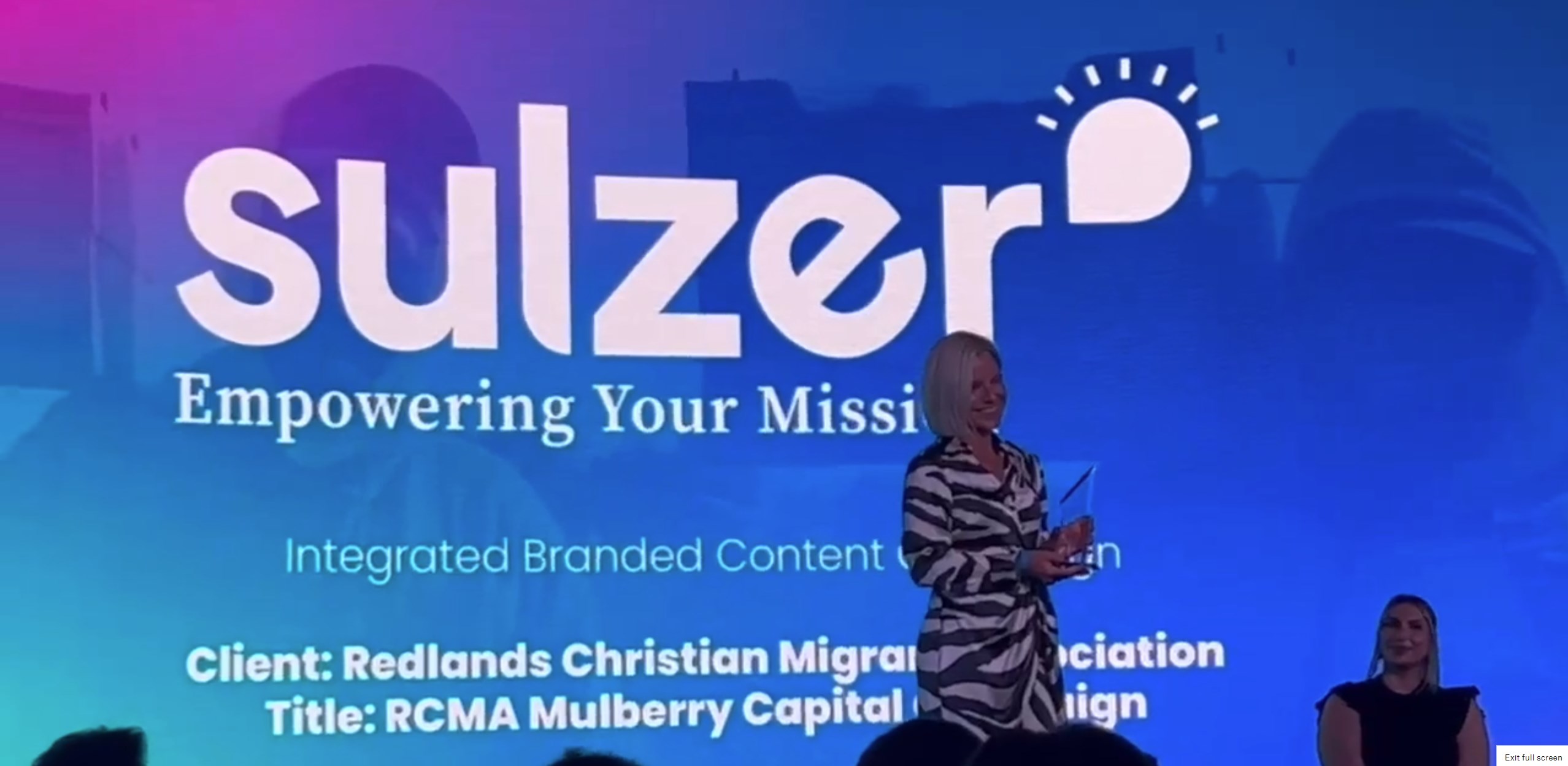
    Go Do Good (formerly Sulzer) wins an American Advertising Federation Addy Award and the prestigious Mosaic Award for their integrated creative campaign for their nonprofit client, RCMA’s.

    GO DO GOOD’s successful, integrated, and branded content campaign helped the agency take home the 2024 Mosaic ADDY Award and Silver Award.

    Tampa, FL: The American Advertising Federation (AAF) awarded Go Do Good the 2024 Mosaic ADDY Award and the local Silver ADDY Award for the agency’s consistent and effective work on the Redlands Christian Migrant Association (RCMA) Mulberry Capital Campaign. The Mosaic Award is reserved for agencies and individuals whose work and results reflect a commitment to diversity, equity, and inclusion.

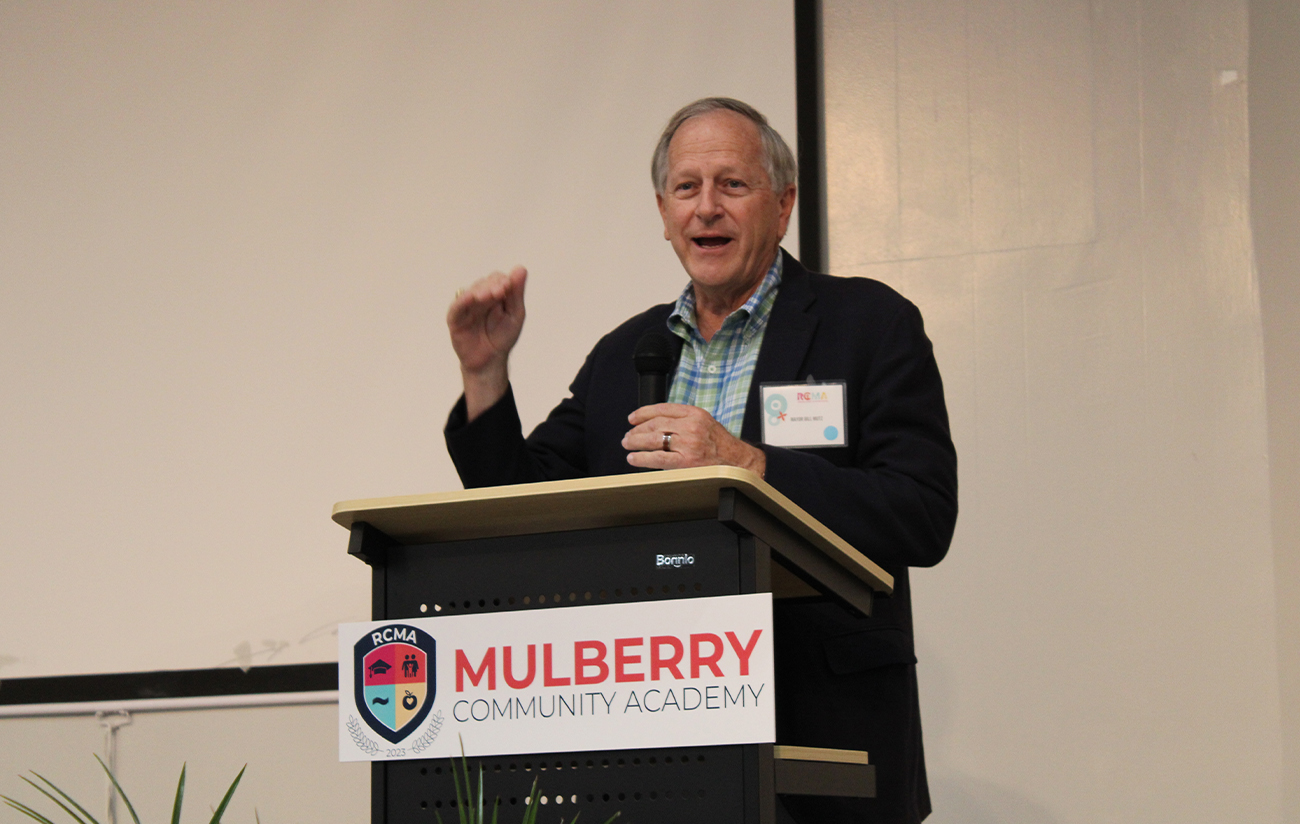
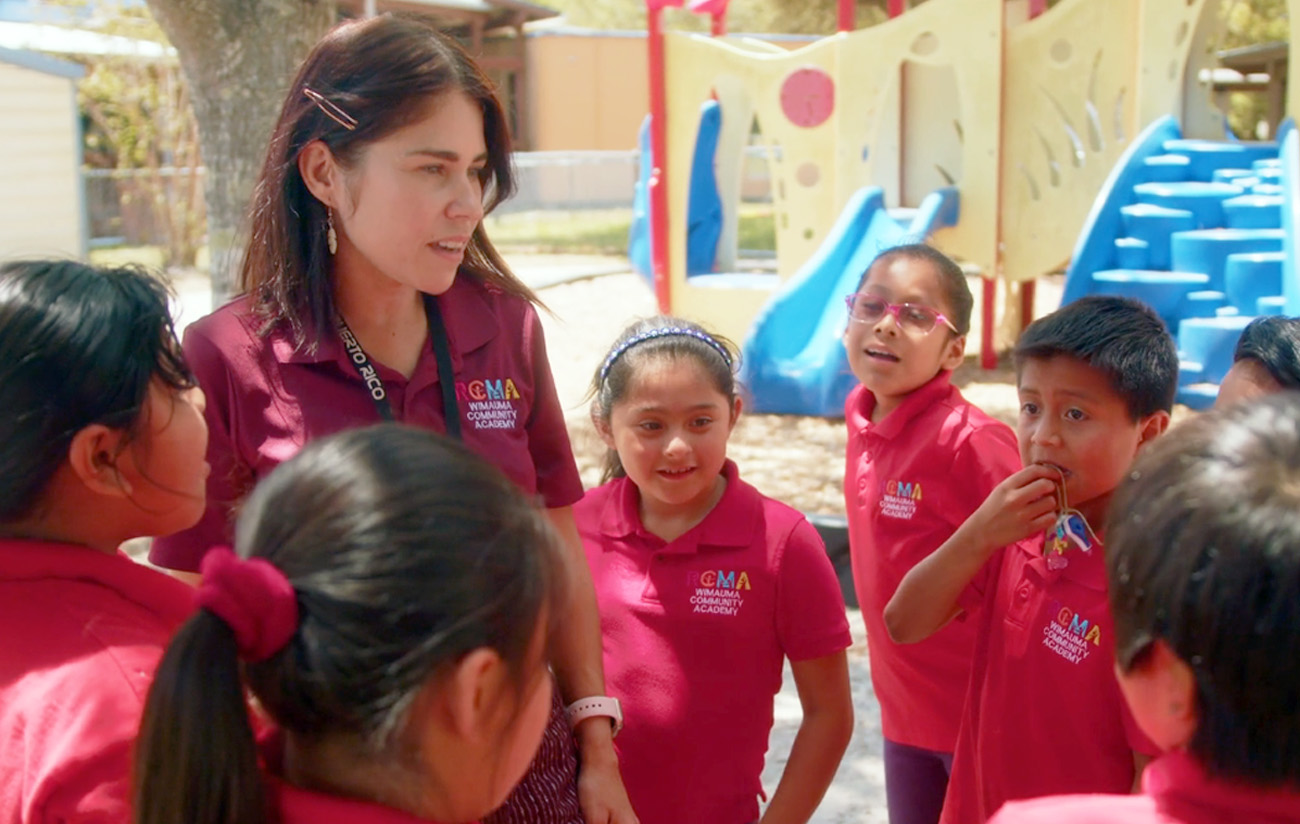
    RCMA is a Florida-based nonprofit dedicated to helping more than 4,600 children within the Sunshine State’s most vulnerable communities. Donating to RCMA directly funds quality care, education, and resources for children of migrant working and low-income families. Despite its incredible good works, RCMA grappled with a fragmented brand identity, an in-cohesive design and color scheme, and usability challenges within its digital presence. 

    The creative and strategic teams at Go Do Good leveraged potential donors’ core motivations and concerns to craft strategic branding, design, outreach campaigns, and a new online presence that resonated on a personal level with potential donors. Every step of the way, Go Do Good worked closely with RCMA to produce compelling narratives while highlighting the powerful stories of the children RCMA supports.

    Go Do Good won the awards for the results it obtained for RCMA and their community. Since the partnership began, RCMA has experienced a 33.5% increase in social page likes, seven new branding campaigns successfully launched, and a 38.1% increase in EOY net assets from 2019 to 2022.

    To learn more about the good work Go Do Good does to help nonprofits achieve their goals, follow the creative agency on LinkedIn, Instagram, Vimeo, and Facebook.

    About Go Do Good: Go Do Good is a creative agency that empowers nonprofits and purpose-driven organizations to create positive impacts. Humbly located at the heart of change, Go Do Good unites its clients’ passions and good works with strategic expertise to amplify missions, reach target audiences, engage interested parties, and effectively facilitate new growth for nonprofit and purpose driven organizations. With Go Do Good, nonprofits reach their audiences in a way that resonates and moves people to evolve from curious bystanders to active and engaged supporters.

    We are so honored to have won these awards, and the continued opportunity to work with RCMA to empower their mission. Our collaboration created a landscape in which we could strategically reshape RCMA’s brand and digital presence, resulting in a stunning uplift in engagement and enrollment. The achievement was an affirmation in the power of targeted branding and digital strategies to enhance community visibility and impact, but the deeper meaning behind the work was that RCMA is now able to get its message out there in ways it never had before. We couldn’t be happier to have been a part of that.

    Michelle Sulzer
    Founder + Chief Creative Officer
    ,
  • 5 Keys to Accelerating Professional Growth in Marketing without Overworking

    5 Keys to Accelerating Professional Growth in Marketing without Overworking

    We are constantly looking for new keys to accelerate the growth of our staff and fellow industry colleagues. For our client partners, we understand that their success is our success. If we help to build up a marketer in their capacity as a client partner or any organization, we realize that we are supporting the success of the industry as a whole. So, we put together a list of 5 keys we see as essential and of high value for accelerating professional growth in the marketing industry without overworking. 

    1. Embrace Continuous Learning

    Marketing professionals should always be committed to lifelong learning. This is because professionals should be developing their skill sets even after school. Work experience within an organization’s marketing department is just the beginning of being a marketing professional. Keeping up with the latest marketing trends requires taking advantage of online courses, webinars, and workshops. Platforms like Coursera and LinkedIn  Learning offer tons of marketing courses that serve all different marketing specializations and industrious. 

    2. Leverage Networking and Mentorship

    Actively and aggressively leveraging networking and mentorship opportunities is another key to successfully accelerating your marketing growth. Build a robust professional network by attending conferences, industry group sessions, and online forums. Again, LinkedIn is an invaluable tool for connecting with mentors, leaders, and peers. Keywords like “marketing mentorship” and “ professional networking in marketing” are great search phrases for finding new opportunities. Mentorship is a great tool that can provide feedback and guidance on your career and open doors to new opportunities. 

    3. Utilize Marketing Automation Tools

    Marketing comes along with all types of mundane time-sucking tasks. We know this, and we get it. There are so many things that have to get done but at the same time, there are higher-impact activities that you could be focused on. This is when marketing automation tools come in to save the day. These tools allow you and your team to increase your productivity and reduce manual effort. There are automation tools for email marketing, customer relationship management, and social media. 

    4. Focus on High-Impact Activities

    Developing a keen sense of high-impact activities and their priority is an invaluable skill that all marketers need to develop. These high-impact activities are the ones that directly contribute to your organization’s goals and your professional growth. Focus on the 80/20 rule, where you focus on the 20% of your efforts that will yield 80% of the results. This may look like dedicated outreach for partnerships or networking, a key go-to-market campaign that is proven to work, or even developing better procedures from cross-functional projects for your team. These activities need the majority of your focus, so find ways to relieve your workload and limit distractions so that you can give these activities the attention they require.

    5. Set Clear Goals and Boundaries

    Burnout and overworking become more apparent when professionals do not establish boundaries to prevent them. Be sure to focus on the SMART goals. These are Specific, Measurable, Achievable, Relevant, and Time-Bound goals. These will help you focus your efforts and measure your progress. Never be a yes-person! Understand what new requests require, the current workload at hand, and the deadline that has been set. Understand that learning to say no to projects that come at a bad time or do not align with your goals will greatly mitigate any risks of professional burnout. 

  • Non-Profit Marketing Experts Reveals 5-Step Formula For Doubling Your Impact Quickly And Easily

    Non-Profit Marketing Experts Reveals 5-Step Formula For Doubling Your Impact Quickly And Easily

    We were lucky enough to sit down with a few thought leaders from the non-profit marketing industry to discuss some impactful strategies for doubling a non-profit’s impact quickly and easily. We all felt that these 5 steps were some of the highest-level points of focus for our agencies and the non-profit client partners that we serve. We hope you enjoy these insights and would love to connect to offer any more insight regarding these or to answer any questions you may have.

    1. Leverage Social Media Storytelling

    If you want to double your non-profit organization’s impact quickly and easily, be sure that you are engaging in storytelling on Social Media. Social media platforms such as Facebook, Instagram, and X offer unique opportunities to share stories with your audience. This engagement can help to broaden the reach of your organization and drive support. Tools like Canva can be used for design and Hootsuite can be used to schedule and streamline your social media management. Even if your organization has a position filled for a social media manager, ensure they are using a system that deploys some level of automation to alleviate workload burdens. 

    2. Optimize Your Website for Donations

    If your website is frustrating, you are going to raise less money for your organization. With fewer dollars raised, the impact of your organization is going to be constrained. To reach the full donor and impact potential of your organization, you must design digital experiences that are user-friendly, mobile-responsive, and optimized for donations. Donation pathways should be compelling and operate within a clear call to action that is highly visible. You will also want to optimize your web content for SEO requirements to improve your website’s visibility in search engine results. One of the most powerful tools in a marketer’s tool belt is Google Analytics. The data provided by Google Analytics can illustrate areas of the donation process where users are getting stuck or bouncing off the page. Over time, you can also split-test different processes to better understand which pathway design works best for your audience. 

    3. Implement Email Marketing Campaigns

    One of the most powerful marketing tools in the game is still email. It may seem boring and not as sexy as we all would like, but it is a fact. Email marketing allows non-profits to communicate with their supporters, audience members, and potential volunteers in a way that makes them feel valued. With tools such as Mailchimp and Hubspot, your organization can tailor messages for your email list based on interests, donation history, and engagement levels. To build your list, utilize tools such as Apollo.io, Lead411, and LinkedIn. Automation is also available within each of these tools to auto-populate new leads that meet the parameters of your targeted audience. 

    4. Engage in Community Partnerships

    Community partnerships with local businesses, schools, and other organizations can predictably scale the reach of a non-profit organization. Partnering with other organizations in the community is also a strategic way to minimize costs and effectively deploy limited resources. There is also the benefit of audience sharing between organizations. The costs of a strategic partnership are far lower than the costs of acquiring visibility amongst another organization’s audience that may fit your non-profit’s ideal audience or avatar. Instead of spending money to compete to win these audiences over, go for a win-win scenario where you push your services complementary to another organization that has a similar offering with certain gaps your organization can fill.

    5. Maximize the Impact of Content Marketing

    A powerful and organized content marketing strategy can change the game for non-profits looking to double their impact. When your organization is distributing valuable, relevant, and consistent content, it becomes much easier to attract and retain a clearly defined audience to drive engagement and support. Continuing off storytelling, make sure the stories you share in your content marketing highlight the success of your projects, the impact of donations, and the experiences of volunteers and staff members. Team members with experience in content writing bring extreme value to your organization’s marketing team. 

  • Fast Track Your Organizational Marketing Goals in 30 Days by Using These 11 Proven High-Impact Campaign Strategies

    Fast Track Your Organizational Marketing Goals in 30 Days by Using These 11 Proven High-Impact Campaign Strategies

    1. Leverage Storytelling in Native Advertising

    If you are looking to fast-track your organization’s marketing goals, it all starts with storytelling and content marketing. Storytelling is especially effective with native advertising. Native advertising allows for the medium of your content to match the delivery system in which it is contained. This could look like an interactive video on your website or a testimonial on social media stories or reels. 

    2. Capitalize on Podcast Sponsorships or Guest Appearances

    Podcast and guest appearances offer an opportunity for connections between your engaged audience members in a personal and impactful way. Sponsored podcasts that align with your organization’s values can create an effective space for sharing your message conversationally. This in-depth and authentic medium of delivery beats out traditional advertising methods. This strategy will increase your brand recognition and loyalty amongst listeners. 

    3. Host Virtual Events or Webinars

    Virtual events are a cost-effective and powerful tool for directly engaging with your audience. These tools provide a platform for sharing valuable insights and establishing your organization as a thought leader. Interactive sessions on topics related to your industry and mission can help to attract attendees from a global audience. There is also an element of lead capture for when attendees register for the event. Promoting these events through email marketing, strategic partnerships, and social media is effective. 

    4. Deploy Targeted Ad Campaigns

    Ad campaigns are very important for a well-rounded marketing approach that can fast-track your organizational marketing goals. Targeted advertising allows for specific messaging to be shared to the demographics of your audience. This ensures that your marketing efforts focus on those that are most likely to engage with your organization. This is a two-pronged win because you will be able to increase the efficiency of your ad spend while also enhancing user experiences by delivering valuable content. 

    5. Implement Account-Based Marketing (ABM)

    Account-based management is an approach that concentrates organizational resources on a set of target accounts within a sector, niche, or industry. Personalized marketing messages are always higher performing than templatized messages. Messaging should be based on the needs and attributes of each targeted account so that your organization creates the most relevant and effective campaigns. 

    6. Explore Geo-Fencing Technology

    Geo-fencing technology allows organizations to send targeted advertising to specific geographic areas. This has the potential to be particularly effective for local events, campaigns and campuses. This strategy also can be customized and tailored to the needs of the audience that is being targeted. 

    7. Invest in Interactive Video Content

    Consumers enjoy interacting with content through choices. This gives them a sense of decision in which pathway they embark on in your user experience. Again, there are multiple benefits to this approach and strategy. We have seen client partners enjoy increased engagement rates and also gain further valuable insights into the viewer preferences and behaviors of their audiences. 

    8. Utilize Gamification in Campaigns

    Understanding the power of competition and fun and how this interacts and engages with your audience will allow your organization to reap insane benefits! Gamification can involve creating a point-based system for donors or where audience members compete in a series of informational tasks that walk them through the programs and services of the organization. Gamification campaigns are even more effective when there is an element of reward for those who are at the top of the performance charts.

    9. Develop a Content Series

    Find subjects that resonate with your audience and design a content series around these topics. This will continue to establish your organization as a thought leader. Identify an opportunity or need for your audience and fill the gap with the knowledge of your organization. Value-based marketing through content is one of the most powerful approaches that an organizational marketing team can take. This is where we provide value to our audience with no expectation of a sale or contribution in return. This is another strategy to limiting hesitation amongst audiences that have members we would like to see contribute and participate in your organization. 

    10. Offer Limited-Time Promotions

    Creating a sense of urgency is one of the most effective ways to drive action from your audience. Launching campaigns that have end times can leverage this urgency to double the impact of your campaign and organization. Email marketing, social media, and your organization’s website can be used to promote these offers and ensure that the message is clear and compelling. Consider adding countdown timers to your social posts, campaign landing pages, and emails so that there is a visual representation of the urgency. 

    11. Analyze and Adapt Based on Data

    If you have gone through some of our other content, you are probably tired of this one! However, it is just that important! We live in a data-driven marketing landscape where the ability to quickly analyze and adapt your strategies based on real-time feedback is crucial. Your organization and marketing team should always be looking for patterns in channel utilization, content formats, and messaging that resonate with your audience. Do certain topics drive more engagement? Maybe that is a great idea for a content series. Does one social media platform perform better than another? Great! Now adjust!

    Creating this comprehensive list felt like the best way for us to share the steps your organization can take to fast-track its marketing goals in 30 days. We combined modern high-impact strategies with proven marketing techniques. Implementing these strategies will result in enhanced visibility, engagement, and impact all within a month. So get going! 

  • Staying “Trendy” while marketing the goods! Why advertising is growth & revenue focused

    Staying “Trendy” while marketing the goods! Why advertising is growth & revenue focused

    In today’s marketing world, prospecting clients are looking for an agency that can provide them with growth and revenue. Which is what everyone is looking for, right? To find an agency that can speak the language of their brand. For an agency to stand out amongst the crowd, prospectors are looking for marketing tactics that will transfer to growth and revenue. Because at the end of the day, it’s about selling more to the consumers, and growing your company.

    As we take a look back at technology and digital marketing, there has been an extremely large growth in the transitioning of these changes. Did you know that the most popular devices used to browse the web are mobile phones?

    “More Google searches take place on mobile devices than on computers in 10 countries including the U.S. and Japan” (Google, 2015).

    So, what do we do with this information? And how do we drive leads that transition into revenue for the client? I’ll tell you how, by providing the prospecting client with revenue-focused marketing. Revenue-focused marketing takes all of the marketing strategies of the business into consideration. It is data-driven that focuses on marketing analytics and reports that assist the agency in campaigns that drive revenue, ie. social media and digital ads. Some strategies may require revisions and constant supervision in order to adjust and compete with the leaders in the industry. But hey, it’s been proven to drive leads, and this is what we want!

    Improving your companies SEO and increasing the amount of traffic to the website via organic searches, has proven to also be effective when constructing your website to be appealing to search engines. Search engine algorithms are constantly changing, and the agency you chose should be an expert in the SEO tactics that will speak to marketing your brand.

    “Google gets over 100 billion searches a month” (Mashable, 2015).

    Although these revenue-focused marketing tactics are proven to be effective in growth and revenue, agencies are expected to be creative and inventive in marketing the brand. We can’t forget about those tactics! The quality of work the agency provides, understanding the businesses culture, and sticking to the budget are not to be forgotten. So, when you’re ready to find that perfect agency, do your research, and find the agency that’s right for you!

    ,
  • Creating Engaging Social Media Campaigns for Causes That Matter

    Creating Engaging Social Media Campaigns for Causes That Matter

    Nonprofits should leverage social media to connect with audiences and boost community engagement.

    Crafting social media campaigns that resonate with audiences and drive support for nonprofits is both a technical skill and an art. To stand out in a crowd, nonprofits must create unique, original, and interesting content.

    Why Should Nonprofits Create Engaging Social Media Content?

    Engaging social media content can help nonprofits perform critical functions like:

    • Raise funds
    • Recruit donors and volunteers
    • Increase awareness of their cause
    • Build a community around the nonprofit’s mission
    • Communicate important information to many people quickly

    Examples of Successful Nonprofit Campaigns on Social Media

    In 2022, Hurricane Ian struck the southeastern United States, the deadliest hurricane to hit Florida since 1935. The American Red Cross leaped into action to help those affected, and they launched one of the most effective nonprofit campaigns on social media to raise funds for their work.

    The campaign focused on the good, primarily by showing videos of those affected by the hurricane telling their stories. Videos showed hurricane survivors talking about how they had been taken care of by the Red Cross, how they received meals every day, and how the volunteers even took the time to play with children affected by the hurricane.

    The campaign was highly effective because it connected the nonprofit’s target audience (the people watching the videos) to the hurricane victims and how the Red Cross helped those victims recover from the storm of a lifetime.

    What Does it Mean to Create Cause-Driven Content?

    Cause-driven content is defined as content that immediately connects the viewer to the nonprofit’s cause. An excellent example of cause-driven content can be found in a social media campaign launched by Save the Children.

    In this campaign, rather than quoting statistics on the number of children suffering worldwide, Save the Children narrowed in on a handful of children and profiled their experiences before and after being contacted and helped by the nonprofit. 

    The social media campaign was effective because it clearly showed viewers the pain these children were experiencing daily, which emotionally connected viewers to the cause. The campaign also showed viewers how Save the Children was helping make a difference in the children’s lives, which inspired viewers to donate to the cause.

    Sulzer Inc. Has the Tools to Help Nonprofits Drive Community Engagement

    Historically, nonprofits have used in-person events to encourage engagement and persuade communities to donate and volunteer. But in the 21st century, community engagement means more than hosting events, workshops, and volunteer beach cleanups. Today, community engagement almost always begins online. 

    Sulzer Inc. helps nonprofits grow their brand and increase their visibility online and beyond. The result? Significant brand elevation, new supporters, donation increases, audience growth, and more support from the community. Contact Sulzer Inc today to get started.

    , ,
  • Digital Marketing Strategies for Nonprofits on a Budget

    Digital Marketing Strategies for Nonprofits on a Budget

    Nonprofits can find unique and creative ways to promote their good works to the public, no matter their budget.

    Digital marketing comes in all shapes and sizes and at all price points. Some aspects of digital marketing, like Google’s Pay-Per-Click ad feature, are as effective and helpful as one is willing to spend money on them. However, some digital marketing techniques can produce incredible results with little financial cost.

    Nonprofit Digital Marketing

    Nonprofit digital marketing is essential for nonprofits to stand out, inform the community of their good works, and earn support through donations and volunteer hours. But as the internet becomes increasingly competitive, nonprofits must get creative in securing visibility.

    The Importance of Online Visibility

    Achieving online visibility can seem challenging at first. Google reported 1.13 billion online websites, with as many as 50 billion individual website pages.

    Google also recorded about 1.48 million 501(c)(3) nonprofits in the United States. The competition for the coveted attention of online audiences is high, and garnering online visibility has never been more important for nonprofits. No online visibility means no attention from an audience, which in turn means no support, donations, or volunteer sign-ups.

    Five Budget-Friendly Strategies for Branding a Nonprofit

    The internet is now the primary location where nonprofits showcase their work. That can take many forms, from a well-designed website to an interactive app, email newsletter, digital ad campaign, and social media posts. Some digital marketing tools can be expensive, but budget-friendly strategies for promoting a nonprofit exist, including tools and strategies like:

    • Asking for reviews and testimonials. Social proof is everything in the online world, and it costs nothing to ask someone who has worked for, volunteered with, or been helped by a nonprofit to leave a review or write a testimonial.
    • Opting for email campaigns over print mailers. Email templates are endlessly customizable, and for a small monthly subscription to an email hosting service, one can send emails to thousands of subscribers for a fraction of the cost of using print mail.
    • Posting often, but being intentional about it. It costs nothing to create social media profiles, and it’s free to post. Nonprofits should build an online presence via frequent social media posts, but they should be intentional about it and only create unique, original, and interesting content.
    • Encouraging online engagement. Every time a nonprofit posts on social media, they should encourage engagement by asking followers to like, comment, and share.
    • Writing a blog and posting it on social media and in emails. Websites with frequently added blog posts rank higher on Google and become more interesting and relevant to the nonprofit’s audience. One should write a weekly blog post and include it in the newsletter. Mentioning the blog in social media posts is also a good idea.

    Sulzer Inc. Creates Cost-Effective Digital Tactics in Nonprofit Marketing

    Nonprofits focus most of their available funds on their mission and purpose, so it’s not uncommon for such organizations to hit budget constraints when it comes time to market and brand the organization’s activities and good works. Thankfully, Sulzer Inc. can offer cost-effective digital tactics for nonprofits.
    Sulzer’s mission is to help nonprofits by tapping into the passion and drive that fuels them while simultaneously leveraging time-tested, strategic experience to publicize the supreme goodness of nonprofits for all to see. Nonprofits who work with Sulzer observe significant brand elevation, a rush of new supporters, regular donation increases, record audience growth, and higher engagement. Contact Sulzer Inc today to get started.

    , ,
  • Visual Storytelling for Nonprofits: A Guide to Impactful Design

    Visual Storytelling for Nonprofits: A Guide to Impactful Design

    Visual storytelling is both an art form and an essential tool in conveying the mission and purpose that drive nonprofits.

    Words form the foundation of how humans interact with each other and assimilate information. By themselves, words can drive narratives in a compelling fashion that inspires a reader to take action. Even better, combining words with video footage and audio elements creates a trifecta of nuanced, inspiring messaging that nonprofits can leverage to garner support.

    What Does it Mean to Create an Impactful Design?

    Visual storytelling is an art form, but it has to produce a result, too. When done right, impactful design in visual storytelling engages the audience in a persuasive narrative arc that portrays characters and messages associated with the nonprofit and its good work. 

    Visual storytelling can be poetic and artistic in its flow and visual/audio effects, but it should be consistent and well-structured to be impactful.

    Practical Tips for Nonprofit Storytelling

    When a business promotes goods or services, it relies on tested marketing and advertising practices to convince viewers to buy. In nonprofit storytelling, however, no one’s trying to sell products or for-hire services. Rather, the nonprofit’s goal is to garner support from the community so it can better pursue its mission.

    Because the goals of a nonprofit’s visual storytelling are quite different from those of a for-profit entity, visual storytelling for nonprofits will look quite different. For example:

    • It should be relatable. Visual storytelling produced by the nonprofit should connect with the audience on a very basic, human level and be relatable to them, something they can associate themselves with.
    • It should be honest. Nonprofits already have a great story to tell, as they’re doing good work within their communities daily. Honest, clear, compelling, and dynamic depictions of the nonprofit’s work in the community make for incredible visual storytelling.
    • It should be inspiring. Nonprofits strive to meet an unmet need, be it environmental, social, economic, humane, or educational. Visual storytelling from nonprofits should detail the crisis they’re trying to solve, but such storytelling should also be inspiring to the audience by showing how the nonprofit is working to solve that crisis every single day.

    Visual Communication: A Critical Way to Get Your Message Across

    Visual communication from nonprofits should accomplish three key tasks, ideally in this order:

    • Identify the challenge or crisis the nonprofit is working to overcome.
    • Clearly delineate each of the primary ways the nonprofit addresses that crisis.
    • Directly connect the viewer to the crisis on a personal level and inspire them to take action and get involved.

    Sulzer Inc., Creating Effective Design Elements for Nonprofits

    Design elements in visual storytelling are effective in conveying a nonprofit’s narrative when they are intentionally and purposefully created by a firm that specializes in uniting nonprofit passion with strategic expertise. That’s where Sulzer Inc. comes in. 

    Sulzer identifies and accentuates the passion that fuels nonprofits through visual storytelling, all while leveraging strategic experience to showcase the nonprofit’s purpose and mission for all to see. The result? Nonprofits who work with Sulzer become well-known within their communities, experience brand elevation, attract new supporters, and accrue more donations. Contact Sulzer Inc. today to get started.

    , ,
Work with Us