• How Mental Health Nonprofits Are Using Strategic Marketing to Increase Impact in 2026

    How Mental Health Nonprofits Are Using Strategic Marketing to Increase Impact in 2026

    Mental health nonprofits operate at one of the most critical intersections of care, trust and urgency. In 2026 demand for mental health services continues to rise while funding pressure, staffing shortages and burnout place increasing strain on nonprofit organizations. At the same time expectations around visibility transparency and accountability are higher than ever.

    Through ongoing work with mental health focused nonprofit organizations a clear pattern has emerged. When marketing strategy brand positioning and agency support are aligned intentionally nonprofits create more capacity to focus on care community and mission impact.

    The Marketing Challenges Facing Mental Health Nonprofits

    Marketing for mental health organizations carries unique responsibility. Messaging must be accurate, compassionate and stigma reducing while also driving awareness funding and engagement. Many nonprofit leaders hesitate to prioritize marketing fearing it may feel transactional or distract from the mission.

    However inconsistent or reactive nonprofit marketing often leads to the opposite outcome. Without a clear strategy organizations struggle with low visibility donor confusion and underperforming fundraising campaigns. Internal teams are then forced to manage marketing alongside emotionally demanding service delivery roles.

    In 2026 successful mental health nonprofit marketing is not optional outreach. It is mission critical infrastructure.

    Brand Positioning Builds Trust and Psychological Safety

    Strong brand positioning is one of the most powerful tools mental health nonprofits can invest in. Brand positioning is not about polish or corporate identity. It is about clarity, consistency and trust.

    Effective mental health nonprofit brands clearly communicate who they serve, how they support mental wellbeing and what outcomes they create. Consistent language tone and visual identity help reduce stigma, build credibility and create a sense of safety for donors, partners and service users alike.

    Clear brand positioning also reduces internal strain. Staff no longer need to constantly re-explain the mission or adjust messaging. This creates alignment and emotional sustainability within teams.

    Marketing Systems Create Capacity Not Pressure

    One of the most important shifts we see among high impact mental health nonprofits is the move from task based marketing to systems based marketing. Instead of reacting to campaign deadlines or funding needs these organizations build repeatable marketing systems.

    This includes defined messaging frameworks, content planning cycles, donor communication journeys and education focused outreach strategies. Systemized marketing reduces decision fatigue and allows teams to operate with clarity rather than urgency.

    For mental health nonprofits where emotional energy is a limited resource this shift is essential.

    Why Agency Support Helps Mental Health Nonprofits Scale Sustainably

    Mental health nonprofits that grow sustainably in 2026 rarely do so alone. They intentionally use marketing agencies as an extension of their internal team.

    Agency partners handle strategy development content creation, digital marketing performance tracking and optimization. This allows nonprofit staff to remain focused on service delivery program development and community care.

    Hiring an agency does not reduce control. It increases capacity. Nonprofits gain access to specialized expertise without the cost or management burden of expanding internal teams. Resources are used more efficiently and marketing outcomes improve.

    Reducing Burnout While Increasing Mission Impact

    Burnout is one of the most serious challenges facing mental health nonprofit teams. When staff are responsible for both emotional labor and operational execution sustainability becomes impossible.

    Strategic marketing support protects people. By removing marketing execution pressure from internal teams, nonprofits create space for empathy, reflection and care. This is not a luxury. It is essential to long term mission success.

    Organizations that invest in support systems for their teams are better positioned to support their communities.

    What This Means for Mental Health Nonprofits in 2026

    A clear pattern is emerging across the social impact sector. Mental health nonprofits that invest in strategic marketing, clear brand positioning and trusted agency partnerships are not becoming more commercial. They are becoming more resilient.

    • They reach the right audiences with the right message
    • They build stronger donor and partner trust
    • They retain and protect their internal teams
    • They scale impact without sacrificing care

    Marketing when done intentionally supports the mission rather than competing with it.

    In 2026 the most effective mental health nonprofit organizations understand that capacity is part of care. By building the right systems and partnerships they create more room to serve the people who need them most.


  • Marketing in 2026: Promoting Doing Good Together

    Marketing in 2026: Promoting Doing Good Together

    In 2026 marketing is no longer just about selling products or services. It is about building movements, creating connections and inspiring collective good. Audiences want brands that do more than talk. They want brands that act uplift and give back.

    That is why purpose driven marketing and initiatives like Go Do Good Day are uniquely positioned to create meaningful impact both socially and commercially.

    What Purpose Driven Marketing Looks Like in 2026

    Purpose driven marketing where businesses align with social causes and community action is no longer a trend. It is an expectation. Consumers increasingly support brands that use their influence for good and in 2026 this shift is even more pronounced.

    Brands with clear social commitments build stronger trust and stand out in crowded markets when their messaging feels authentic and values led. ESG focused branding and community impact are becoming standard expectations rather than optional initiatives. At the same time human connection is more important than ever. Even with advanced AI and automation people are drawn to real stories, real people and real outcomes.

    Go Do Good Together A Blueprint for Shared Impact

    Go Do Good Together is built on the idea of collaboration over competition and collective action over individual gain. This philosophy aligns directly with how future focused marketers are planning campaigns in 2026.

    Building Campaigns Around Shared Values

    Purpose is not a tagline. It is the foundation of effective storytelling. Brands that lead with community impact social responsibility and shared values create deeper emotional connections with their audiences.

    Go Do Good Together supports nonprofits and purpose driven organizations by helping them tell stories that prioritize impact before attention. This approach ensures that marketing efforts feel meaningful rather than promotional.

    The key takeaway for marketers is simple. Use your platform to elevate causes not just products and invite your audience to be part of the solution.

    Anchoring Marketing to Meaningful Moments Like Go Do Good Day

    In 2026 awareness days and collective action moments play a critical role in marketing strategy. Events like Go Do Good Day give organizations a clear opportunity to mobilize their communities around shared purpose.

    Rather than treating these moments as one off posts, successful brands build campaigns that encourage participation, reflection and storytelling. This could include community challenges, volunteer spotlights or calls to action that invite people to share how they are contributing to positive change.

    Telling Stories That Inspire Action

    Purpose driven marketing thrives on storytelling that feels human and grounded. Instead of polished corporate messaging audiences respond to stories that reflect lived experiences and real impact.

    Featuring volunteers, nonprofit partners, beneficiaries and community leaders helps transform abstract missions into tangible outcomes. These stories build trust and encourage others to get involved.

    Effective formats in 2026 include short form video blog series social storytelling and user generated content that highlights moments of doing good together.

    Amplifying Impact Through Digital Channels

    Digital marketing remains one of the most powerful tools for scaling good. In 2026 the goal is not just reach but participation.

    Social media email and digital advertising should guide people toward meaningful actions such as volunteering, donating, attending events or sharing impact stories. Community hashtags and collaborative campaigns help unify voices and extend reach beyond a single organization.

    When digital strategy is aligned with purpose marketing becomes a catalyst for collective impact.

    Why Doing Good Together Matters in 2026

    Marketing today is not just transactional. It is transformational. Brands and organizations that help communities do good together build deeper loyalty, stronger trust and long term relevance.

    Purpose driven marketing is no longer a good addition. It is a growth strategy that aligns business success with social progress.

    By embracing collaboration storytelling and shared action marketing in 2026 has the power to move people, unite communities and create lasting positive change together.

    ,
  • Why Hiring a Marketing Agency Is the Smartest Move for Nonprofits in 2026

    Why Hiring a Marketing Agency Is the Smartest Move for Nonprofits in 2026

    Nonprofits in 2026 are being asked to do more with less. Funding is increasingly competitive, teams are lean and expectations around transparency impact reporting and digital presence continue to rise. At the same time marketing is no longer optional. It is essential for fundraising volunteer recruitment, donor engagement and long term sustainability.

    Most nonprofit organizations operate with limited resources and small teams. Staff members often wear multiple hats managing programs, fundraising communications and operations at the same time. Marketing is frequently added to already full workloads which can lead to inconsistent messaging outdated digital assets and underperforming campaigns. In a digital first environment this creates real risk for nonprofit growth and donor trust.

    Hiring a marketing agency allows nonprofits to extend their internal capacity without increasing headcount. Instead of trying to recruit and manage multiple specialists an agency provides access to a full marketing team including strategy content design advertising analytics and technical support. This model allows nonprofits to scale marketing efforts while keeping costs predictable and manageable.

    One of the biggest benefits of working with an agency is time savings. Internal teams no longer need to manage campaigns, coordinate vendors or troubleshoot platforms. Agencies take ownership of planning execution and optimization using proven systems and workflows. This frees nonprofit staff to focus on mission delivery, donor relationships partnerships and community impact rather than marketing administration.

    Partnering with an agency also delivers significant cost efficiency. Hiring even one full time marketing professional can be more expensive than working with an agency and still does not cover all required skills. Agencies eliminate recruitment training and turnover costs while providing expertise exactly when it is needed. They also reduce wasted spend by applying data driven strategies and best practices from the start.

    Marketing agencies bring strategic focus and external perspective that internal teams often lack the time to develop. By analyzing performance data, audience behavior and campaign results agencies help nonprofits move from reactive marketing to proactive growth. Clear storytelling, consistent messaging and stronger engagement lead to better fundraising outcomes and increased visibility.

    In 2026 successful nonprofit organizations are those that recognize they do not have to do everything alone. Treating a marketing agency as an extension of the team allows nonprofits to use their resources more effectively, strengthen their presence and amplify their mission without stretching internal teams too thin.

    If your nonprofit is ready to increase visibility, strengthen donor engagement and grow sustainably without overloading your internal team we are here to help.

    Partner with a marketing agency that understands purpose driven organizations and knows how to maximize impact with limited resources.

    ,
  • 10 Crucial Marketing Trends for Leaders Who Want To Expand Impact

    10 Crucial Marketing Trends for Leaders Who Want To Expand Impact

    It is clear that across for-profit and nonprofit sectors of business that there are rapidly evolving marketing landscapes today and on the horizon. As innovators and stewards of your cause, mission, and purpose, we have compiled a list of 10 crucial trends we find as the most important for organizations looking to expand their impact. These 10 marketing trends focus on enabling organizations aiming to amplify their organization’s voice, engage more deeply with their audiences, and drive meaningful progress.

    AI-Driven Personalization and Automation

    Sustainability and Ethical Marketing

    We are more aware than ever that sustainability and ethical practices are some of the most important considerations. Organizations hold these values immensely close and give them weight. We have seen ethics applied in situations of Kanye West’s anti-semitic remarks that lost him a 1 billion dollar deal with Adidas. Don’t be like Ye! Integrate good values into your organization and it’s marketing. Showcase your organization’s sustainability, ethical sourcing, and social responsibility efforts. These efforts are guaranteed to strengthen your brand value. 

    Video Content Dominance

    Video content is still dominating the digital landscape. This is because it offers a dynamic way to tell stories, explain issues, and connect emotionally with audiences. Look to implement YouTube, TikTok, and Instagram reels into your marketing approach. This type of content does not have to be very expensive to create. You can even use regular footage captured on newer-generation devices. Task a team member who is comfortable creatively with different software and have them learn a free video editing software such as Adobe Express. Short-form video content efforts like this will make leadership scream with joy when your team makes numerical connections to the output ROI. 

    Interactive and Immersive Experiences

    Interactive content, like quizzes, polls, and augmented/virtual reality, offers engaging ways to communicate with audiences. These technologies provide data and tangible access to the mission and purpose of your organization. This step is still in real-time development and will continue to grow in terms of opportunity and industry segment market capitalization. 

    Voice Search Optimization

    Are you optimizing for “Hey, Siri….”? Well, you should be! With the growing use of digital assistants, your organization should be optimizing for voice search. Incorporate natural language phrases and question-based keywords. Pushing these efforts into your SEO strategy can further improve visibility in voice search results. Technical considerations such as mobile-friendliness and quick loading for voice search are important as well. 

    Ephemeral Content for Real-Time Engagement

    Ephemeral content, characterized by its temporary nature on platforms like Instagram Stories, Snapchat, and Facebook Stories, offers a unique avenue for organizations to foster real-time engagement with their audience. This type of content is available for only 24 hours. This is a great tool for this approach as it effectively creates a sense of urgency and exclusivity that can drive higher engagement rates compared to permanent posts.

    Data Privacy and Security

    As concerns over data privacy and security continue to grow, transparently communicating how you collect, use, and protect personal data is crucial. Organizations that prioritize data ethics and comply with regulations like GDPR and CCPA will build trust and credibility with their audience, an essential component of effective marketing.

    Inclusive and Diverse Messaging

    Inclusive marketing that reflects the diversity of your audience is no longer optional; it’s expected. Crafting messages and visuals that resonate with a wide array of backgrounds, experiences, and perspectives can broaden your appeal and reinforce your organization’s commitment to equity and inclusivity. Do not miss this one. Make SURE you are representing your offering to a diversified audience. Aside from it being the ethical option, from a business mindset If you haven’t tried before, it could be a financial opportunity.

    Community Building and Engagement

    There is strong data that supports that fostering an active and engaged community around your brand or cause is more important than ever. Utilizing social media, forums, and other digital platforms to create spaces where your audience can connect, share stories, and support each other can amplify your impact and deepen relationships with your supporters. These are also powerful communities for launching user-generated content strategies. 

    Podcasts and Audio Content

    The popularity of podcasts and audio content provides a new avenue for leaders to share insights, stories, and updates in an easily consumable format. Podcasts can be an excellent tool for thought leadership, allowing organizations to delve deeper into topics related to their mission and connect with audiences on a personal level.

  • Go Do Good Shines at the 2025 Tampa Bay Addy Awards

    Go Do Good Shines at the 2025 Tampa Bay Addy Awards

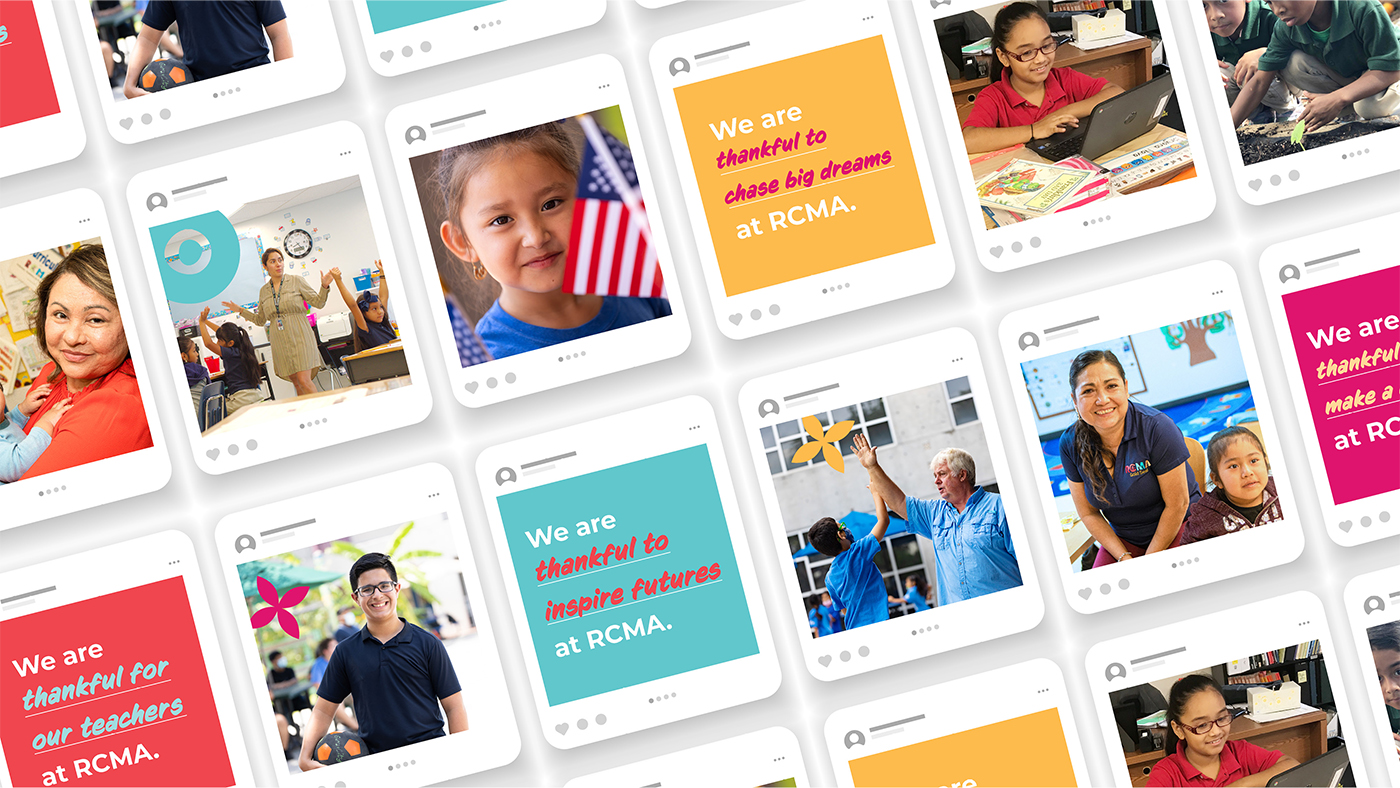
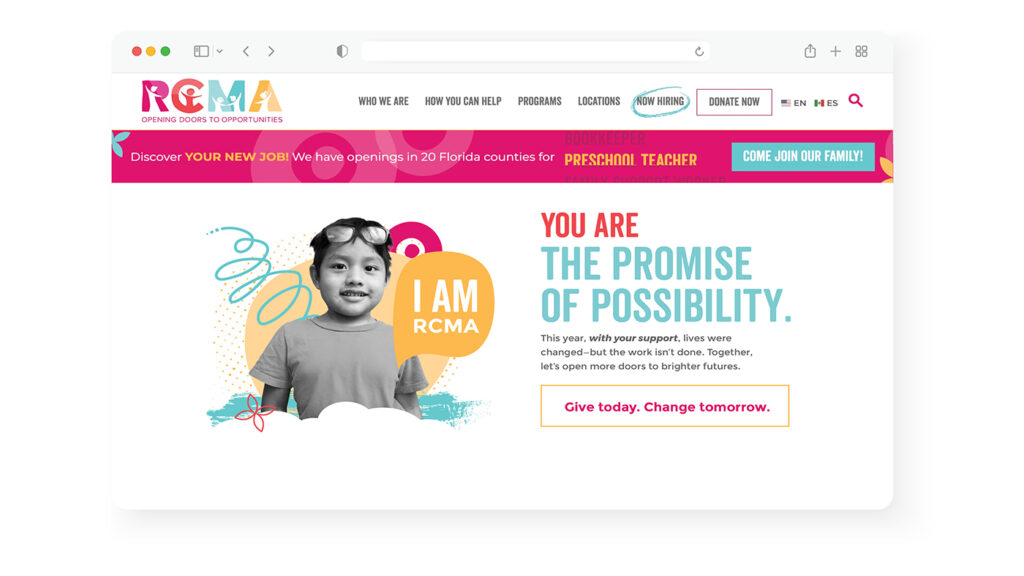
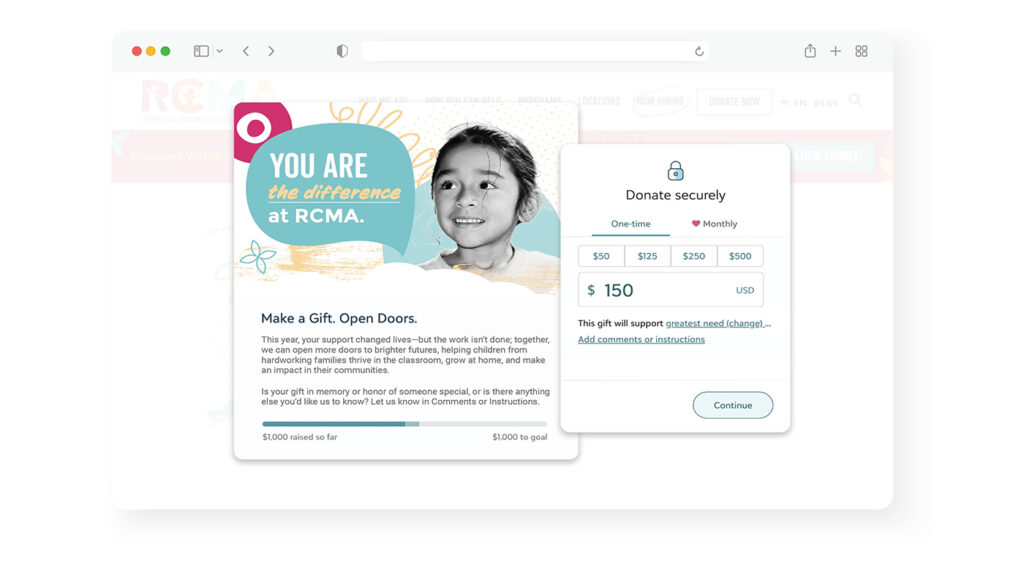
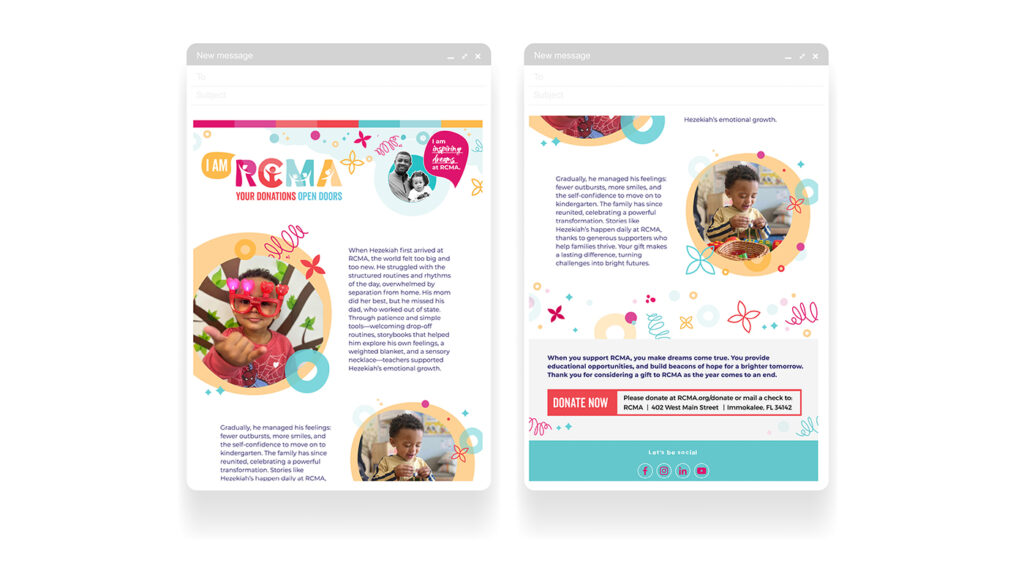
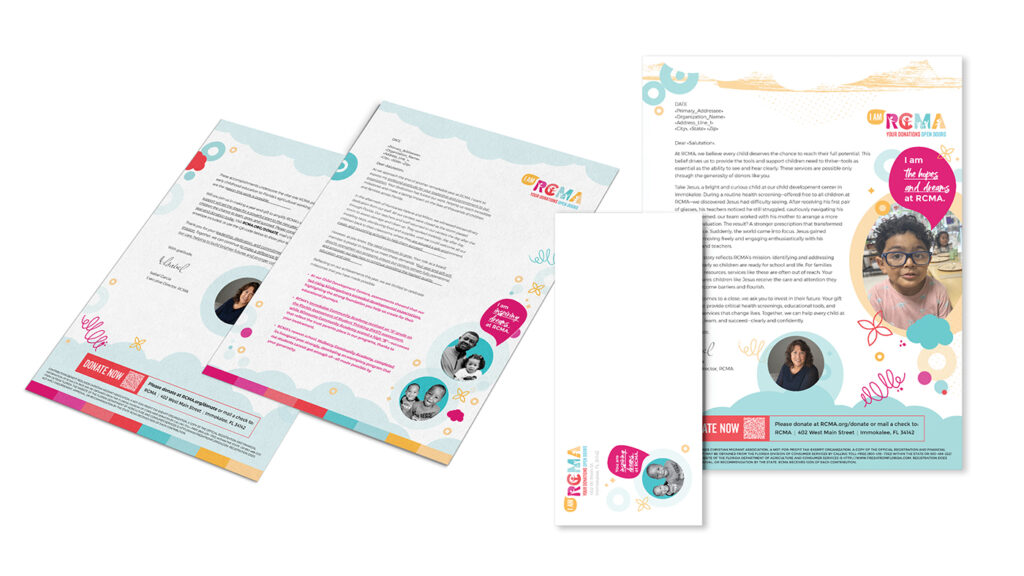
    For the second year in a row, Go Do Good has been recognized at the Tampa Bay American Advertising Awards (ADDYs)—this time for our work on the I AM RCMA campaign. This honor goes beyond an award; it serves as a powerful reminder of how storytelling can drive meaningful, lasting change. The I AM RCMA campaign elevated voices, connected communities, and highlighted the incredible strength behind RCMA’s students, families, and staff.

    2025 Tampa Bay Silver ADDY

    The Honor of a Silver ADDY

    The American Advertising Federation’s ADDY is awarded to work that reflects exceptional creativity and a commitment to socially impactful advertising. Each year, a panel of industry experts evaluates campaigns based on creativity, brand storytelling, audience engagement, and their positive contribution to the community. Earning the Silver Award is a recognition of both innovation and responsibility—defining traits of Go Do Good’s approach to mission-focused marketing. 

    A Campaign Rooted in Connection and Empowerment

    RCMA, a Florida-based nonprofit dedicated to supporting underserved rural communities, needed a campaign that would not only strengthen its brand awareness but also foster deeper engagement among staff, students, and families. The I AM RCMA campaign delivered on both fronts, creating a powerful platform for individuals to see themselves as part of the organization’s mission.

    By centering the campaign around the messages “I am RCMA,” “You are RCMA,” and “We are RCMA,” our team sparked a movement of belonging and pride. Visually, we integrated celebratory graphics and interactive storytelling elements that allowed participants to share their own experiences, strengthening RCMA’s identity from the inside out.

    This inclusive, community-driven approach resonated deeply, reinforcing RCMA’s mission-driven culture and solidifying its role as a trusted resource for education and support.

    A Legacy of Purpose-Led Creativity

    This ADDY recognition is an honor and a testament to the meaningful change our work creates. From raising brand engagement to giving a voice to the people at the heart of RCMA’s mission, this campaign is proof that thoughtful, strategic storytelling can move the needle for organizations that make a difference.

    This isn’t our first time being recognized for purpose-led creativity—last year, we received the 2024 Mosaic ADDY Award and Silver Award for our work championing diversity and inclusion. As we continue to collaborate with impact-driven organizations, we remain committed to creating work that doesn’t just look good—it does good.

    Let’s Create Something Meaningful Together

    If you’re looking for strategic, purpose-driven marketing that amplifies your mission and drives engagement, we’d love to connect. Let’s talk about how Go Do Good can bring your next big idea to life. 

  • Maximizing Efficiency: 6 Tactics for Non-Profits to Do More with Less

    Maximizing Efficiency: 6 Tactics for Non-Profits to Do More with Less

    If your non-profit organization is constantly trying to find ways to make a meaningful impact with fewer resources, this guide is for you! We have compiled 6 of our most successful tactics and some resources associated with each to better enable your organization to do more with less! We find that these tactics work with all types of nonprofit organizations.  

    1. Leverage Volunteer Talent

    To effectively do more with less, your non-profit organization is going to need to harness the power of skilled volunteers. This allows your organization to extend your workforce without adding personnel costs to your budget. Your organization can utilize platforms such as VolunteerMatch and LinkedIn Volunteer marketplace to connect with eager professionals. These professionals are often looking to lend their expertise in areas of marketing, web development, event planning, and consulting. 

    2. Utilize Free and Low-Cost Tools

    Be strategic with the tools that your organization is choosing to pay for! There are tons of free versions and free trials that offer an abundance of valuable tools that help streamline operations. Tools range from social media management software like Hootsuite and graphic design software such as Canva. There are also free licenses for project management software such as Trello, Monday, and Asana. This software helps to effectively manage your team’s resources and priorities. Research other tools that offer discounted or free licenses to organizations based on their non-profit status. 

    3. Focus on Digital Fundraising Strategies

    Digital fundraising platforms are another tactic for maximizing the efficiency of your non-profit organization, allowing it to do more with less. Platforms such as GoFundMe Charity and Classy offer low-cost solutions for reaching and engaging with potential donors. Social media campaigns should also be an emphasis of your organization along with email marketing and crowdfunding. All of these activities continue to enable your organization reach to engage with a broader audience. SEO strategies can also be used to focus on online fundraising ideas and digital donation platforms to drive traffic to your marketing campaigns. 

    4. Optimize for Search Engines

    Do not shy away from SEO because of sticker shock! Capable marketing team members can learn enough from free resources from SEMRush and Moz education to help kickstart lower-level SEO priorities. Starting somewhere is better than ignoring the need for an SEO-optimized digital presence! Implement content related to highly searched keywords that are relevant to your organization and its offer and mission. Driving SEO will make your non-profit more visible to potential donors, volunteers, and beneficiaries. 

    5. Implement Strategic Content Marketing

    Non-profits that want to maximize efficiency should have a well-planned and documented content marketing strategy. This tactic really can be a game changer and ignite impact. Create a system for distributing value content that drives actional support for your organization’s cause. Focus on stories of impact, and educational content that highlights your mission. YouTube can be utilized for sharing video content in an organized, meaningful, and valuable way. This approach will build your online presence while establishing your organization as a thought leader in your sector. This tactic is sure to attract more supporters with minimal expenditure. 

    6. Streamline Operations with Automation

    Utilize automation technology to limit manual involvement in repetitive tasks. This will help save time and reduce the workload of your staff. There are automation tools for email marketing, social media marketing, and donor management systems. Automation helps to effectively execute communications, social postings, and admin tasks, freeing up valuable time for your team to prioritize strategic focuses. Automation tools often have special pricing and features for nonprofits. Look into HubSpot, SalesForce, and Monday for more information on how automation can enable your team to do more with less. 

  • 11 Proven Ways To Transform Your Marketing Approach In 90 Days

    11 Proven Ways To Transform Your Marketing Approach In 90 Days

    Tired of marketing efforts that aren’t equating to the impact, growth, or recognition that your organization is after? Has your team been after a solution that can provide tangible results quickly? We thought so! At Sulzer, we are constantly trying to improve the journeys of all in any way that we can. To do this, we put together a comprehensive list of marketing strategies that are designed to significantly transform your organization’s marketing approach in 90 days. 

    1. Conduct a Comprehensive Market Analysis (Weeks 1-2)

    For the first two weeks, you are going to be conducting and comprehensive market analysis. This starts by deeply understanding your market, the competitors in the space, and the audience that you serve. Tools such as Google Analytics, Moz, and Social Media Insights should be used to identify industry trends, your audience’s needs, and the gaps that your organization can fill. Tasks team members to understand the market analysis and competitor research that is compiled. You will also want to document the audience insights that are uncovered.

    2. Refine Your Brand Messaging (Weeks 3-4) 

    For weeks 3 and 4, you are going to take all of your discovery due diligence revisit your brand’s core message, and refine if needed. Your organization needs to ensure your messaging resonates with the target audience that has a gap or needs to be filled. Areas of your messaging to consider refining are the tone, voice, and brand positioning of the organization. These messaging foundations then translate to your content strategy and digital presence. Other elements of your organization’s messaging to consider aligning would be the mission and vision statements of the organization. 

    3. Optimize Your Digital Presence (Weeks 5-6)

    During month two, your first two weeks will be spent enhancing your website and social media profiles. “Enhancing” just entails content optimization, messaging procurement, and SEO efforts. Maybe “just” isn’t appropriate, because it can be a lot to chew! If your team does not have much experience in these areas free resources such as Youtube, ChatGPT, and marketing agency case studies should be great places to get you going. But of course, we are more than happy to help your organization with implementation. You are essentially paving the way to a more visible digital identity, which is essential to grow and transform your marketing approach and attain that desired state of the organization!

    4. Leverage Social Media for Community Building (Weeks 5-9)

    Now is when your organization really should be delegating these priorities. We are going to begin running multiple efforts in consecutive weeks. Buckle up! Prepare for your upcoming content marketing strategy in step 5 by amplifying your activity and presence on social media. You want to begin participating in dialogue in areas where your audience congregates and is most active. This could be groups, communities, fan pages, etc. Another place where you can go and engage is on Reddit. It may seem unorthodox, but Reddit is up there with Google in terms of where consumers go looking for answers to their questions and problems. 

    5. Engage with Content Marketing (Weeks 7-8)

    For the last two weeks of month 2, your organization is going to begin developing a content marketing campaign. This campaign should effectively educate, inform, and entertain your audience. Don’t be boring! Everyone is boring. Make people smile, double back, and look for more of your content. When consumers are looking for your next content piece simply because they get some enjoyment out of it, you are IN THE GREEN!! Utilize blogs, videos, and infographics that are tailored to your audience’s interests and needs. 

    6. Implement Email Marketing Campaigns (Weeks 9-10)

    The most profitable channel of marketing is e-mail. There is no comparison. SEO comes close, but can also present sticker shock is most cases. The ROI of email marketing can be 40x. No that is not a typo. See what other marketing professionals say! We are sure of this. You should be developing persona-segmented email marketing campaigns that nurture your audience. Email can also be widely effective at directing digital traffic and announcing products or services. By keeping your audience engaged by email, you can enhance the visibility of your organization’s value. Email marketing also opens another door to data analysis through email analytics. This valuable information can tell you what your audience enjoys engaging with, what drives action, and what wastes your precious marketing budget and time. 

    7. Utilize Paid Advertising Wisely (Weeks 10-11)

    Email marketing also gives you full control over your outreach. You do not want to exclusively rely on ad providers such as Google, Meta, or Linkedin. The requirements for these platforms change and what worked once may no longer prove effective. However, you must deploy some financial resources into targeted paid advertising campaigns. You are after a blend of effective inbound marketing channels that each perform well. Relying exclusively on email, ads, or social engagement is going to leave your organization short of its goals. To ensure this does not happen you must deploy an equal amount of focus on each channel and later refine to what works best. To limit costs in your ad campaigns, you will later be able to retarget your audience through lookalike campaigns, limiting the potential audience that ad providers see the need to place your offer in front of. 

    8. Foster Partnerships and Collaborations (Weeks 11-12)

    Now that we are at the tail end of our 90 days, let’s wrap things up on a strong note. You will now want to approach other organizations, influencers, and brands that align with your organization’s mission. This is an effective way to limit the costs of growth and expand your reach. Co-marketing is extremely powerful! Find an organization in your industry that offers similar services that still show gaps your organization can fill. The cost to place your organization in front of these audiences is far higher than the costs that co-marketing will incur. 

    9. Analyze and Adjust Based on Data (Ongoing)

    Of course, we weren’t going to end at 12 weeks! Marketing requires constant effort. Although this 90-day push is a supercharged approach to transforming your organization’s efforts, you are still going to be left with some ongoing homework, such as constantly reviewing marketing performance. What does the data reveal? Your organization must understand what is working and what isn’t and refine strategy based on that. Your organization may even find that some of these strategies don’t work and that is fine! Go with the ones that work well for your organization, 

    10. Encourage Customer Feedback and Testimonials (Ongoing)

    Another ongoing task is to actively seek out customer feedback and showcase customer testimonials. Social proof significantly enhances brand trust and credibility with potential customers. Providing this information effectively lowers the barriers to purchasing for consumers. We want to position your organization’s offer as the obvious best choice.

    11. Innovate and Experiment (Ongoing)

    Finally… you are going to need to be open to experimenting with new marketing tactics. Innovation can differentiate your brand and keep your organization’s efforts ahead of the curve. If you find that some of these steps don’t work to transform your marketing approach, find new steps and see if those resonate more with your audience. We are always open to providing a free no-obligation 30-minute consultation to help identify some strategies that will work for your organization. 

    That’s it! Once these 90 days have passed you will see a transformation in your organization’s marketing approach. This should allow your organization to enjoy increased engagement, higher conversion, and a stronger impact. Executing on these steps is not enough, you must also commit to consistent adaptation based on performance data and feedback. 

  • Navigating Marketing Challenges: 8 Strategies for VPs in Fast-Paced Marketing Environments

    Navigating Marketing Challenges: 8 Strategies for VPs in Fast-Paced Marketing Environments

    The landscape of marketing is fast-evolving and comes with unique challenges across industries. There are efforts to balance innovation with tried and true strategies, and efforts to adapt to the rapidly changing landscape, all while demonstrating a leadership strategy that drives growth. Easy enough? Wrong! It is tough. That is why we developed this guide that delves into 8 essential strategies for VPs who are not only looking to navigate but THRIVE in the fast-paced environment that is Marketing.

    1. Embrace Data-Driven Decision Making

    You should never think of Data Analytics as a marketing buzzword. Analytics are the bedrock of modern marketing. As a VP you should embrace this strategy to inform all of your marketing decisions. This covers things from campaign strategies to your customer engagement tactics. Understanding how to use tools such as Google Analytics, Google Tag Manager, and Customer Relationship Management tools (CRMs) is imperative to effectively leveraging your marketing efforts. Without analytics, it would be very difficult to fine-tune strategies to find efforts that work. 

    2. Prioritize Customer Experience (CX)

    You should be thinking about the customer first. Especially if your offering includes product tools that users will find themselves using often. Having a customer experience that is seamless, low-stress, and easily manageable is paramount. Utilize efforts such as personalized learning experiences, seamless digital interfaces, and engaging content strategies through omnichannel communications. Don’t know what these things are? That’s okay! Most people don’t. But it is great that you are taking the initiative to review resources such as this blog. This is how VPs and other marketing leaders can curate their knowledge and lead their teams towards success effectively. 

    3. Adopt Agile Marketing Methodologies

    Adopting agile marketing methodologies is a transformative approach to enhancing the adaptability and responsiveness of your organization’s marketing efforts. Agile marketing is based on the principles of agile development. This approach emphasizes customer feedback, flexibility, and the continuous improvement of your marketing campaigns. This will allow your team to respond quickly to market shifts and trends plus consumer behavior. Be sure that you are fostering a culture of cross-functional teamwork where campaigns are informed by diverse perspectives. Cross-functional teamwork is proven to enhance creativity and effectiveness. The customer-centric approach of focusing on customer feedback allows your marketing team to create more targeted and relevant campaigns that meet the preferences of your organization’s audience. 

    4. Foster Innovation and Creativity

    This is a professional way of saying boring inspires boring! Be the energetic, excited marketing VP, or leader that your team needs! Go to bat for your team members and they will be inspired to do the same. Empower your team to develop new ideas, research, and innovate! This is imperative to stay ahead of your competition. You must remain open to unconventional ideas that can uncover potential growth avenues. Encourage your team to engage in content marketing that makes them more educated in their role and industry.

    5. Invest in Professional Development

    One of the biggest investments you can make as a marketing leader is in your team! Finding talent that is worth retaining takes work. Plain and simple. When you have found your team you must actively invest in their growth. This improves your team’s capabilities and encourages long-term employee retention. People enjoy working for an organization and a leader that treats them advantageously, or even fairly for that matter! Encourage your team to attend marketing conferences and webinars. Provide marketing courses at no cost to your team members. It should be apparent that you care about your team’s growth. Don’t leave them to wonder or even worse question if this is a priority of yours as a leader and of the organization. 

    6. Leverage Strategic Partnerships

    If you aren’t leveraging strategic partnerships, you are leaving growth on the table. Why would you do that? Are you satisfied with where your organization is now? Well, the reality is nobody is ever truly satisfied with where their organization is. The organization could do more, be bigger, make more money, grow quicker, reach more students, impact more people and the list goes on and on. So, to get your organization to its desired place of continuous and sustainable growth, leverage strategic partnerships! Reach out to other institutions, companies, and influencers that can amplify your marketing reach. These collaborations are innovative and result in campaigns that have expanded audience reach. You are also sure to increase your brand credibility.

    7. Enhance Digital and Social Media Presence

    Social Media Marketing is such an important piece of the marketing pie! If you are a marketing leader whose organization is not active on social media, you are again leaving growth on the table. Optimizing your online presence has so many factors. Social media activity goes hand in hand with SEO, content marketing, responsive design, and user experiences. 

    8. Prioritize Sustainability and Social Responsibility

    Last, but certainly not least, you need to have a facet of social responsibility and sustainability around your organization. Corporate social responsibility is a do-or-die scenario. Without adequate CSR efforts, you will fail to differentiate your brand as an outlier that appeals to environmentally and socially conscious consumers. This is, however, not a narrow niche. Most people these days would say they would prioritize working with organizations that take care of the environment rather than destroy it. 

    Hopefully, this helps in building a roadmap of marketing strategies that allow you and your organization to navigate challenges and capitalize on opportunities. With these strategies in place, you are well on your way to driving significant growth for your organization and solidifying your leadership within it.

  • Staying “Trendy” while marketing the goods! Why advertising is growth & revenue focused

    Staying “Trendy” while marketing the goods! Why advertising is growth & revenue focused

    In today’s marketing world, prospecting clients are looking for an agency that can provide them with growth and revenue. Which is what everyone is looking for, right? To find an agency that can speak the language of their brand. For an agency to stand out amongst the crowd, prospectors are looking for marketing tactics that will transfer to growth and revenue. Because at the end of the day, it’s about selling more to the consumers, and growing your company.

    As we take a look back at technology and digital marketing, there has been an extremely large growth in the transitioning of these changes. Did you know that the most popular devices used to browse the web are mobile phones?

    “More Google searches take place on mobile devices than on computers in 10 countries including the U.S. and Japan” (Google, 2015).

    So, what do we do with this information? And how do we drive leads that transition into revenue for the client? I’ll tell you how, by providing the prospecting client with revenue-focused marketing. Revenue-focused marketing takes all of the marketing strategies of the business into consideration. It is data-driven that focuses on marketing analytics and reports that assist the agency in campaigns that drive revenue, ie. social media and digital ads. Some strategies may require revisions and constant supervision in order to adjust and compete with the leaders in the industry. But hey, it’s been proven to drive leads, and this is what we want!

    Improving your companies SEO and increasing the amount of traffic to the website via organic searches, has proven to also be effective when constructing your website to be appealing to search engines. Search engine algorithms are constantly changing, and the agency you chose should be an expert in the SEO tactics that will speak to marketing your brand.

    “Google gets over 100 billion searches a month” (Mashable, 2015).

    Although these revenue-focused marketing tactics are proven to be effective in growth and revenue, agencies are expected to be creative and inventive in marketing the brand. We can’t forget about those tactics! The quality of work the agency provides, understanding the businesses culture, and sticking to the budget are not to be forgotten. So, when you’re ready to find that perfect agency, do your research, and find the agency that’s right for you!

    ,
  • The 7 Truths About Marketing and How To Scale Your Organization & Impact

    The 7 Truths About Marketing and How To Scale Your Organization & Impact

    With an ever-changing marketing landscape, it is difficult for organizations to understand where they should be placing their marketing focus. Organizations are putting increasingly more emphasis on marketing efforts and their impact on sales and the overall organization. However, the need for continued marketing success with increasingly fast landscape development can prove challenging or in some cases impossible. That is why we partnered with some similarly positioned marketing agencies to compile these 7 truths for you to keep and apply in your organization today!

    1. Content is King, But Engagement is Queen

    As you digest this high-quality content, it is probably easy to believe that valuable content drives visibility. However, the main objective of offering high-value content is engagement. Engagement is what turns viewers into advocates and participants. Your organization needs to be creating informative, valuable, and compelling content tailored to the interests and needs of your audience. Ensure your organization has resources and a blog section where users can digest content at will. These pieces of content also give your organization more opportunity to optimize your digital real estate for search engines. Once you have launched your strategy, your team capacity should be able to support consistent engagement with your audience through comments on social media and personalized emails. 

    2. Data-Driven Decisions Lead to Growth

    We are more confident than ever that data-driven decision-making in marketing is that ticket to organizational growth. Your organization must be using tools like Google Analytics, Google Tag Manager, and Moz to understand audience behavior. These tools are also used to understand and evaluate campaign performance as well as identify SEO opportunities and improvements across your organization’s digital presence. With these insights, question the effectiveness of your organization’s marketing efforts. Refine your strategies based on what you uncover and continue refining until you are focused on what works best for engaging with your audience and the results prove it. 

    3. Personalization at Scale is Achievable

    Managing engagement in a more personalized approach is the most effective method. However, most will tell you that it is tough to scale with personalization. Technology has proven this to be inaccurate. Organizations that think this way are not using a Customer Relationship Management (CRM) solution. CRMs like SalesForce and HubSpot help to segment your organization’s audiences and tailor your communications based on behavioral and preferential analysis. These are some of the most important interactions between your organization’s brand and audience.

    4. SEO is Your Long-Term Ally

    If you want to ensure long-term success for your organization you MUST have a clearly defined and funded SEO strategy. SEO and email marketing remain the top-performing marketing channels when measured by ROI. Hire a team member or agency that has SEO skill sets and experience to ensure that your website infrastructure and content is optimized for SEO. Your organization will also benefit from SEO copywriting resources for organizational content writing. With more optimized SEO content that is shared frequently, your organization will improve its search engine rankings. This will begin to attract more consistent organic traffic. SEO packages and costs vary depending on the depth of your efforts and usually the size of your organization’s website. Conduct due diligence on providers and the services they are including. Short-term SEO fixes and audits can be completed by freelancers but we recommend an agency for a longer-term strategy.

    5. Social Media Multiplies Your Reach

    Social media platforms are invaluable to organizations. These platforms in our digital age have created more avenues for expanding the reach and impact of an organization. Your organization must have an active value-based approach to social media networks such as LinkedIn, Facebook, and X. These platforms provide channels to engage with audiences, share valuable content, and funnel interested parties through to your services or product offerings. Social media networks also provide analytics for performance which should be used to fine-tune strategy.

    6. Collaborations and Partnerships Drive Innovation

    Partnerships with other organizations and thought leaders introduce your brand to a new audience. These partnerships are often thought to also drive fresh perspectives into your marketing efforts. These types of partnerships can look and take various forms such as co-hosted webinars, joint-giving campaigns, partnered matching campaigns, and more. Consider organizations on a local and regional basis first and then expand beyond. There is a benefit to having team members who are assigned these tasks as part of their job function. 

    7. Adaptability is Key to Sustainability

    As mentioned before, the marketing landscape is constantly changing and evolving. This means that your marketing strategies need to be as well. Interact with thought leaders and retain knowledge for your teams which allows everyone to stay informed on trends, technologies, and best practices. When your organization finds itself struggling in its approach, consider why there are challenges and pivot as needed. 

Work with Us