• Mastering New Marketing Technologies: A 9-Part Guide for Non-Profit Leaders

    Mastering New Marketing Technologies: A 9-Part Guide for Non-Profit Leaders

    Understanding how Marketing and Technology come together to create opportunity in the non-profit industry can be a challenge. Since we are all operating in an ever-evolving landscape, there is an increasingly recognized need for embracing new technologies that drive non-profit missions forward. To help non-profit organizations distill the available technology, we created this 9-step guide. 

    1. Content Management Systems (CMS)

    A foundational element of digital marketing is a strong online presence. Utilizing a robust CMS through platforms such as WordPress, Drupal, or Oxygen Builder offers friend user interfaces and extensive customization options. Each of these also allows for tons of plug-ins to enhance the functionality of your non-profit organization’s website. Another important aspect here is that managing your web content will become much more effective and efficient. 

    2. Customer Relationship Management (CRM) Tools

    At Sulzer, we are constantly screaming about the importance of effective CRM utilization. If your organization doesn’t have one, get one. If you do have one, make sure it is optimized for success. Software such as Salesforce NonProfit Cloud and Blackbaud can revolutionize how organizations manage donor relationships. Each of these tools allows for personalized communications, engagement tracking, and analysis into giving patterns. Each of these enables more targeted campaigns and fosters long-term supporter relationships. 

    3. Email Marketing Platforms

    Another piece of the mar-tech stack that we are constantly raving about at Sulzer is email marketing platforms. Platforms like Active Campaign and MailChimp allow nonprofits to create, deliver, and evaluate email campaigns with a few clicks. There are also segmentation features within each of these tools as well as automation capabilities. The design of these tools are built around a system that enables nonprofits to effectively communicate with their audience and drive engagement. 

    4. Social Media Management (SMM) Tools

    To manage the all-important efforts of social media, you can use social media management tools such as Hootsuite. This kind of tool is important for maintaining an active and engaging presence on social media platforms. These tools can also lighten the load on your organization’s marketing team by allowing posts to be scheduled in advance. Hootsuite also alerts users to mentions and comments to ensure quick responses and engagement with your organization’s audience. SMM tools are another avenue for the analytics of your audience. Hootsuite will allow you to track engagement and create data graphics to illustrate trends. 

    5. Analytics and Data Visualization

    We will scream about analytics until we are blue in the face! I mean it. Active process improvement is a bedrock for success in any industry, but especially in the non-profit sector where budgets are always tight. Google Analytics is a must-use marketing technology. Without it, your organization is operating blind when it comes to digital engagement on your website. With Google Analytics, we can understand web traffic, user behavior, and the bottom-line effectiveness of a marketing campaign. This data, similar to SMM tools, can be driven further with data visualization tools such as Tableau. This can help your non-profit organization transform data sets into understandable and actionable insights.

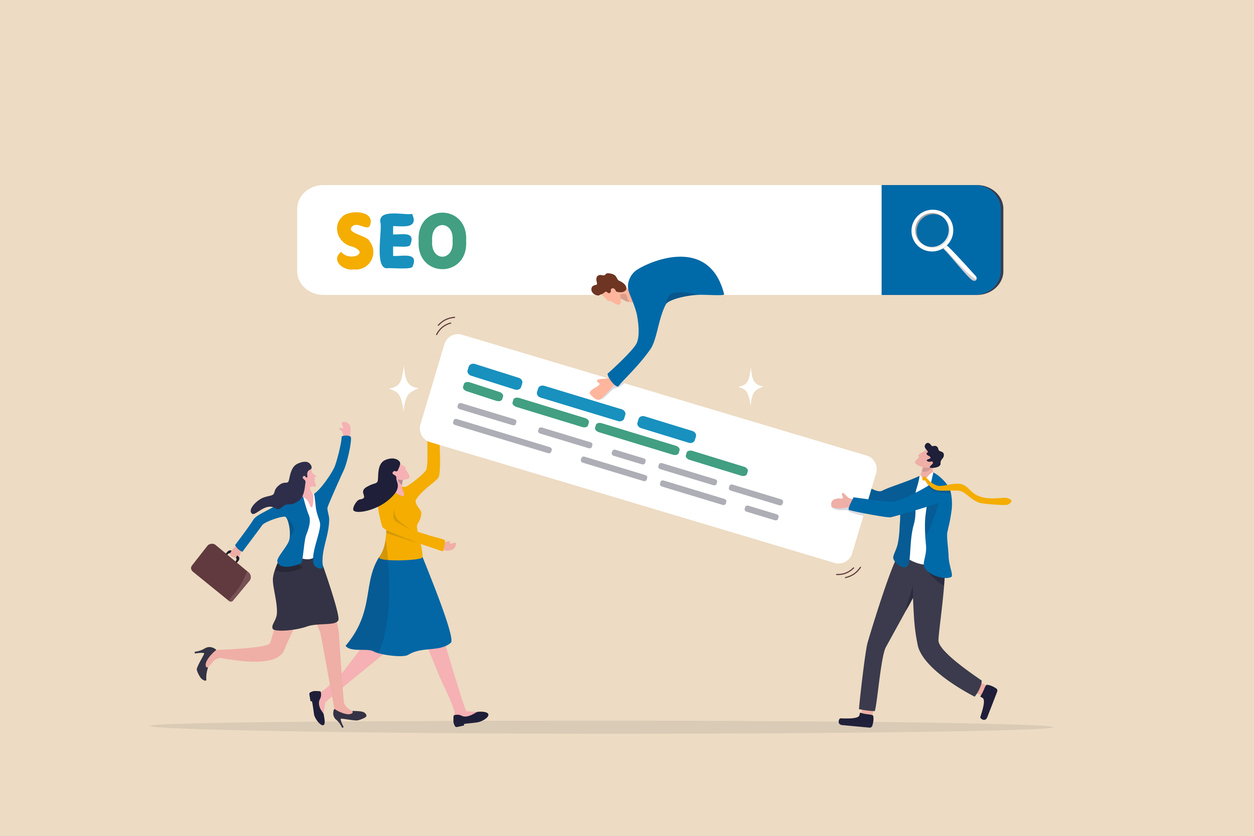
    6. Search Engine Optimization (SEO) Tools

    Utilizing software such as Moz or Google Trends gives non-profits the ability to analyze the search performance of their website. These tools allow non-profits insights into the keyword opportunities that exist for the audience. Another great tool that can be used to learn more about the issues your audiences is facing and the questions they have is AnswerThePublic.com

    7. Digital Advertising Platforms

    Non-profits often shy away from the cost related to paid advertising and media buying. We have always understood the restrictions that non-profits face with budgets but we are always trying to educate on the importance of a paid media strategy and how it helps make up your marketing approach. Paid ads offer a direct funnel of traffic to your organization’s mission, offer, and identity when done correctly. Google Ad Grants also offer non-profit organizations a maximum of $10,000.00 per month in grant money for non-profits. However, we have found that these grant dollars are often more effective when coupled with a paid budget as well. 

    8. Video Marketing Software

    Video marketing is an increasingly important tool for resonating with donors and increasing engagement. Video content is still king and has no signs of slowing down. Tools like Vimeo and Adobe Premier Rush offer the capability to create, edit, and share high-quality videos. These videos are often the most effective creative medium for sharing an organization’s message in a powerful and emotional way

    9. Mobile Marketing Solutions

    To wrap things up, we often push for non-profit organizations to embrace mobile marketing solutions. These can look like text-to-give services and a mobile-optimized website. It is essential to understand how your audience consumes content and information and there is a good chance they are doing this through their mobile devices, Embracing mobile marketing solutions can significantly enhance your audience’s user experience and boost engagement and support. 

    Mastering these new technologies isn’t about keeping up, it is about getting ahead! These tools are available and are increasingly proficient every day. They allow for ease of engagement with your organization’s audience which helps achieve organizational goals. The technologies in this guide will enhance any non-profit organization’s marketing efforts and drive more effective positive change. 

  • 11 Proven Ways To Transform Your Marketing Approach In 90 Days

    11 Proven Ways To Transform Your Marketing Approach In 90 Days

    Tired of marketing efforts that aren’t equating to the impact, growth, or recognition that your organization is after? Has your team been after a solution that can provide tangible results quickly? We thought so! At Sulzer, we are constantly trying to improve the journeys of all in any way that we can. To do this, we put together a comprehensive list of marketing strategies that are designed to significantly transform your organization’s marketing approach in 90 days. 

    1. Conduct a Comprehensive Market Analysis (Weeks 1-2)

    For the first two weeks, you are going to be conducting and comprehensive market analysis. This starts by deeply understanding your market, the competitors in the space, and the audience that you serve. Tools such as Google Analytics, Moz, and Social Media Insights should be used to identify industry trends, your audience’s needs, and the gaps that your organization can fill. Tasks team members to understand the market analysis and competitor research that is compiled. You will also want to document the audience insights that are uncovered.

    2. Refine Your Brand Messaging (Weeks 3-4) 

    For weeks 3 and 4, you are going to take all of your discovery due diligence revisit your brand’s core message, and refine if needed. Your organization needs to ensure your messaging resonates with the target audience that has a gap or needs to be filled. Areas of your messaging to consider refining are the tone, voice, and brand positioning of the organization. These messaging foundations then translate to your content strategy and digital presence. Other elements of your organization’s messaging to consider aligning would be the mission and vision statements of the organization. 

    3. Optimize Your Digital Presence (Weeks 5-6)

    During month two, your first two weeks will be spent enhancing your website and social media profiles. “Enhancing” just entails content optimization, messaging procurement, and SEO efforts. Maybe “just” isn’t appropriate, because it can be a lot to chew! If your team does not have much experience in these areas free resources such as Youtube, ChatGPT, and marketing agency case studies should be great places to get you going. But of course, we are more than happy to help your organization with implementation. You are essentially paving the way to a more visible digital identity, which is essential to grow and transform your marketing approach and attain that desired state of the organization!

    4. Leverage Social Media for Community Building (Weeks 5-9)

    Now is when your organization really should be delegating these priorities. We are going to begin running multiple efforts in consecutive weeks. Buckle up! Prepare for your upcoming content marketing strategy in step 5 by amplifying your activity and presence on social media. You want to begin participating in dialogue in areas where your audience congregates and is most active. This could be groups, communities, fan pages, etc. Another place where you can go and engage is on Reddit. It may seem unorthodox, but Reddit is up there with Google in terms of where consumers go looking for answers to their questions and problems. 

    5. Engage with Content Marketing (Weeks 7-8)

    For the last two weeks of month 2, your organization is going to begin developing a content marketing campaign. This campaign should effectively educate, inform, and entertain your audience. Don’t be boring! Everyone is boring. Make people smile, double back, and look for more of your content. When consumers are looking for your next content piece simply because they get some enjoyment out of it, you are IN THE GREEN!! Utilize blogs, videos, and infographics that are tailored to your audience’s interests and needs. 

    6. Implement Email Marketing Campaigns (Weeks 9-10)

    The most profitable channel of marketing is e-mail. There is no comparison. SEO comes close, but can also present sticker shock is most cases. The ROI of email marketing can be 40x. No that is not a typo. See what other marketing professionals say! We are sure of this. You should be developing persona-segmented email marketing campaigns that nurture your audience. Email can also be widely effective at directing digital traffic and announcing products or services. By keeping your audience engaged by email, you can enhance the visibility of your organization’s value. Email marketing also opens another door to data analysis through email analytics. This valuable information can tell you what your audience enjoys engaging with, what drives action, and what wastes your precious marketing budget and time. 

    7. Utilize Paid Advertising Wisely (Weeks 10-11)

    Email marketing also gives you full control over your outreach. You do not want to exclusively rely on ad providers such as Google, Meta, or Linkedin. The requirements for these platforms change and what worked once may no longer prove effective. However, you must deploy some financial resources into targeted paid advertising campaigns. You are after a blend of effective inbound marketing channels that each perform well. Relying exclusively on email, ads, or social engagement is going to leave your organization short of its goals. To ensure this does not happen you must deploy an equal amount of focus on each channel and later refine to what works best. To limit costs in your ad campaigns, you will later be able to retarget your audience through lookalike campaigns, limiting the potential audience that ad providers see the need to place your offer in front of. 

    8. Foster Partnerships and Collaborations (Weeks 11-12)

    Now that we are at the tail end of our 90 days, let’s wrap things up on a strong note. You will now want to approach other organizations, influencers, and brands that align with your organization’s mission. This is an effective way to limit the costs of growth and expand your reach. Co-marketing is extremely powerful! Find an organization in your industry that offers similar services that still show gaps your organization can fill. The cost to place your organization in front of these audiences is far higher than the costs that co-marketing will incur. 

    9. Analyze and Adjust Based on Data (Ongoing)

    Of course, we weren’t going to end at 12 weeks! Marketing requires constant effort. Although this 90-day push is a supercharged approach to transforming your organization’s efforts, you are still going to be left with some ongoing homework, such as constantly reviewing marketing performance. What does the data reveal? Your organization must understand what is working and what isn’t and refine strategy based on that. Your organization may even find that some of these strategies don’t work and that is fine! Go with the ones that work well for your organization, 

    10. Encourage Customer Feedback and Testimonials (Ongoing)

    Another ongoing task is to actively seek out customer feedback and showcase customer testimonials. Social proof significantly enhances brand trust and credibility with potential customers. Providing this information effectively lowers the barriers to purchasing for consumers. We want to position your organization’s offer as the obvious best choice.

    11. Innovate and Experiment (Ongoing)

    Finally… you are going to need to be open to experimenting with new marketing tactics. Innovation can differentiate your brand and keep your organization’s efforts ahead of the curve. If you find that some of these steps don’t work to transform your marketing approach, find new steps and see if those resonate more with your audience. We are always open to providing a free no-obligation 30-minute consultation to help identify some strategies that will work for your organization. 

    That’s it! Once these 90 days have passed you will see a transformation in your organization’s marketing approach. This should allow your organization to enjoy increased engagement, higher conversion, and a stronger impact. Executing on these steps is not enough, you must also commit to consistent adaptation based on performance data and feedback. 

  • Navigating Marketing Challenges: 8 Strategies for VPs in Fast-Paced Marketing Environments

    Navigating Marketing Challenges: 8 Strategies for VPs in Fast-Paced Marketing Environments

    The landscape of marketing is fast-evolving and comes with unique challenges across industries. There are efforts to balance innovation with tried and true strategies, and efforts to adapt to the rapidly changing landscape, all while demonstrating a leadership strategy that drives growth. Easy enough? Wrong! It is tough. That is why we developed this guide that delves into 8 essential strategies for VPs who are not only looking to navigate but THRIVE in the fast-paced environment that is Marketing.

    1. Embrace Data-Driven Decision Making

    You should never think of Data Analytics as a marketing buzzword. Analytics are the bedrock of modern marketing. As a VP you should embrace this strategy to inform all of your marketing decisions. This covers things from campaign strategies to your customer engagement tactics. Understanding how to use tools such as Google Analytics, Google Tag Manager, and Customer Relationship Management tools (CRMs) is imperative to effectively leveraging your marketing efforts. Without analytics, it would be very difficult to fine-tune strategies to find efforts that work. 

    2. Prioritize Customer Experience (CX)

    You should be thinking about the customer first. Especially if your offering includes product tools that users will find themselves using often. Having a customer experience that is seamless, low-stress, and easily manageable is paramount. Utilize efforts such as personalized learning experiences, seamless digital interfaces, and engaging content strategies through omnichannel communications. Don’t know what these things are? That’s okay! Most people don’t. But it is great that you are taking the initiative to review resources such as this blog. This is how VPs and other marketing leaders can curate their knowledge and lead their teams towards success effectively. 

    3. Adopt Agile Marketing Methodologies

    Adopting agile marketing methodologies is a transformative approach to enhancing the adaptability and responsiveness of your organization’s marketing efforts. Agile marketing is based on the principles of agile development. This approach emphasizes customer feedback, flexibility, and the continuous improvement of your marketing campaigns. This will allow your team to respond quickly to market shifts and trends plus consumer behavior. Be sure that you are fostering a culture of cross-functional teamwork where campaigns are informed by diverse perspectives. Cross-functional teamwork is proven to enhance creativity and effectiveness. The customer-centric approach of focusing on customer feedback allows your marketing team to create more targeted and relevant campaigns that meet the preferences of your organization’s audience. 

    4. Foster Innovation and Creativity

    This is a professional way of saying boring inspires boring! Be the energetic, excited marketing VP, or leader that your team needs! Go to bat for your team members and they will be inspired to do the same. Empower your team to develop new ideas, research, and innovate! This is imperative to stay ahead of your competition. You must remain open to unconventional ideas that can uncover potential growth avenues. Encourage your team to engage in content marketing that makes them more educated in their role and industry.

    5. Invest in Professional Development

    One of the biggest investments you can make as a marketing leader is in your team! Finding talent that is worth retaining takes work. Plain and simple. When you have found your team you must actively invest in their growth. This improves your team’s capabilities and encourages long-term employee retention. People enjoy working for an organization and a leader that treats them advantageously, or even fairly for that matter! Encourage your team to attend marketing conferences and webinars. Provide marketing courses at no cost to your team members. It should be apparent that you care about your team’s growth. Don’t leave them to wonder or even worse question if this is a priority of yours as a leader and of the organization. 

    6. Leverage Strategic Partnerships

    If you aren’t leveraging strategic partnerships, you are leaving growth on the table. Why would you do that? Are you satisfied with where your organization is now? Well, the reality is nobody is ever truly satisfied with where their organization is. The organization could do more, be bigger, make more money, grow quicker, reach more students, impact more people and the list goes on and on. So, to get your organization to its desired place of continuous and sustainable growth, leverage strategic partnerships! Reach out to other institutions, companies, and influencers that can amplify your marketing reach. These collaborations are innovative and result in campaigns that have expanded audience reach. You are also sure to increase your brand credibility.

    7. Enhance Digital and Social Media Presence

    Social Media Marketing is such an important piece of the marketing pie! If you are a marketing leader whose organization is not active on social media, you are again leaving growth on the table. Optimizing your online presence has so many factors. Social media activity goes hand in hand with SEO, content marketing, responsive design, and user experiences. 

    8. Prioritize Sustainability and Social Responsibility

    Last, but certainly not least, you need to have a facet of social responsibility and sustainability around your organization. Corporate social responsibility is a do-or-die scenario. Without adequate CSR efforts, you will fail to differentiate your brand as an outlier that appeals to environmentally and socially conscious consumers. This is, however, not a narrow niche. Most people these days would say they would prioritize working with organizations that take care of the environment rather than destroy it. 

    Hopefully, this helps in building a roadmap of marketing strategies that allow you and your organization to navigate challenges and capitalize on opportunities. With these strategies in place, you are well on your way to driving significant growth for your organization and solidifying your leadership within it.

  • The 7 Truths About Marketing and How To Scale Your Organization & Impact

    The 7 Truths About Marketing and How To Scale Your Organization & Impact

    With an ever-changing marketing landscape, it is difficult for organizations to understand where they should be placing their marketing focus. Organizations are putting increasingly more emphasis on marketing efforts and their impact on sales and the overall organization. However, the need for continued marketing success with increasingly fast landscape development can prove challenging or in some cases impossible. That is why we partnered with some similarly positioned marketing agencies to compile these 7 truths for you to keep and apply in your organization today!

    1. Content is King, But Engagement is Queen

    As you digest this high-quality content, it is probably easy to believe that valuable content drives visibility. However, the main objective of offering high-value content is engagement. Engagement is what turns viewers into advocates and participants. Your organization needs to be creating informative, valuable, and compelling content tailored to the interests and needs of your audience. Ensure your organization has resources and a blog section where users can digest content at will. These pieces of content also give your organization more opportunity to optimize your digital real estate for search engines. Once you have launched your strategy, your team capacity should be able to support consistent engagement with your audience through comments on social media and personalized emails. 

    2. Data-Driven Decisions Lead to Growth

    We are more confident than ever that data-driven decision-making in marketing is that ticket to organizational growth. Your organization must be using tools like Google Analytics, Google Tag Manager, and Moz to understand audience behavior. These tools are also used to understand and evaluate campaign performance as well as identify SEO opportunities and improvements across your organization’s digital presence. With these insights, question the effectiveness of your organization’s marketing efforts. Refine your strategies based on what you uncover and continue refining until you are focused on what works best for engaging with your audience and the results prove it. 

    3. Personalization at Scale is Achievable

    Managing engagement in a more personalized approach is the most effective method. However, most will tell you that it is tough to scale with personalization. Technology has proven this to be inaccurate. Organizations that think this way are not using a Customer Relationship Management (CRM) solution. CRMs like SalesForce and HubSpot help to segment your organization’s audiences and tailor your communications based on behavioral and preferential analysis. These are some of the most important interactions between your organization’s brand and audience.

    4. SEO is Your Long-Term Ally

    If you want to ensure long-term success for your organization you MUST have a clearly defined and funded SEO strategy. SEO and email marketing remain the top-performing marketing channels when measured by ROI. Hire a team member or agency that has SEO skill sets and experience to ensure that your website infrastructure and content is optimized for SEO. Your organization will also benefit from SEO copywriting resources for organizational content writing. With more optimized SEO content that is shared frequently, your organization will improve its search engine rankings. This will begin to attract more consistent organic traffic. SEO packages and costs vary depending on the depth of your efforts and usually the size of your organization’s website. Conduct due diligence on providers and the services they are including. Short-term SEO fixes and audits can be completed by freelancers but we recommend an agency for a longer-term strategy.

    5. Social Media Multiplies Your Reach

    Social media platforms are invaluable to organizations. These platforms in our digital age have created more avenues for expanding the reach and impact of an organization. Your organization must have an active value-based approach to social media networks such as LinkedIn, Facebook, and X. These platforms provide channels to engage with audiences, share valuable content, and funnel interested parties through to your services or product offerings. Social media networks also provide analytics for performance which should be used to fine-tune strategy.

    6. Collaborations and Partnerships Drive Innovation

    Partnerships with other organizations and thought leaders introduce your brand to a new audience. These partnerships are often thought to also drive fresh perspectives into your marketing efforts. These types of partnerships can look and take various forms such as co-hosted webinars, joint-giving campaigns, partnered matching campaigns, and more. Consider organizations on a local and regional basis first and then expand beyond. There is a benefit to having team members who are assigned these tasks as part of their job function. 

    7. Adaptability is Key to Sustainability

    As mentioned before, the marketing landscape is constantly changing and evolving. This means that your marketing strategies need to be as well. Interact with thought leaders and retain knowledge for your teams which allows everyone to stay informed on trends, technologies, and best practices. When your organization finds itself struggling in its approach, consider why there are challenges and pivot as needed. 

Work with Us