The use of augmented reality, or AR, has surged in popularity in the last few years. Now marketers are beginning to innovate exciting ways to use AR for brand acceleration. According to e-Marketer, the average smartphone user in the US spends 190 minutes per day on their device! And 90% of that time is spent in apps! Let that sink in for a moment. Yes, go ahead and re-read it… we will wait… So, if the average smartphone owner spends that much time on their device (and the number is growing annually), how can you capture some of that attention? AR might be the option for your brand to explore.
While AR has been around for several years now, it is often confused with virtual reality. However, there are major differences between the two technologies. Augmented reality combines something virtual with the real world. Think, for example, of the well-known “rabbit ears” face-filter on Snapchat. Alternatively, virtual reality is removing the real world completely from the experience and re-creating a totally separate reality.
Before diving into committing your resources to develop AR, make sure it has a purpose. After all, you don’t want to develop AR if you don’t have a good reason to.
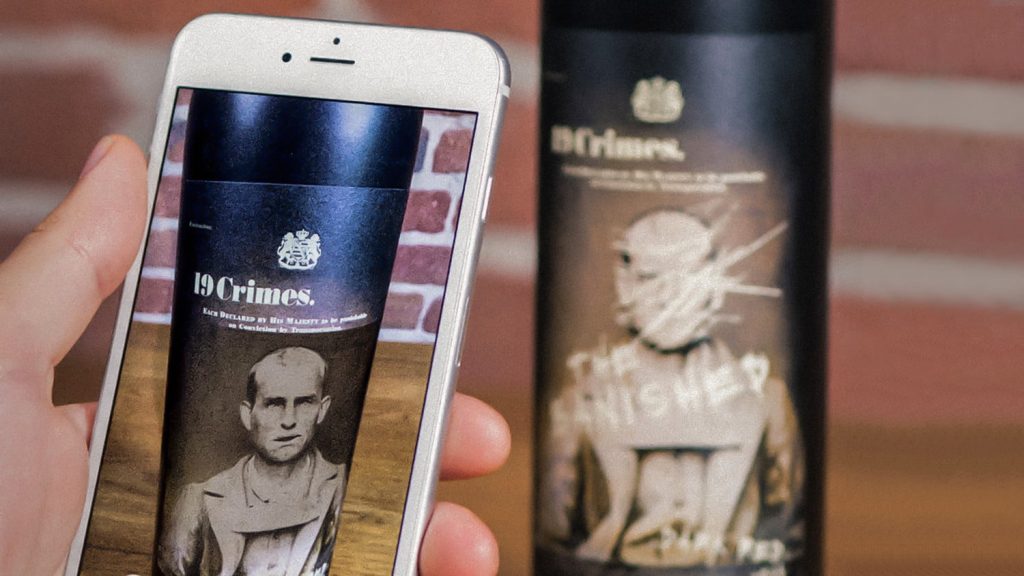
- AR as a brand differentiator Think first-mover advantage here. When 19 Crimes introduced the first wine labels with AR, their revenues increased by 70%! While the novelty may wear off, it can certainly get people talking about your brand and introduce new consumers to it.
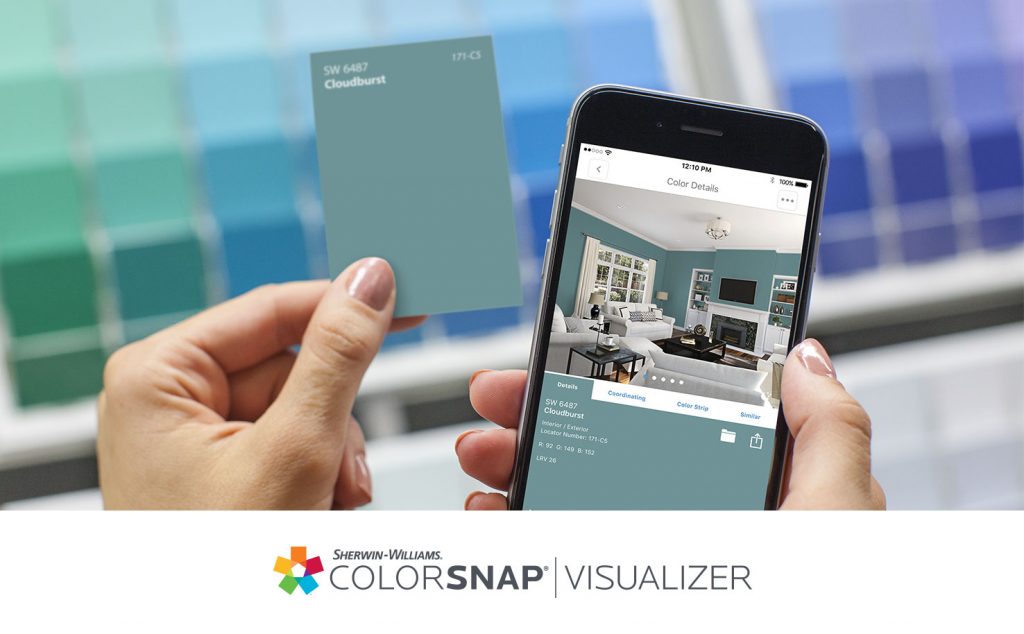
- AR to decrease friction You should be asking yourself, how can AR help inform or facilitate a better user experience (UX) for my target audience? You should be thinking about alleviating pain points in the buying cycle. This will lead to a more informed purchasing decision in less time. Sherwin Williams has done an excellent job of immersing its target audience with its ColorSnap® Visualizer by helping them see what their paint choices will look like after the project is complete.
- AR to educate Is your product or service something that needs to be explained to your target audience? If you need to educate your buyer, AR may be used to help your buyer understand more about your brand.
- AR as an experience AR can be a great way to place a product or experience into a real setting. When StubHub introduced AR in Super Bowl LII, their goal was to help attendees familiarize themselves with the stadium and the surrounding City of Minneapolis.
Our Client, Wish Farms, Augmented Reality and App
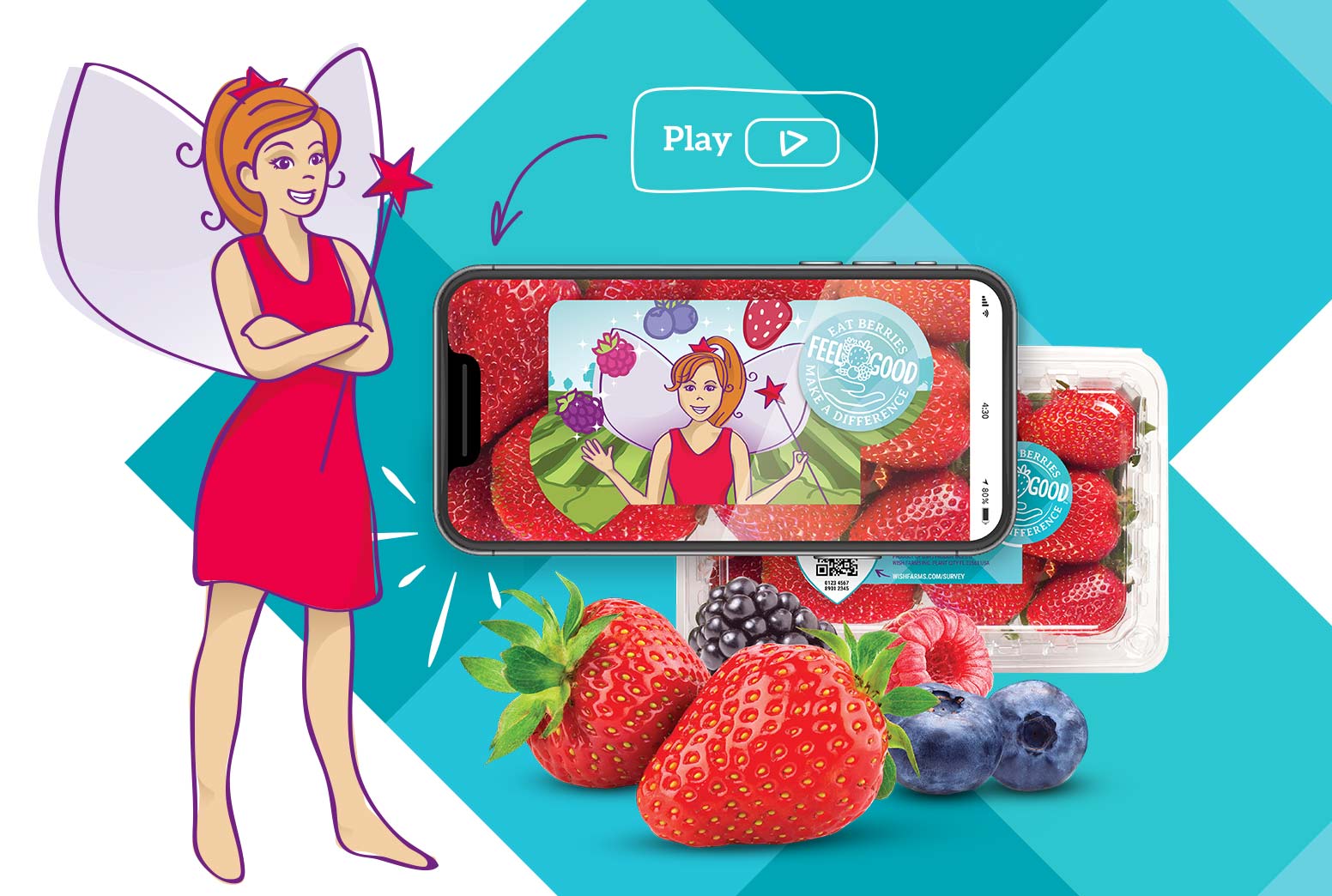
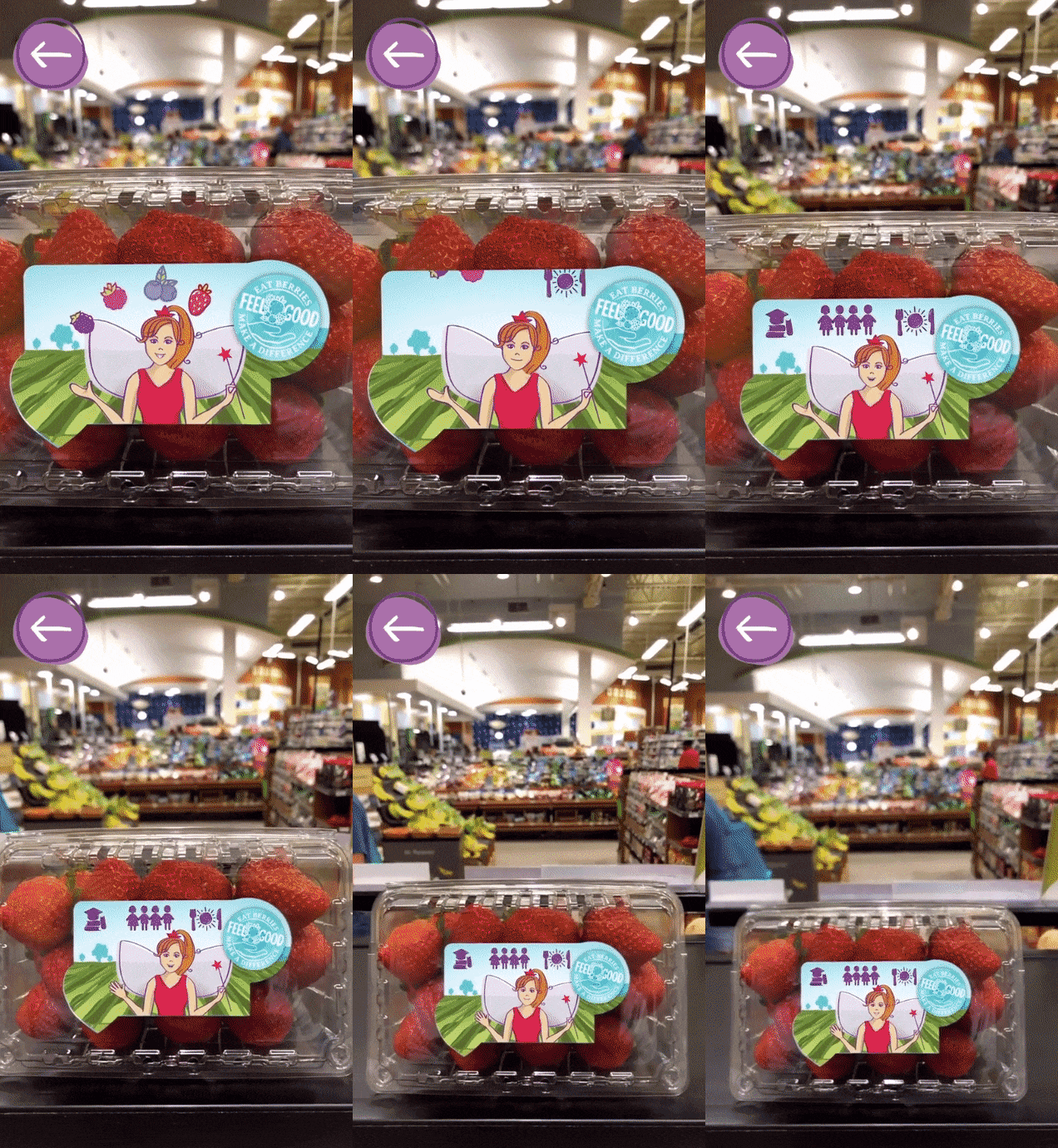
Some brands are creating unique filters to use in social media, while others are using them to segue into an app. When Sulzer brought the idea of AR to Wish Farms owner Gary Wishnatzki, he loved the possibility of bringing their “Misty the Garden Pixie” mascot to life right on the labels we were rebranding. The fact that Misty could talk to kids, parents and consumers about their delicious berries was an exciting leap forward for the industry. Coupled with an app that could be built upon incrementally, the concept was given the green light.
The initial goal of the project was to help Misty the Garden Pixie speak more directly to consumers. As part of the execution, the label was designed to easily change the type of berry highlighted as well as the season of the year. This would allow Wish Farms to develop campaigns around each of their four berry categories and their respective selling seasons.
The Wish Farms AR & app combo checks multiple boxes for how a company can use AR to accelerate their brand: differentiation by being a first mover in fresh produce, educating how they are giving back to the community, along with bringing a more inviting and personal experience to their app. Users are enticed to frequently revisit the app through a rich experience of recipes, surveys, backstories on their farmers, and even a game (trick-tac-toe – we dare you to give it a try).
When Wish Farms became the first in the berry industry to include augmented reality back in October 2019, they showcased the feature at the top produce conference in the world, astounding consumers and competitors alike with the futuristic new way of connecting with customers.
If you decide to move forward with AR for your brand make sure to set goals and targets first. Build the use case around your target market, stay focused, and good luck!